


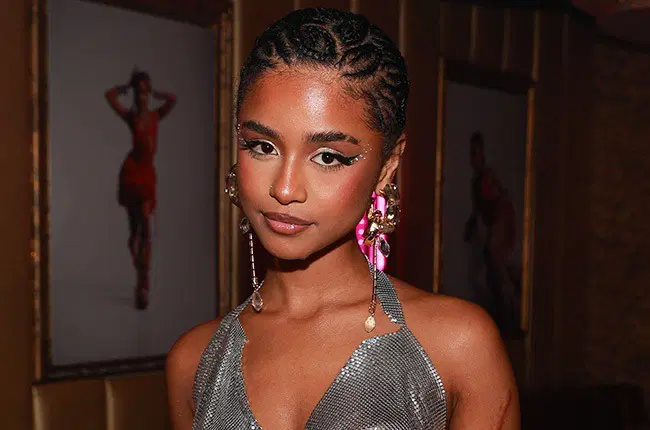
Omoyele Sowore Faces Backlash Over Defense of South African Artist Amid Xenophobia Concerns
Omoyele Sowore, a former presidential candidate from the African Action Congress (AAC), has recently drawn significant criticism from Nigerians on social media platform X for advocating against the cancellation of South African singer Tyra’s concert in Lagos. This comes in light of renewed xenophobic violence targeting Nigerians in South Africa.
In a post on his verified account, Sowore argued that instead of blaming musicians, Nigerians should focus their anger on the political leaders who have fostered environments conducive to xenophobic violence. He emphasized the need to hold accountable political leaders both in Nigeria and South Africa for their roles in this turmoil.
Nigerians should direct their anger at the real enemies: the political leaders, such as @officialABAT and the @OfficialAPCNg party, who have devastated our nation, and South African leaders like @CyrilRamaphosa, whose failures have led to these tensions. Talented artists like @Tyllaaaaaaa should not be punished for the actions of politicians.
Sowore’s remarks ignited a wave of discontent, with many users accusing him of being disconnected from the feelings of those affected by the xenophobic attacks. Critics pointed out that his stance seems to overlook the pain and suffering of Nigerian victims.
We need to move forward, but how can we do so when South Africa has failed to come to terms with the impact of their xenophobic actions? How can you support a concert under such circumstances? If this is your position, you will struggle to win any support.
Another user argued that the proposed boycott of Tyra’s concert reflects a larger protest against South African policies, rather than a personal attack on the singer herself. They maintained that this protest is rooted in the broader context of ongoing anti-Nigerian sentiment fueled by the South African government.
No one is targeting Tyra personally; we are simply expressing our discontent with South African actions that have resulted in violence against Nigerians. Her performance should not be scheduled in December given the circumstances.
The conversation has drawn attention to the sensitive issue of xenophobia in South Africa, with many emphasizing the need for solidarity among Africans. Others, like @labalingo, have cautioned against politicizing this humanitarian crisis.
This xenophobic situation should not be manipulated for political gain. Many innocent Nigerians have suffered, and any action that indirectly supports the South African economy should be reconsidered.
Nigerian sentiment appears increasingly united against the backdrop of recent attacks, with calls for a boycott of South African businesses growing louder. As discussions around the cultural ties between Nigeria and South Africa develop, the outcome remains uncertain. Many Nigerians are grappling with complex feelings about how to address the threat of xenophobia while not punishing individual artists who may not share the same views or actions as their government.
