


Tunisian Agritech Startup Robocare Secures Funding for Expansion
Tunisian agritech company Robocare has successfully secured a significant six-figure investment from venture capital firm 216 Capital. This funding aims to facilitate the company’s expansion into new markets across Africa and the Middle East while continuing the development of its AI-driven precision agriculture platform.
Innovative Agricultural Solutions from Robocare
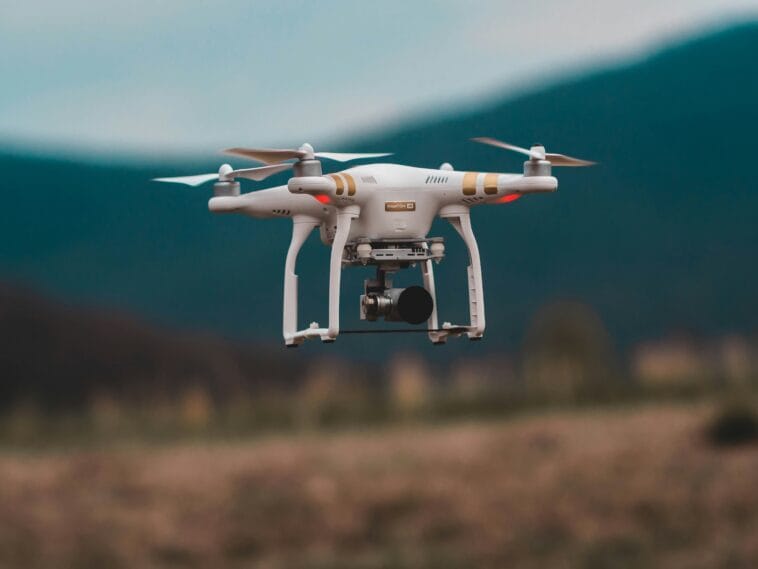
Founded in 2020 in Sfax by Imen Hibiri, Robocare has created a sophisticated platform that integrates satellite imagery, drone data, Internet of Things (IoT) sensor insights, weather analytics, and field-specific agronomic expertise. This multifaceted approach allows for the early detection of crop diseases and stress factors, optimizes resource utilization, and enhances overall farm productivity, particularly for key crops in the region.
Impact on Resource Efficiency and Yield
The company claims that its platform has achieved impressive outcomes, including water savings of up to 35%, reductions in agricultural inputs by 25%, and yield increases of up to 20%. However, it’s important to note that these figures are self-reported and have not been independently verified, and the company has not disclosed the number of farms involved or the methodologies employed.
Focus on Regional Crop Production
Robocare’s technology specifically addresses the needs of olive trees, grains, and tomatoes—all crucial to North Africa and the MENA region’s agricultural landscape. Instead of relying on a generic global agritech AI model, the company tailors its algorithms with locally sourced data, ensuring that recommendations are aligned with the unique soil, climate, and agricultural conditions of the area. This localized approach is crucial, as previous reports by iAfrica have indicated that models based on foreign datasets generally underperform when applied in African contexts.
Monitoring and Partnerships to Combat Agricultural Challenges
The platform currently oversees thousands of hectares, issuing numerous agricultural alerts that provide farmers and agribusiness operators with timely warnings about potential crop health and production issues. In addition to its monitoring capabilities, Robocare is establishing partnerships with institutional organizations and aims to strengthen its presence in international agritech networks.
Strategic Investment Focus for Future Growth
The investment from 216 Capital will target three key areas: expanding into new markets in Africa and the Middle East, bolstering the commercial team, and enhancing AI models for the agricultural sector. Hassen Alfaoui, a principal at 216 Capital, emphasized that this investment aligns with the firm’s mission to nurture high-potential technology start-ups that can address the continent’s pressing economic, social, and environmental challenges.
Addressing Climate and Economic Challenges in Agriculture
Farmers in Africa and the Middle East are increasingly facing the challenges posed by climate change, water scarcity, and rising production costs. Precision agriculture, particularly when underpinned by locally trained AI, emerges as a viable operational response. RoboCare’s initiatives complement a range of similar African agricultural AI ventures highlighted by iAfrica, such as Kenya’s Amini and South Africa’s Aerobotics, each tackling various elements of agricultural challenges in their respective contexts.
Potential for Growth in the North African Startup Ecosystem
This funding round marks a significant step forward for AI start-ups in Tunisia, a country that has already produced notable enterprises like InstaDeep, an important player in Africa’s AI landscape. The recent graduation of Tunisian robotic observability startup OORB from Propeller’s Silicon Valley Kernel Camp further underscores the region’s growing technology ecosystem. As governmental bodies begin to implement AI into national structures, including customs risk management, the success of Robocare will hinge on its ability to convert its early traction into a substantial market presence across sub-Saharan Africa and the Middle East.
