


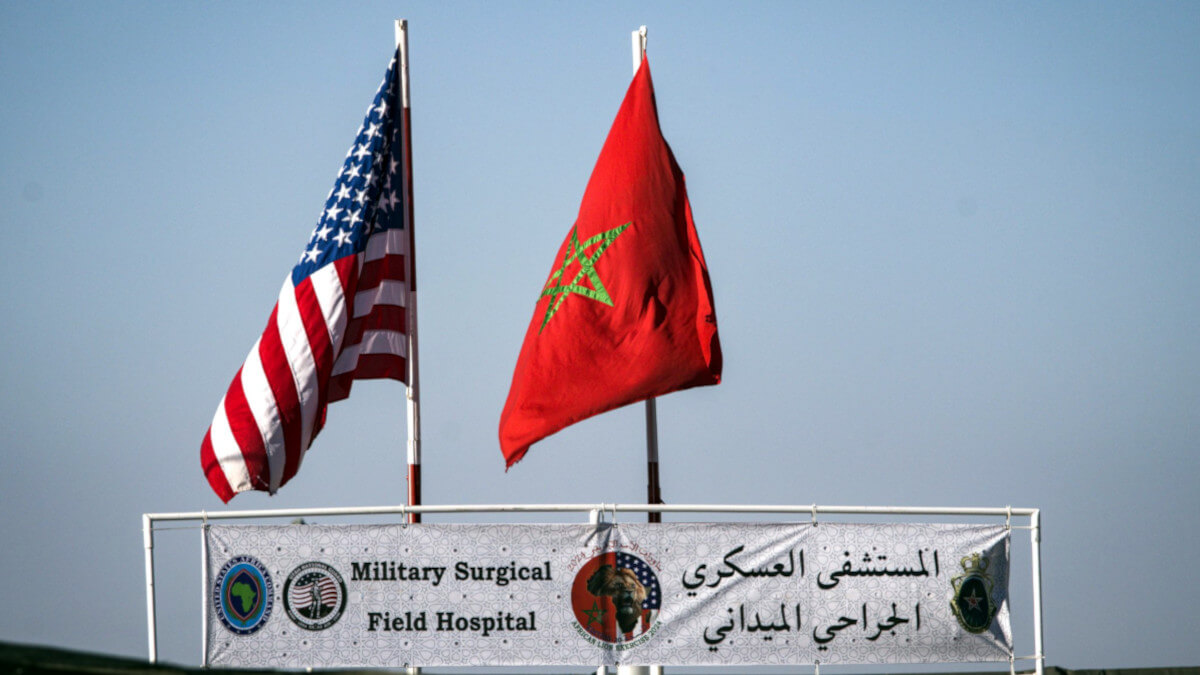
Morocco Enhances Military Modernization with US Support
Morocco is advancing its military modernization program with a $333 million contract with the United States, focusing on incorporating and maintaining cutting-edge American technology.
This North African ally benefits significantly from the Joint Helmet-Mounted Combat System (JHMCS) maintenance program. This sophisticated helmet enhances the operational capabilities of its combat pilots, demonstrating the deepening strategic cooperation between Rabat and Washington in defense matters.
Although Morocco trails behind France, Spain, and Algeria in overall military strength, it is emerging as Africa’s second-largest defense investor. The nation emphasizes innovation, the development of a domestic defense industry, and strategic partnerships to boost its military capabilities.
Strategic Partnership with the US Strengthens Moroccan Military
The growing relationship between Morocco and the United States reflects in the ongoing process to modernize its military capabilities. Morocco’s involvement in the U.S. program for maintaining advanced systems like the JHMCS combat helmet underscores its commitment to enhancing operational effectiveness, ensuring interoperability with Western military forces, and tackling emerging regional and international security challenges.
A contract awarded on July 24, 2026, valued at $332.6 million to Rockwell Collins ESA Vision Systems LLC, aims to secure spare parts and repair services for the JHMCS. This innovative helmet, utilized by F-15, F-16, and F/A-18 pilots in the U.S. military and several allied nations, includes technology that tracks pilot head movements to project tactical information directly onto the visor. This capability boosts situational awareness and effectiveness during aerial engagements.
The contract not only benefits Morocco but also supports 12 other partners, including Australia, Canada, and several European nations, facilitating the integration of advanced military aviation systems into their operational frameworks.

Mauritania’s Military Transformation Under King Mohammed VI
Over the past 27 years, King Mohammed VI has positioned the military as a cornerstone of Morocco’s strategic objectives. Under his leadership as Commander-in-Chief of the Royal Armed Forces (FAR), the country has undergone a significant transformation in its military capabilities.
This modernization initiative, which began when he ascended to the throne, encompasses more than just equipment procurement. It reflects a comprehensive strategy centered on technological advancement, enhancing interoperability with international partners, professionalizing human resources, and bolstering the domestic defense sector.
As Morocco prepares for the 70th anniversary of the FAR in May 2026, King Mohammed VI has emphasized the need for the military to adapt to evolving security challenges and rapid technological advancements.
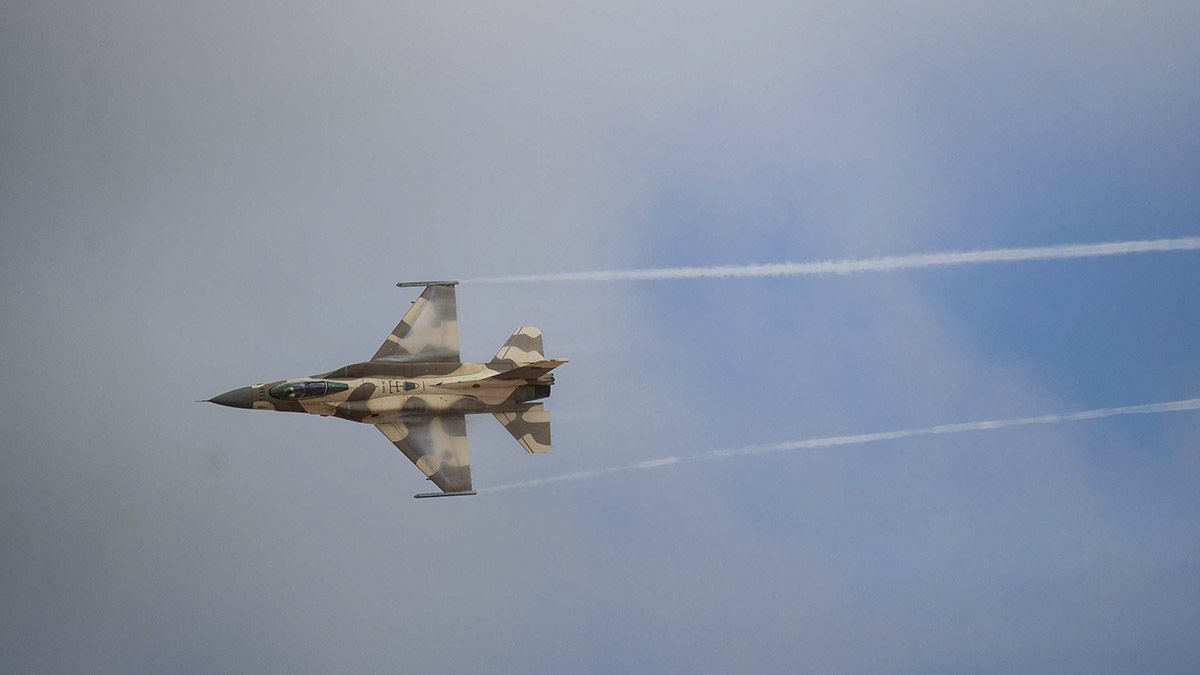
The Royal Air Force is enhancing its operational capabilities with advanced combat systems, upgraded F-16 aircraft, and new surveillance and electronic warfare technologies. Concurrently, the Royal Navy is fortifying its maritime defense capabilities along the Atlantic and Mediterranean coasts.
The army is modernizing armored vehicles, precision artillery, drones, and air defense systems to create a versatile force capable of addressing both conventional and asymmetrical threats. International cooperation is a fundamental aspect of Morocco’s military strategy, underpinned by strong ties with the United States, collaboration with European nations, and emerging partnerships with countries like Israel and India.
Moroccan Military Modernization Shows Positive Progress
The Global Firepower Index 2026 indicates that while Morocco ranks 61st in military capability out of 145 countries, it remains the second-largest defense spender in Africa. With a military budget of $6.3 billion in 2026—approximately 3.5% of its GDP—Morocco plans to further augment resources for military equipment procurement and defense sector development.
Notably, Morocco has recently acquired two unmanned surface vessels from the Netherlands, aimed at enhancing its maritime surveillance and operational capabilities under a €13 million contract.

In a regional perspective, Morocco continues to be Africa’s second-largest defense spender, contrasting with Algeria, which commands the most considerable conventional military force within the Arab Maghreb region. Algeria maintains a substantial defense budget, representing nearly 11% of its GDP in 2025 and supports the largest conventional army regarding armored vehicles, artillery, and fighter jets.
Despite falling short of the military capabilities of France, Spain, and Algeria, Morocco distinguishes itself with one of the most dynamic modernization programs in the region. It is focusing on approximately $16 billion worth of procurement aimed at deploying cutting-edge systems. Morocco prioritizes technological superiority and maintain strong alliances with the United States, France, and Israel over mere troop numbers, marking its unique approach to regional security.
