


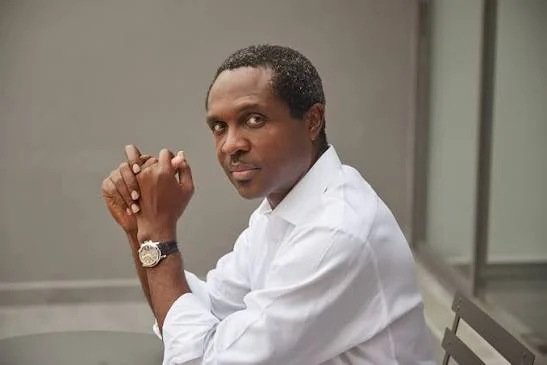
Lessons from Sahara Group’s Early Days
Tony Cole, co-founder of Sahara Group, has shared insights into how he and his partners established a foreign identity for their business in its formative years. This strategic move was primarily aimed at overcoming what Cole terms the “colonial mentality” that hindered young Nigerian entrepreneurs from gaining traction in the oil and gas sector.
In a recent interview with the Afropolitan podcast, Cole disclosed that Sahara was initially registered overseas in the Isle of Man and presented as an expatriate firm. The narrative included a fictional British persona, known as ‘Dr. J,’ which served as the face of the business, enabling the group to access opportunities that would have been difficult for a Nigerian-owned company to secure.
The motivation behind this approach stemmed from the prevailing belief that foreign firms were inherently more capable than their local counterparts. Cole noted, “In those days, there was a pervasive foreign mentality. The perception was that if you were white in Nigeria, doors would open for you.” This perception necessitated a reevaluation of their strategy as they observed that the majority of successful entities in the industry were foreign companies.
Potential clients often expressed skepticism about the capabilities of young entrepreneurs in their late 20s. Cole recalled the challenges he faced due to their age, stating, “When we entered meetings as young people in our late 20s, people would look at us and think, ‘Who are these kids? They can’t be serious about running a company.’” This age-related bias further complicated their journey in an already challenging landscape.
Recognizing the dominance of foreign entities in the market, Cole and his partners opted to register Sahara overseas. “We realized that successful firms were often foreign or had significant foreign ties,” Cole explained, emphasizing the competitive advantage they sought. By establishing a company in the Isle of Man, they depicted themselves as a UK-based enterprise, which enhanced their credibility in the eyes of potential clients.
To solidify this façade, they enlisted the help of a former teacher who had a distinguished name, ‘Dr. J.’ Cole mentioned, “We approached our former lecturer, saying, ‘We want to represent you.’ The name ‘Dr. J’ was not only reputable but also foreign, thus lending us an air of authority.” This arrangement allowed them to present themselves as staff working under a seasoned expatriate, a tactic that made clients more comfortable engaging with a young Nigerian team.
While this strategy initially facilitated their acceptance in the market, it soon became challenging to maintain. As time passed, clients began to question why they never encountered ‘Dr. J.’ Cole reflected on this development, noting, “It took about three years before clients started inquiring, ‘Why do we only hear about Dr. J but never see him in person?’” This experience highlighted the structural barriers that Nigerian entrepreneurs faced in the business environment of that era.
Reflecting on his entrepreneurial journey, Cole also recounted his early ventures while studying architecture at the University of Lagos. He and a partner created architectural models for various firms, experiences that instilled in him the value of partnerships and innovation. Since those early days, Sahara Group has transformed into a multinational energy conglomerate with operations spanning multiple countries. Cole’s path later led him into politics, where he ran for the governorship of Rivers State in the 2023 elections under the All Progressives Congress platform.
