


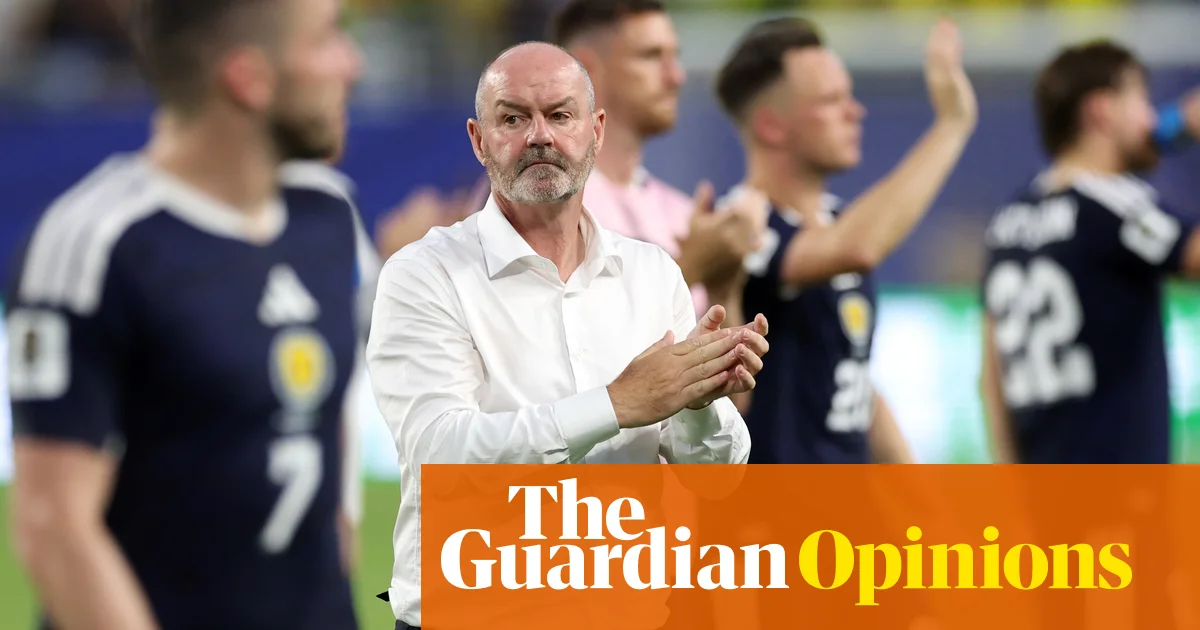
The Scottish Football Association Faces Unforeseen Challenges After Clarke’s Resignation
The Scottish Football Association’s recent decision to award Steve Clarke a four-year contract just weeks prior to the World Cup has raised eyebrows within the football community. As Scotland explores potential candidates for Clarke’s successor, it has become evident that the nation’s talent pool is mirrored in its leadership dynamics. Clarke’s unexpected resignation has thrust the SFA into a challenging predicament that they had hoped to avoid, demanding a creative approach to resolve the situation.
A Legacy of Achievements Overshadowed by Disappointment
Clarke’s legacy should be viewed positively; he notably ended Scotland’s lengthy absence from major tournaments, achieving this feat three times despite limited resources. Critics often overlook these constraints, which amplifies the disappointment surrounding his departure amid yet another tournament underperformance. Scotland’s exit from the World Cup can, at least in part, be attributed to shortcomings from their leadership.
Questions Arise Over Timing and Decision-Making
If Clarke had chosen to conclude his tenure after this World Cup, many would have viewed his exit more favorably. However, the manner in which the SFA tied his 10-year tenure to upcoming events in the United States reflects a lack of foresight. Clarke’s approach often seemed disconnected from pressing realities, leading to challenges that ultimately contributed to his resignation.
Moving Beyond Personal Criticism
Clarke is a respected figure who has made the difficult choice to step back from a demanding role. Despite excessive and personal criticism directed his way, he did not elaborate on the reasons for his resignation or Scotland’s shortcomings in recent tournaments in his farewell letter to supporters and staff. The team’s 3rd-place finish out of 12 teams starkly contrasts with their ambitions of advancing in the competition.
The SFA Must Elevate Its Decision-Making Standards
The SFA now finds itself under scrutiny to demonstrate that its decision-making mechanisms are far from complacent. The recent appointment of Craig Mulholland as chief football officer hasn’t alleviated perceptions of a stagnant culture within the organization. It is crucial that the leadership steps up and fosters a more dynamic approach moving forward.
A Call for Global Perspective in Manager Selection
With Clarke’s departure, the national team position has transformed into an opportunity for external candidates to introduce fresh perspectives and improvements. Scotland must consider managers from countries of similar stature that have made significant strides. Expanding beyond domestic options is not merely a matter of boldness; it is imperative for revitalizing the nation’s football culture.
Potential Candidates and Hope for Change
Currently, David Moyes and Alex Neil stand as the only Scottish managers in England’s top two leagues, while Derek McInnes has been discussed as a possible candidate. However, the reality of club commitments limits the options. Among the few available Scottish managers, John McGlynn appears the most promising, yet there are doubts about whether he has the capacity to inspire underperforming players like Scott McTominay and John McGinn—whose recent performances have left much to be desired.
The Need for Fresh Ideas in Scottish Football
Clarke’s assistant, Stephen Naismith, is an obvious candidate, yet his lack of experience may not align with the demands of the role. The conversation has also turned to figures like Paul Lambert, who has not managed since leaving Ipswich in 2021. The shadow of former manager Berti Vogts looms over discussions, as his uninspiring tenure still resonates, reminding stakeholders of the need for caution. Conversely, Ange Postecoglou represents a successful figure who seemingly meets many criteria needed for the role, although it remains improbable that he would consider a move.
Scotland’s football landscape is increasingly multicultural, with successful strategies being drawn from various sources, including recent international examples. As the SFA looks for a new coach, it would be a disservice to ignore potential lessons from abroad. The pressing need for a fresh perspective to advance Scottish football cannot be understated. The SFA now has an opportunity to broaden its vision, embrace diversity in leadership, and ultimately chart a path towards revitalizing the national sport.
With the next Nations League campaign on the horizon, securing Clarke’s successor is paramount. Scotland will face the relatively straightforward challenge of qualifying for Euro 2028, a goal that seems attainable with the right leadership. Clarke raised expectations during his tenure, and now the SFA has the chance to silence dissenting voices by expanding their horizons in the quest for footballing success.
