


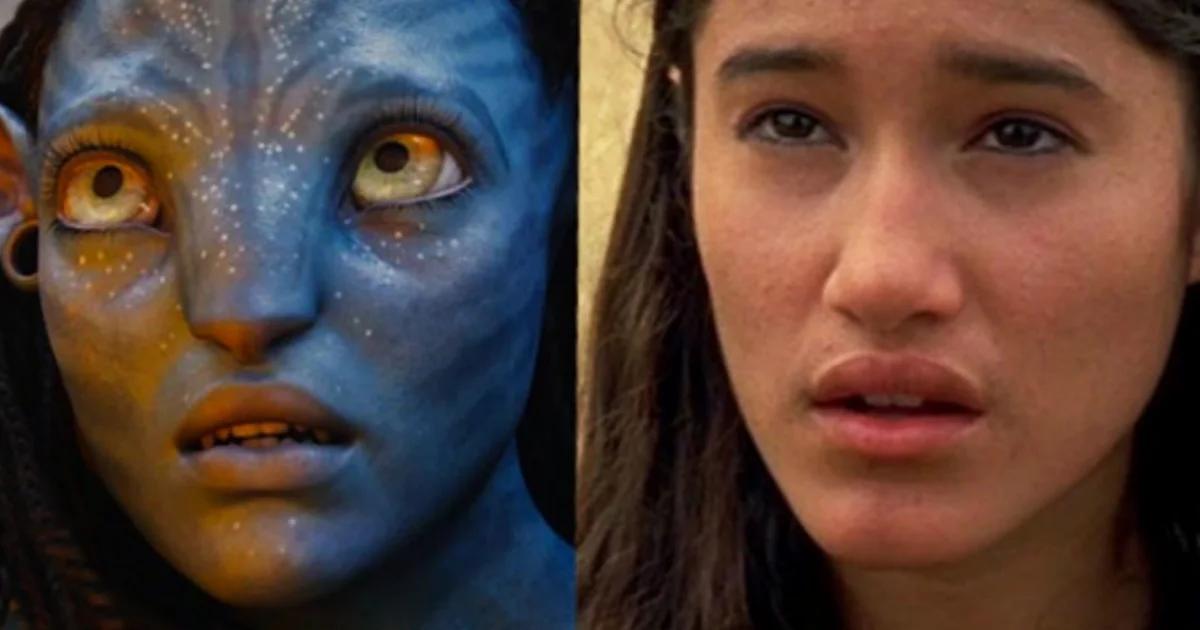
New Lawsuit Accuses James Cameron and Disney of Unlawfully Using Actress’s Likeness in Avatar
A lawsuit has been filed against film director James Cameron and the Walt Disney Company, claiming that Cameron used the facial features of actress Qualianka Kircher, who was just 14 years old at the time, as the inspiration for a key character in the film Avatar.
The legal complaint, lodged on Tuesday, asserts that Cameron “extracted her facial features” from a photograph of Kircher portraying Pocahontas in the film The New World. It further alleges that he directed his design team to use these features as the basis for Neytiri, the character famously played by Zoe Saldaña.
The lawsuit includes excerpts from interviews involving Cameron and his production team, specifically mentioning Kilcher and detailing how her likeness was utilized as inspiration for Neytiri. The complaint argues that this case exposes the exploitative practices of a prominent filmmaker who, supposedly, profited from the cultural heritage and biometrics of an Indigenous girl without offering her recognition or compensation.
According to the lawsuit, Kilcher’s likeness was captured in a production sketch, transformed into a digital model through laser scanning, and subsequently distributed to multiple visual effects vendors. This image, which stemmed from Kilcher’s features, has reportedly persisted in use across various media, including movies, posters, and merchandise, all without her consent.
The complaint alleges that Cameron and his team have concealed the true nature of the character’s inspiration for many years, resulting in a financially successful film series that, while claiming to be sympathetic to Indigenous issues, has taken advantage of real Indigenous figures behind the scenes. The lawsuit notes that the Avatar franchise has generated billions of dollars, with Cameron initially dissatisfied with the character’s alien-like appearance, prompting the use of Kilcher’s image to create a more relatable hero.
When Kilcher’s photo was published in the Los Angeles Times for The New World, Cameron reportedly recognized her as his muse. The lawsuit asserts that her facial features—including her lips, chin, and jawline—were used to shape Neytiri’s appearance, essentially transplanting a real teenager’s facial characteristics onto a fictional character.
The complaint emphasizes that neither Cameron nor his team sought Kilcher’s permission or compensated her for the use of her likeness. She only discovered her image had been utilized in this manner after meeting Cameron at an event in 2010, where he presented her with a signed sketch of Neytiri, accompanied by a note acknowledging her influence on the character.
Kilcher states in the lawsuit that the portrayal of her likeness was both unexpected and inappropriate, asserting that “this crosses a huge line.” She became aware of the extent of the utilization of her facial features late last year after a broadcast interview sparked public interest. The suit contends that Cameron’s actions may also violate California’s deepfake pornography law, given the intimate nature of Neytiri’s character depiction.
Arnold P. Peter, Kilcher’s lead attorney, has criticized Cameron’s approach as something far removed from artistic inspiration, labeling it as theft. He argues that “the unique biometric features of a 14-year-old Indigenous girl were taken without permission” to yield enormous profits for Disney and Cameron. The lawsuit seeks compensatory and punitive damages, alongside a public acknowledgment of Kilcher’s likeness being used without compensation.
As of now, neither Cameron nor representatives from Disney have responded to requests for comment on the ongoing legal proceedings.
