


African Lion Exercise Highlights Military Innovation and Regional Cooperation
Over 5,600 participants from around 40 countries engaged in new military techniques during the African Lion exercise, held from April 20 to May 8 in Ghana, Morocco, Senegal, and Tunisia. This multinational event underscores the commitment to modern military practices and humanitarian assistance.
Focus on Advanced Technology and Humanitarian Aid
Brigadier General Reda Shuaib of the Moroccan Armed Forces emphasized that this iteration of the exercise placed a significant focus on innovation and advanced technologies, alongside efforts in humanitarian assistance. He made these remarks following the final field exercise in Tintin, Morocco, highlighting the exercise’s value for all participants.
Largest Multinational Military Exercise in Africa
African Lion stands as both the continent’s largest multinational military exercise and the largest annual joint operation conducted by the U.S. Africa Command (AFRICOM). The exercise, coordinated by the U.S. Army Task Force Africa and Southern Europe, prioritized innovation, interoperability, and regional security led by partner countries.
Demonstrating Growing Commitment and Participation
A key military planner from Morocco noted that more than 40,000 military personnel have participated in the last five editions of African Lion, reaffirming the commitment of partner nations and the significance of this annual event.
Strengthening Military Partnerships
During the opening ceremony at the Southern Zone Command in Agadir on April 27, Moroccan Lieutenant General Mohamed Benluali remarked on the exercise’s importance in bolstering military collaboration between Morocco and the participating nations. He explained that the exercise aims to enhance partnership, integration in planning, and overall operational readiness.
Shifting Tactical Approaches to Embrace Modern Technology
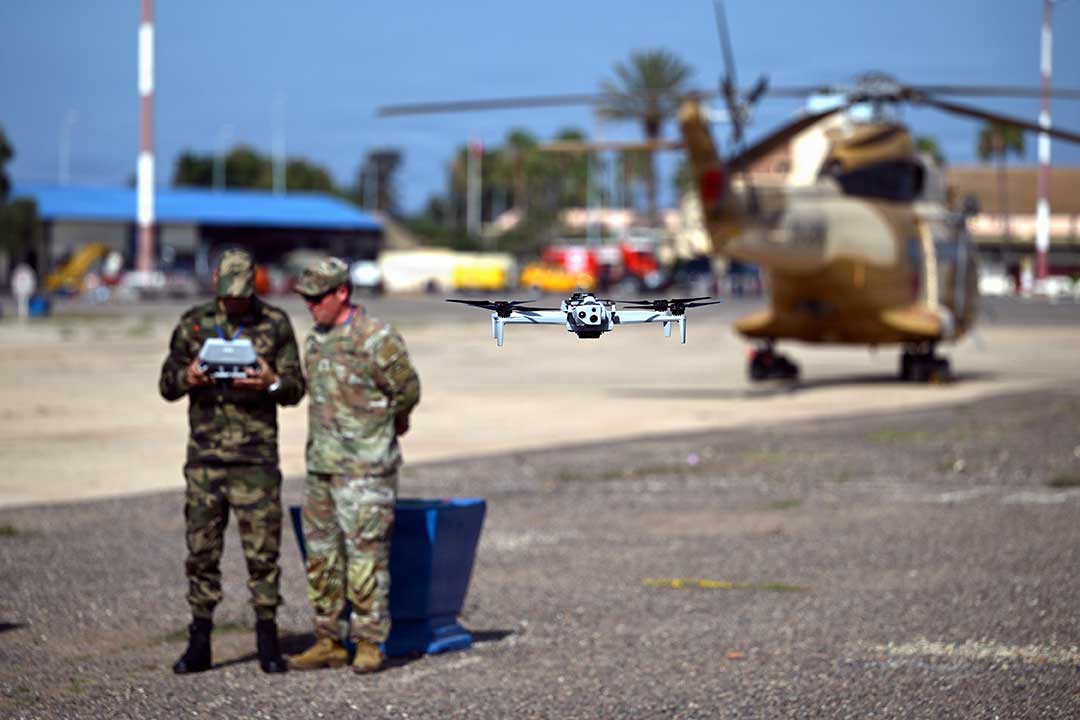
This year’s African Lion represented a shift from traditional firepower-based tactics to advanced command and control systems implementing cutting-edge technologies, including drones, autonomous vehicles, remote-operated firing systems, and artificial intelligence. The exercise expanded into crucial areas like cybersecurity, electromagnetic warfare, and space operations.
Comprehensive Training and Real-World Applications
The academic phase from April 20 to 30 supported command training alongside field exercises. This segment included the participation of 20 special forces units utilizing emerging technologies such as drones and cybersecurity tools. More than 40 military technology vendors also showcased their products, allowing for live testing that addressed specific operational requirements, such as mission command systems and counterattack mechanisms.
Demonstrative Attack Simulations and Tactical Readiness
At Cap Draa, near Tintin and the mouth of the Draa River, a large-scale attack simulation served as a fitting conclusion to the African Lion exercise. Lieutenant Colonel Yassin El Semrali noted the practical significance of the event, emphasizing the importance of technologies that enhance decision-making, targeting accuracy, and ultimately save lives.
Collaborative Engagements and Troop Readiness
The culminating event tested troops’ capabilities to repel attacks while transitioning into counteroffensives. The Moroccan ground forces utilized tanks and artillery to neutralize enemy assets effectively. Seven new Apache attack helicopters—the latest additions to the Royal Air Force—underscored the integration of modern technology and AI-enhanced command systems during the exercise.
Strategic Presence Showcased in Morocco’s Skies
In a symbolic display of unity, Moroccan F-16 fighter jets escorted two U.S. Air Force B-52 bombers over Cap Draa on April 23. This collaboration demonstrated a credible deterrent and reinforced the United States’ commitment to regional security, as highlighted by General Dagvin Anderson, commander of Africa Command.
Continued Growth and Relevance of Collaborative Exercises
In Tunisia, Lieutenant General John Brennan, deputy commander of Africa Command, remarked that over 500 African and allied military personnel engaged in intensive training focused on large-scale combat operations, crisis response, and humanitarian aid. He noted at the closing ceremony on April 29 that this year’s African Lion exemplified the continued evolution and significance of this multinational exercise, showcasing the unity and diverse capabilities of the coalition in addressing common threats.
