


Criticism Mounts Over New U.S. Small Business Lending Policy
A significant shift in the U.S. small business lending landscape has incited backlash from entrepreneurs, lenders, and legislators alike. Many express concern that restrictions on federal loans could stifle business formation, job creation, and economic investment throughout the country.
New Policy Excludes Legal Permanent Residents
The controversy revolves around a recently implemented policy by the U.S. Small Business Administration (SBA), which now reserves its flagship lending program exclusively for businesses that are entirely owned by American citizens. This marks the first occasion that legal permanent residents, commonly referred to as green card holders, have been barred from SBA-backed loans, despite their eligibility for such funds for decades.
Impact on Immigrant Entrepreneurs
For numerous immigrant entrepreneurs, this policy represents more than a mere regulation change; it effectively shuts off access to one of the most vital sources of affordable business capital available in the nation.
Personal Stories Highlight Policy’s Consequences
Tsuchiya Sayuri, a Japanese immigrant who has spent nearly three decades in the United States, is among those affected. After 20 years working as a hairstylist in Los Angeles, she utilized an SBA loan during the COVID-19 pandemic to establish a head spa business in Japan focusing on scalp treatments and wellness therapies. What began as a single location quickly blossomed into three operations employing ten people. However, under the new policy, she will no longer qualify for the loans that significantly impacted her career transformation.
Policy Justification and Wider Context
This decision aligns with the broader trend during the Trump administration aimed at tightening access to government assistance programs for noncitizens. Although existing lending regulations already imposed restrictions on specific immigrant categories, legal permanent residents historically maintained eligibility due to their residency rights, tax contributions, and legal status.
Critics Highlight the Role of Immigrants in Economic Growth
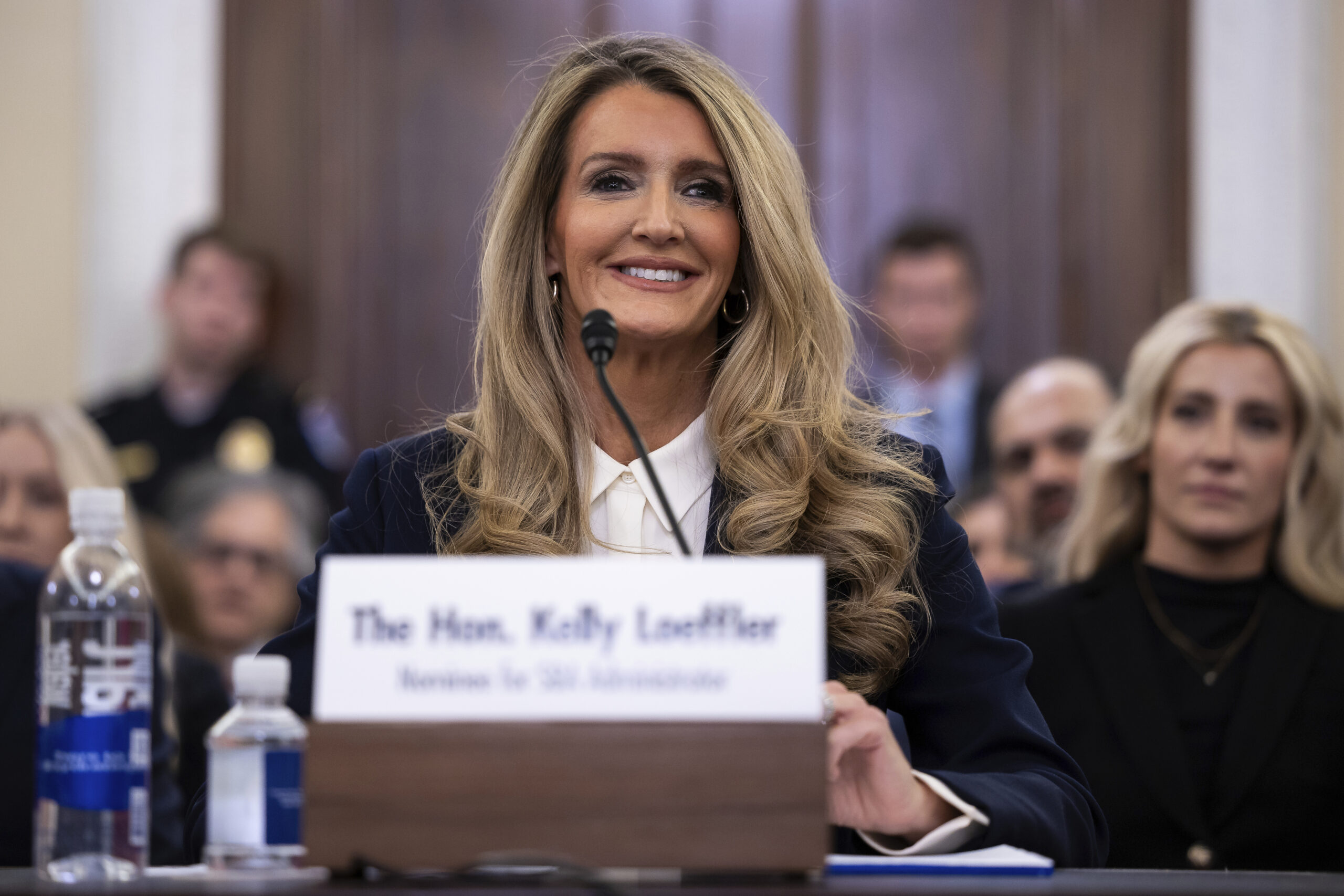
Supporters of the policy, including SBA Administrator Kelly Loeffler, argue that taxpayer-backed loan initiatives should primarily benefit American citizens. Officials assert that these changes will increase funding accessibility for citizen-owned businesses and help direct federal resources toward American workers and entrepreneurs. Yet critics argue that the policy disregards the critical role immigrants play in driving innovation and entrepreneurship within the United States.
The Economic Impact of Limiting Loan Access
According to U.S. Census data, immigrants constitute approximately 15 percent of the nation’s population, yet own 20 to 25 percent of U.S. businesses. A recent study by the National Foundation for American Policy reveals that immigrants and their children are integral to the genesis of nearly two-thirds of U.S. startups valued at over $1 billion. While only about 4% of SBA loans were awarded to businesses involving permanent residents last year, advocates maintain that these funds serve as a crucial lifeline for entrepreneurs struggling to secure alternative financing.
Implications for the Lending Sector
For many small businesses, SBA-backed loans offer low-interest rates, long repayment terms, and government guarantees that incentivize private lenders to finance ventures deemed too risky. Business advisors caution that restricting access to SBA funds may push some entrepreneurs toward higher-cost financing options, such as merchant cash advances, creating additional financial strain on small businesses.
Ongoing Political Debate and Future of Entrepreneurship
The repercussions of this policy are already reverberating through the lending sector. Several financial institutions have reportedly delayed or suspended loan applications as they implement more stringent citizenship verification processes, leaving companies in uncertainty. This shift has triggered protests at the Capitol, prompting Democratic lawmakers, including Senator Ed Markey and Representative Nydia Velasquez, to introduce legislation aimed at restoring SBA loan eligibility for legal permanent residents.
Long-Term Implications for U.S. Economy
The ramifications of the policy extend beyond immediate political discussions, raising broader questions about the future of entrepreneurship in the United States. For years, immigrant-owned businesses have significantly contributed to job creation, local investments, and economic growth. Advocates of the restrictions insist that government-backed lending should prioritize citizens, while opponents contend that limiting access to capital for legal residents could ultimately curtail growth opportunities and stifle innovation.
As discussions continue among lawmakers, business groups, and federal officials, many immigrant entrepreneurs are left to ponder whether the avenues that facilitated their success and contributions to the American economy will remain accessible for future generations.
