


Algeria Enhances Its Space Capabilities with Satellite Launches
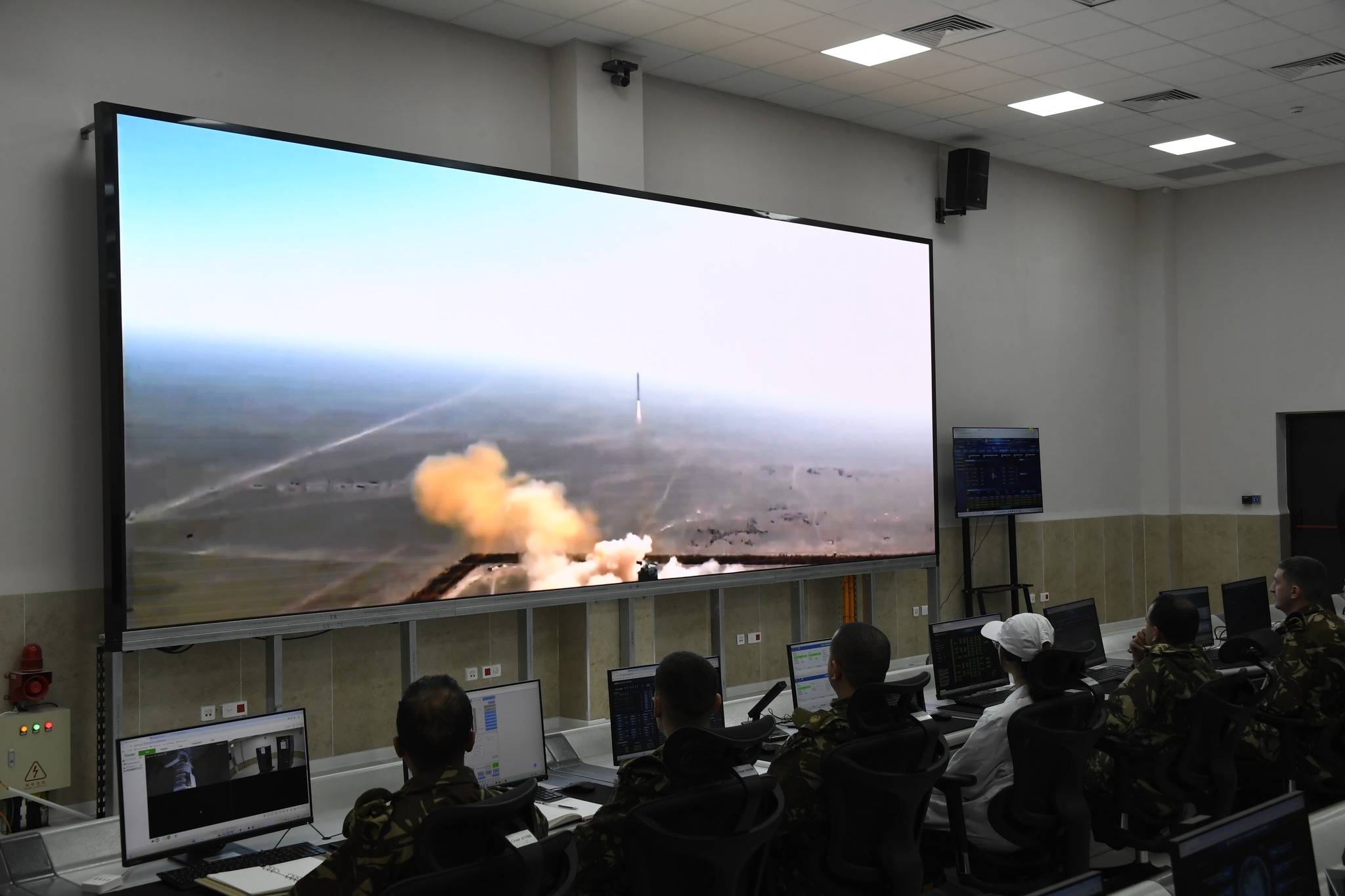
In a significant move for its space ambitions, Algeria launched two satellites, ALSAT-3A and ALSAT-3B, within a two-week span in January. This development adds to a growing roster, bringing the total number of satellites launched by African nations to 69, following the inaugural NileSat 101 by Egypt in 1998.
The Strategic Importance of Space for Africa
Space exploration has emerged as a crucial frontier for African nations, which are keen to harness technological advancements to gather data on vital issues such as climate change, food security, and population dynamics. This data will assist governments in making informed decisions for future planning and development.
Satellite Advances in Algeria
Both ALSAT-3A and ALSAT-3B were designed to provide high-resolution imagery of the Earth’s surface, enhancing Algeria’s capabilities in land-use planning and disaster management. These satellites follow in the footsteps of ALSAT-2A and ALSAT-2B, launched in 2010, and the country’s first satellite, ALSAT-1, which was deployed in 2002.
Conversations on Africa’s Space Future
The 2nd NewSpace Africa Conference, held in April and co-hosted by the African Space Agency and the Gabonese Space Observatory, served as a vital platform for discussing Africa’s future in space. Over three days, the conference attracted experts from various sectors including government, academia, and the commercial space industry, aiming to outline strategies for advancing the continent’s space capabilities.
Commitment to Equitable Development in Space
Organizers of the conference underscored the importance of ethical and equitable development across Africa, envisioning a robust space industry as a catalyst for sustainable growth and shared prosperity. Tidiane Ouattara, President of the Council of African Space Agencies, described the event as a pivotal opportunity to align Africa’s vision for space as a driver of sustainable development, economic growth, and global collaboration.
The Growing Role of Satellites in Africa
For nearly three decades, 18 African nations have successfully launched satellites, with Egypt and South Africa leading the charge. While these satellites are essential for telecommunications and Earth observation, the continent currently lacks local launch facilities, relying instead on international partners for deployment.
Innovations in Satellite Technology and Collaboration
The accessibility of satellite technology has been a game-changer, allowing numerous African nations to explore space through cost-effective solutions like cubesats—small satellites measuring approximately 10 centimeters per side. Senegal, for example, has partnered with France’s Montpellier University Space Center to create its inaugural satellite, Gaindesat-1A, which was launched in 2024 following the establishment of the Senegalese Space Research Agency (ASES).
Expanding Ambitions in Senegal’s Space Sector
Senegal aims to launch up to seven additional satellites by 2028 and is actively working to establish its own “Space Valley” to serve as a hub for innovation. ASES Director-General Malam Khaire emphasized the government’s ambition to utilize the space sector as a transformative tool across various industries, particularly in enhancing national security. This vision is further supported by a five-year agreement signed in 2025 between ASES and the Senegalese Armed Forces, highlighting the continent’s growing recognition of the strategic value of satellite technologies in surveillance and secure communications.
A Framework for Cooperative Space Initiatives
To take a more unified approach to space exploration, the African Union is set to inaugurate the African Space Agency in Cairo by the end of 2025. This institution will operate under four main pillars: enhancing Earth observation, supporting satellite communication and navigation, promoting astronomy, and advancing space sciences. By consolidating fragmented space initiatives, the agency aims to foster cooperation among member states, generating benefits for communities across Africa.
