


Africa Must Shape Its Own AI Future
Africa is at a critical juncture where it cannot allow artificial intelligence (AI) technologies developed externally to dictate its identity, language, culture, and future. This pressing need was emphasized during the second day of the inaugural AI and Law Conference at the University of Johannesburg. Participants grappled with essential questions regarding the creators of AI systems, the origins of the data utilized, the beneficiaries of these technologies, and accountability for potential harm.
Engaging Expertise Across Disciplines
The conference’s second day featured a dynamic lineup of keynote speeches, panels, and discussions, uniting prominent figures from academia, law, technology, and industry to explore AI’s evolving intersection with governance, law, and sustainable development. Notably, Dr. Titus Mate, CEO of the Technology and Innovation Agency (TIA), contributed insights on industry perspectives, enriching the event’s focus on innovation.
Key Insights from Leading Academics
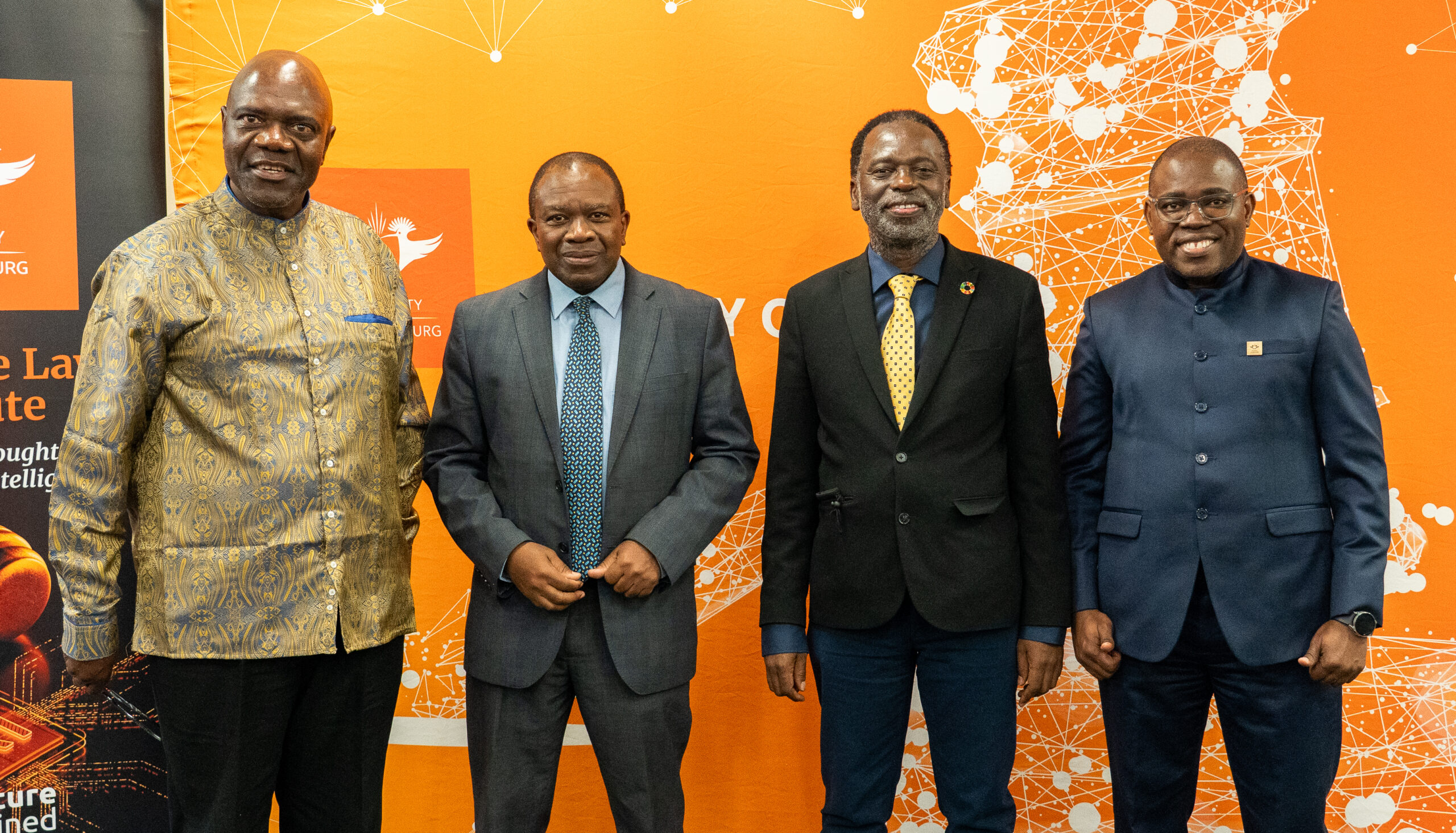
The morning sessions began with impactful speeches from Professor Tsilizi Marwala, UN Under-Secretary-General and President of the United Nations University, and Professor Letulhokwa George Mpedi, Vice-Chancellor of UJ. They stressed the importance of Africa transitioning from a passive consumer of foreign technological solutions to an active player in defining its legal and governance frameworks.
Fundamental Questions on AI Responsibility
Professor Marwala opened his address with crucial inquiries that underpin discussions about AI’s future: Who holds responsibility when outcomes are desirable or adverse? Who designed the systems influencing these decisions? What trade-offs are embraced, often without conscious acknowledgment? He urged society to engage with AI through the intertwined lenses of law, governance, and balance, emphasizing that these elements must collectively guide the continent’s technological trajectory.
The Complexities of AI in Justice and Governance
In the realm of justice, AI enhancements—such as legal aid automation—promise to broaden access to services for historically underserved communities. However, Professor Marwala cautioned that meaningful access and trust in these technologies hinge on robust regulatory frameworks. He warned against allowing corporations to define the parameters of systems meant to heal justice gaps, as this risks perpetuating existing inequalities.
Protecting Cultural Heritage in the AI Era
Emphasizing an African context, Professor Mpedi cautioned against importing AI governance models from other regions, arguing that they may not suit Africa’s distinct socio-economic and cultural landscapes. He highlighted a significant risk: AI could replicate African cultural heritage without proper recognition or compensation. Drawing parallels to existing protections like geographical indications in South Africa, he advocated for legal mechanisms that safeguard African cultural identity as AI technologies continue to evolve.
The Need for Collaborative Solutions
Both keynote addresses underscored the necessity for interdisciplinary collaboration among lawyers, engineers, and policymakers. The challenges presented by AI extend beyond discriminatory outputs, raising critical questions about whose language and cultural contexts are reflected in the data used to build these systems. Professor Mpedi articulated that the AI-infused legal tools must adequately serve diverse linguistic communities, suggesting that a lack of understanding will limit their accessibility and effectiveness. The conference ultimately served as a call to action for African nations to leverage their collective demographic advantage, representing 1.4 billion people, to shape a future where African data benefits its people.
