


Fuel Price Increase Looms for Nigerians
Nigerians are preparing for a substantial rise in the price of Premium Motor Spirit (PMS), commonly known as petrol, just weeks into the new year. The anticipated hike is driving consumers to prepare for increasing costs at the pump.
Dangote Refinery’s Role in Price Dynamics
While Dangote Refinery stands as the largest in Nigeria, its ability to mitigate the impact of price increases on consumers remains uncertain. The refinery has indicated its current operations may not effectively shield the country from this impending hike.
NNPC Stations Brace for Change
According to statements from filling stations operated by the Nigerian National Petroleum Corporation Limited (NNPCL), prices might rise to N1,040 per litre. This is a notable increase from the current selling prices of approximately N925 in Lagos and N965 in Abuja. A staff member confirmed that price adjustments are likely to be announced imminently.
The Potential for Higher Prices
As the market anticipates these changes, experts from the Democratic Party have highlighted an expected rise in Brent crude prices, projecting an increase from $70 to $82. Despite this, the Dangote Refinery announced a modest price adjustment of 5%, moving from N899.50 to N950, while affiliated stations plan to maintain prices around N970 per liter. If market dynamics dictate a larger shift, the retail price could escalate to between N1,150 to N1,200.
Independent Marketers Adjust Pricing
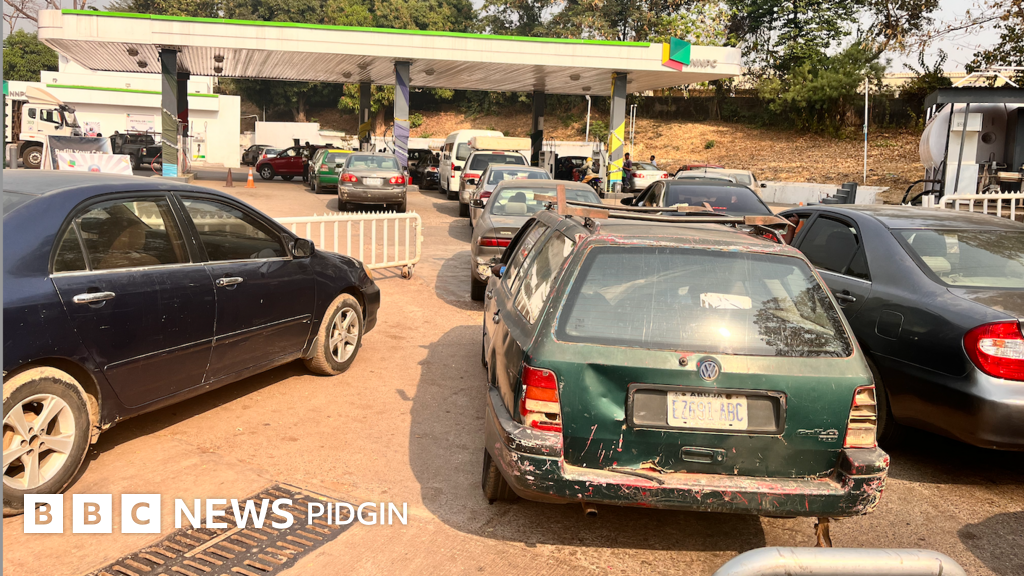
A review of independent filling stations reveals that prices have already risen. Previously, petrol was sold for N970 per liter, but recent reports indicate new prices now range from N1,050 to N1,090. Long queues have formed at stations still selling below N1,000 per liter as consumers rush to fuel up in anticipation of further hikes.
Market Uncertainties in Fuel Pricing
Alhaji Yakubu Dimuka, a prominent figure in the Independent Petroleum Marketers Association of Nigeria (IPMAN), suggested that the unpredictability of petrol prices stems from the recent subsidy removal. He noted that while global oil prices will influence domestic rates, Nigeria’s heavy reliance on imports complicates the pricing landscape further.
Impact of Global Oil Sanctions
International oil prices surged to a four-month high in January, spurred by new U.S. sanctions on Russian oil. The International Energy Agency predicts these sanctions will significantly affect not only Russian supply but also global distribution chains. In Nigeria, the recent abolishment of fuel subsidies by President Bola Ahmed Tinubu means prices will now respond directly to market factors such as international oil rates and foreign exchange dynamics.
With the commissioning of the Dangote refinery, alongside the recent operational resumption of government-owned refineries in Port Harcourt and Warri, Nigeria is poised to lessen its dependency on imported petroleum products. However, the full effects of these developments on local fuel prices remain to be seen as the market adapts to new economic realities.
