


Angolan Startup Kukubela Revolutionizes EdTech for African Languages
Based in Angola, Kukubela is an educational technology platform dedicated to promoting African languages. Since its inception, the startup has successfully attracted a user base of 35,000 individuals.
Innovative Language Learning through Mobile Technology
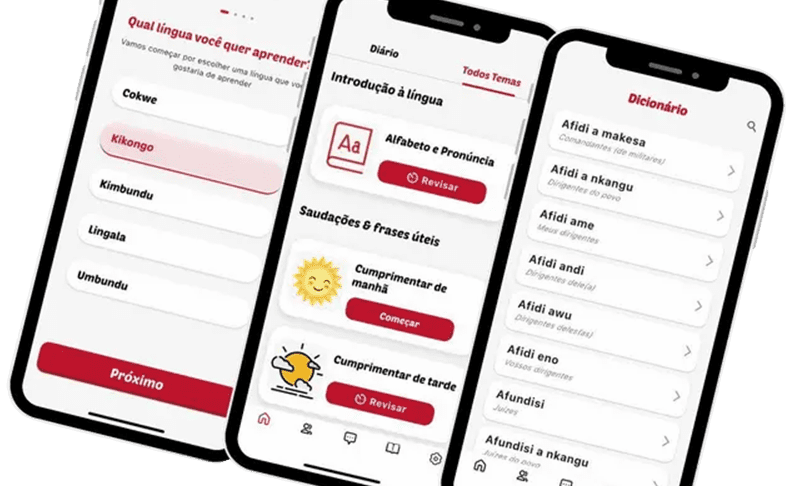
Founded in 2023 by Antonio Nicolau, Kukubela offers a mobile-first learning experience that includes structured courses enriched with audio, interactive exercises, a built-in dictionary, and community engagement features. The platform is currently available on both Android and iOS, focusing specifically on Angola’s national languages: Kimbundu, Kikongo, Lingala, Umbundu, and Chokwe.
Empowering Cultural Reconnection through Language
According to Nicolau, the platform’s mission is to make African languages accessible globally, particularly to Africans and members of the diaspora eager to reconnect with their linguistic and cultural roots. This vision was born out of Nicolau’s personal dissatisfaction with existing resources.
Addressing a Gap in Language Learning Resources
Nicolau discovered a lack of authentic, technology-driven platforms dedicated to teaching Angola’s languages. He pointed out that existing resources often appeared outdated, inaccessible, or deficient in cultural context. Notably, many global language learning platforms, like Duolingo, overlook essential African languages such as Kimbundu, Kikongo, and Lingala.
Fragmented Alternatives Stand in Contrast to Kukubela’s Approach
While there are newcomers like Nkenne focusing on West African languages such as Yoruba and Igbo, Nicolau notes that the overall market remains in its infancy, lacking a dominant player. Kukubela aims to create culturally rooted and scalable learning experiences, particularly for Central African languages, a category that is often neglected.
Strong Initial Traction and Revenue Generation
Following its successful launch, Kukubela has experienced rapid growth. Operating entirely on organic traction without external funding, the platform has amassed over 35,000 registered users, with a demographic primarily located in Portugal, Brazil, the United Kingdom, and within the Angolan diaspora. Nicolau reports over 220 active paying subscribers and a small number of users on trial, noting that engagement is particularly high among diaspora users eager to reconnect with their cultural heritage.
Plans for Expansion and Future Offerings
Kukubela generates revenue through subscription fees and has recently introduced educational e-books to diversify its income streams. The startup is also laying plans to further broaden its language offerings by including courses in Yoruba, Ibinda, and Swahili. Nicolau emphasizes that this transition represents a significant shift from being an Angolan-focused language platform to a more comprehensive African language learning hub.
Strategic Growth Initiatives and Long-Term Vision
Looking ahead, Kukubela aims to expand its market presence by establishing partnerships within the diaspora, engaging content creators, and increasing its focus on the U.S. market—an area ripe with interest in African heritage. The company is set to forge B2B partnerships with educational institutions and is expanding English support across its offerings. Soon to launch is Kukubela Kids, aimed at children aged 4-12 separated from their families. Nicolau’s long-term vision is ambitious: to engage 1 million users in learning African languages through the platform.
