


Soccer’s Cultural Tapestry: Insights from the Rocky Statue in Philadelphia
Following soccer around the globe brings fans closer to unique locations and cultural landmarks steeped in significance. The United States, too, is home to such sacred spaces that resonate deeply with its diverse heritage.
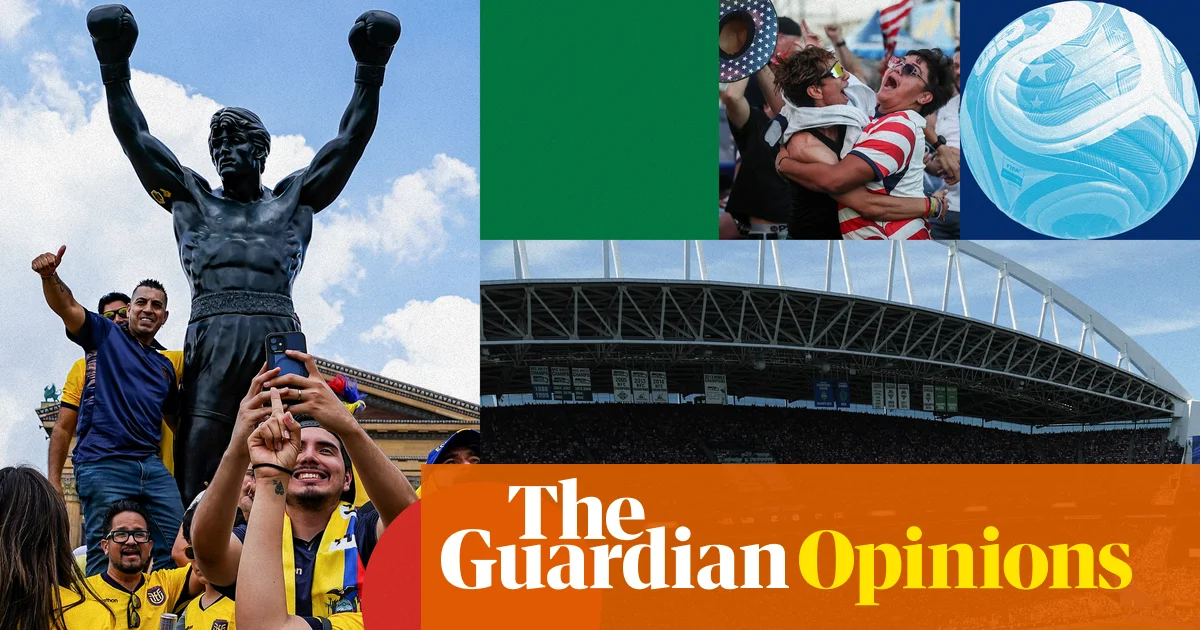
On a recent Thursday morning, a line of fans stretched down the sun-drenched steps in Philadelphia, making their way to a plaza dedicated to one of America’s most iconic symbols. Clad in celebratory colors, supporters approached the famous Rocky statue, a figure revered by many. One passionate fan, finally called to take a photo, adjusted his Ronaldinho jersey, raised his fist in triumph, and shouted proudly: “Adrian! We did it!”
The Rocky statue serves as more than just an art piece; it has become a vital pilgrimage site. For many Brazilian and Haitian fans attending Group C matches, it offers a taste of American culture amidst their shared excitement. The statue stands tall against the backdrop of Philadelphia’s skyline, emblematic of resilience and ambition that capture the American spirit.
This connection to ‘hand-sized’ achievements—products and symbols that reflect personal engagement—suggests that even in a land of vast narratives, there is a potential for human-scale connection. Items like hamburgers, baseball mitts, and chocolate chip cookies symbolize a communal heritage that democratizes experience and emphasizes the notion that parts of America can indeed be held in the palm of one’s hand.
However, the reality is more complex. The United States grapples with significant issues, including economic inequality and a history marred by oppression. These stark contrasts present a tension between the idealistic narratives often portrayed and the harsh truths that underpin American life. This dissonance becomes especially apparent as larger societal elements threaten to overshadow intimate, human-scale experiences. The spectacle of oversized food products and the surge of digital interactions hint at a disconnection from the tangible world.
The upcoming World Cup, set to take place across Mexico, Canada, and the United States, stirs anticipation. Although spectacular gatherings typically draw scrutiny regarding logistics and viewer demographics, this particular event holds particular significance for the U.S. Amid rising tensions and inward-looking attitudes, the tournament provides an opportunity for reflection, connecting diverse audiences through shared interests.
Remarkably, the World Cup is expected to generate immense revenue and media engagement, reinforcing FIFA’s influence amidst a commercially saturated landscape. The ongoing clash between the United States’ cultural identity and its global perception offers intriguing narratives. Despite its status as a dominant economic and cultural force, America’s complexities often invite skepticism and criticism from around the world.
As the World Cup unfolds, one unexpected insight emerges: the potential for unity across the nation. Despite fears of increased polarization, anecdotal evidence suggests that gatherings foster a sense of warmth and openness. Fans from various backgrounds engage in conversations about their nation’s image, addressing the realities tied to current political figures and their policies.
Ultimately, the World Cup represents more than a mere sporting event. It challenges preconceived notions and wrestles with national identity in a moment of global scrutiny. Participation in this celebration underscores the idea that, while footy may not unify the world, it offers a reflective mirror, showcasing what America could aspire to be: a space where diverse stories intertwine, reminding us that nuance and connection are essential in our shared humanity.
