


A Link Between Shingles Vaccine and Dementia Prevention
Emerging research indicates that the shingles vaccine may significantly protect older adults against dementia. Recent studies shed light on the relationship between shingles, a condition driven by the reactivation of the varicella-zoster virus, and cognitive health, hinting at a compelling link that merits attention.
The Neurological Impact of Shingles
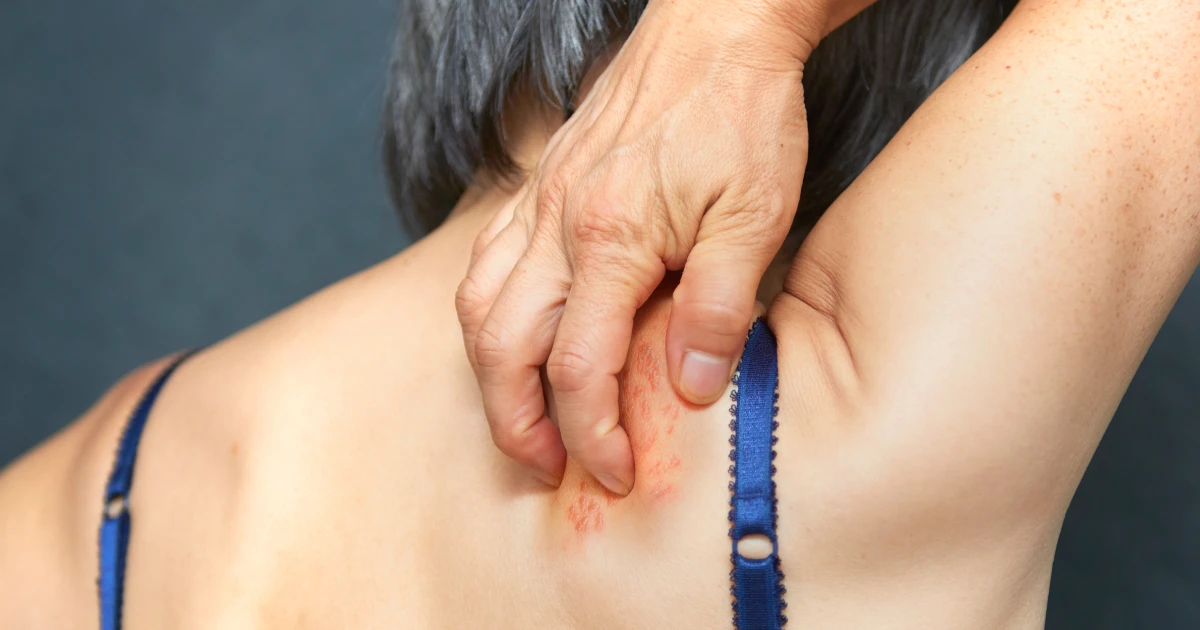
Shingles reemerges from the dormant varicella-zoster virus, initially responsible for chickenpox, causing painful rashes and inflammatory reactions in the brain. Dr. Jennifer Paul-Durai, medical director of the Inova Brain Health and Memory Disorders Program in Northern Virginia, notes that this inflammation can create a “battlefield” scenario within the nervous system, potentially influencing cognitive decline.
Vaccination as a Preventive Measure
The shingles vaccine is not a miraculous solution, Paul-Durai emphasizes; rather, it serves as a preventive measure against a disease known to harm brain health. Chronic stress on the brain from diseases can heighten the risk of developing dementia. Even without facing shingles, the overall health of the brain is a crucial factor in dementia likelihood.
Recent Findings on Dementia Risk Reduction
A study published on June 16 in the Annals of Internal Medicine reveals that approximately 1 in 17 dementia cases could be avoided through shingles vaccination. Analyzing health records from over 509,000 individuals aged 66 and older who entered U.S. nursing homes from 2017 to 2022 showed that those who received at least one dose of the shingles vaccine within a year of admission had a 5.8% reduced risk of developing dementia within the next four years.
International Research Confirms Correlation
Broader studies corroborate these findings. A Welsh study involving over 282,000 seniors, published last year in Nature, found that shingles vaccination was linked to a 3.5% reduction in dementia risk over seven years. Similarly, research involving more than 101,000 older Australians in the Journal of the American Medical Association identified a 1.8% reduction, while a separate study on over 232,000 seniors in Canada reported a 2% decrease in dementia risk linked to vaccination eligibility.
The Shingles Vaccine’s Broader Health Implications
The varicella-zoster virus, which causes both chickenpox and shingles, affects over 99% of Americans born before 1980. While the first chickenpox vaccine was introduced in 1995, approximately 1 million Americans develop shingles annually. Previous studies have linked shingles infections to increased dementia risk, with severe cases observed to elevate dementia chances by 13%, according to a study published in the Journal of Alzheimer’s Disease Prevention.
Potential Neuroprotective Effects on Women
Shingrix, the only FDA-approved shingles vaccine, is available to those aged 50 and older. The CDC recommends it for individuals with prior vaccinations or shingles episodes. Research indicates that the vaccine may have pronounced neuroprotective effects, particularly for women, although results have varied by gender. Professor Ann Philbrick from the University of Minnesota notes that health-conscious individuals are more likely to receive vaccinations, which may skew findings regarding dementia risk among different demographics.
Barriers to Vaccination and Increased Awareness
Despite clear evidence of the vaccine’s efficacy in preventing dementia, less than 2% of eligible nursing home residents have received it. In 2022, vaccination rates among U.S. adults over 60 were approximately 43.8%, with lower figures among Black and Hispanic populations. Insurance typically covers Shingrix, indicating that access issues may not be the primary hurdle. “The challenge lies in the inconvenience of scheduling multiple appointments,” Philbrick explains. Paul-Durai advises that while no solution is foolproof, getting vaccinated can be a strategic choice in protecting cognitive health, paralleling wearing a helmet while biking for added safety.
