


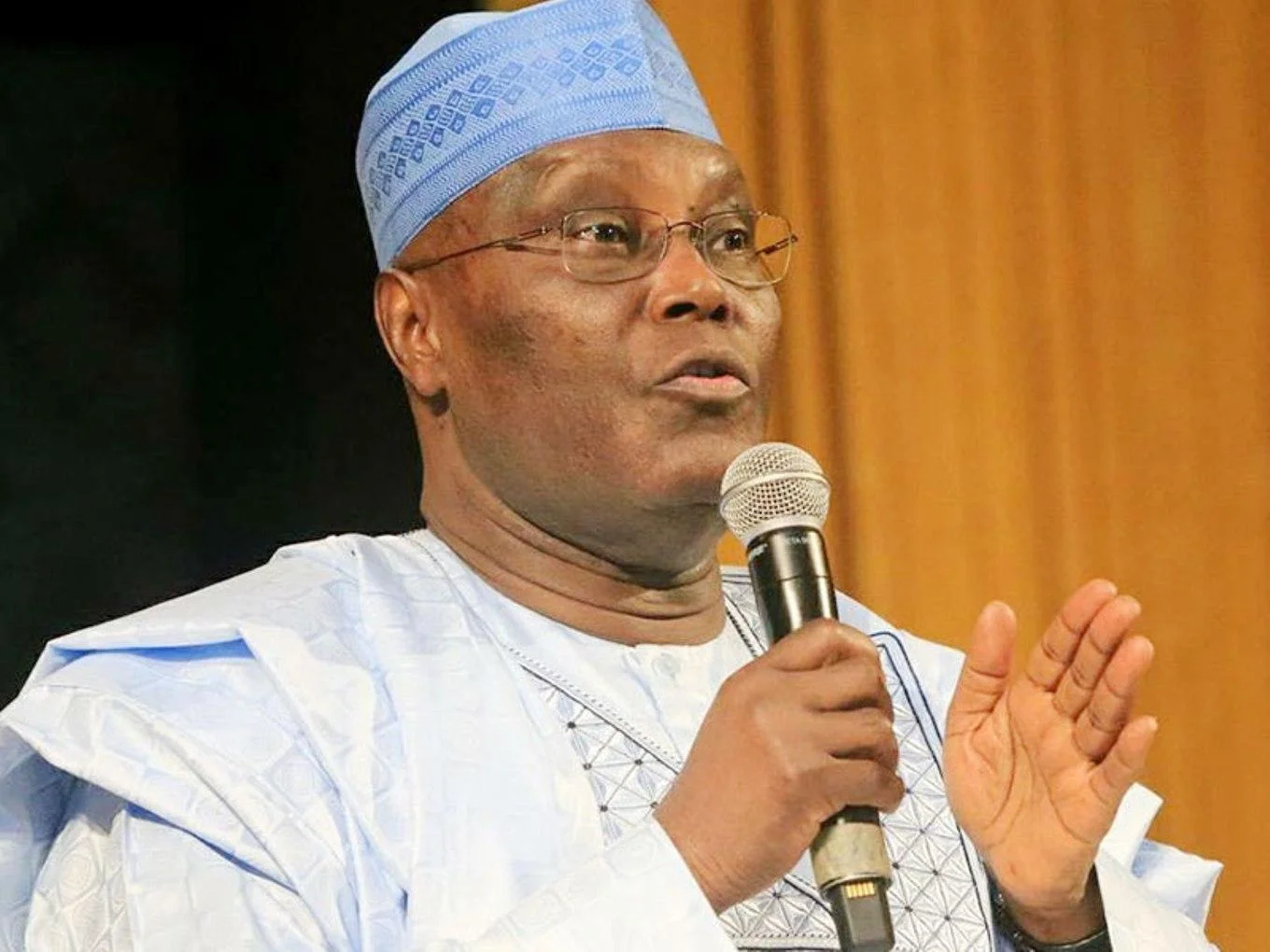
Atiku Abubakar Criticizes New SSCE Registration Fees
Former Vice President Atiku Abubakar has voiced strong opposition to the Federal Government’s recent decision to institute a uniform registration fee of N50,000 for the Senior Secondary School Certificate Examination (SSCE) administered by the West African Examinations Council (WAEC) and the National Examinations Council (NECO). He warns that this policy could exacerbate existing barriers to education for millions of Nigerian students.
New Fee Structure Effective from 2027
The Federal Ministry of Education has announced that beginning in 2027, the registration fee for NECO will increase from N30,000 to N50,000 per candidate, while the WAEC fee will rise from N27,000 to the same new rate. This decision, documented in a memorandum dated June 18, 2026, and signed by the Director-General of Higher and Secondary Education, Adeniji Ibrahim, was based on discussions between ministry officials and NECO representatives on March 31, 2026, regarding the establishment of a harmonized fee structure.
Concerns Over Economic Impact
In a statement released by his senior special assistant on public affairs, Planke Shaibu, Atiku described the fee increase as “cruel, economically insensitive, and fundamentally inconsistent with the government’s obligation to provide every Nigerian child with access to education.” He emphasized that the registration fee hike comes at a time when many households are grappling with increased inflation, heightened food and transportation costs, and rising unemployment.
Education as a Pathway to Opportunity
Atiku contended that education is vital for social mobility and warned that the escalating examination fees could push more students out of school, thereby denying deserving individuals the chance to pursue higher education. He lamented that each new financial burden shouldered by families equates to the loss of learning opportunities for many children.
Nation’s Education Crisis
Highlighting Nigeria’s already critical situation with one of the world’s largest populations of out-of-school children, Atiku urged that government actions should aim to lower educational barriers instead of enacting policies that could worsen the crisis. He stated, “In the face of such a national emergency, governments should aggressively invest in getting these children back into school.”
Impact on Low-Income Families
Atiku further asserted that the increased WAEC and NECO fees, along with the recent rise in Federal Unified University tuition, disproportionately burden low- and middle-income families already struggling to meet essential needs. He warned that academically capable students may be unable to afford the qualifying exams necessary for entrance into higher education.
Call for Reforms in Education Financing
He criticized the federal government’s reliance on the Nigeria Education Loans Fund (NELFUND), arguing that student loans fail to tackle the underlying issues preventing children from completing secondary education or affording examination fees. “University loans provide little reassurance for children who have already opted out of secondary education or cannot afford the qualifying exams needed for admission,” he stated.
Urgent Action Required from Government
Atiku urged the federal government to prioritize investments in educational infrastructure, recruit qualified teachers, expand the capacities of public higher education institutions, and implement policies ensuring that poverty does not dictate a child’s access to education. He called on President Bola Tinubu’s administration to gather stakeholders to develop a sustainable financing model for public education and to reverse the recently proposed fee increases for WAEC and NECO examinations.
