


Concerns Mount Over Rising Costs of GLP-1 Drugs
Dr. Joseph Caccione is raising alarms regarding the financial implications of GLP-1 drugs, which have surged in popularity. As a healthcare executive, he argues that the mathematical rationale for these medications no longer adds up for himself and many in the industry.
Prescription Drug Expenditures Surpass Inpatient Care at Healthcare Institutions
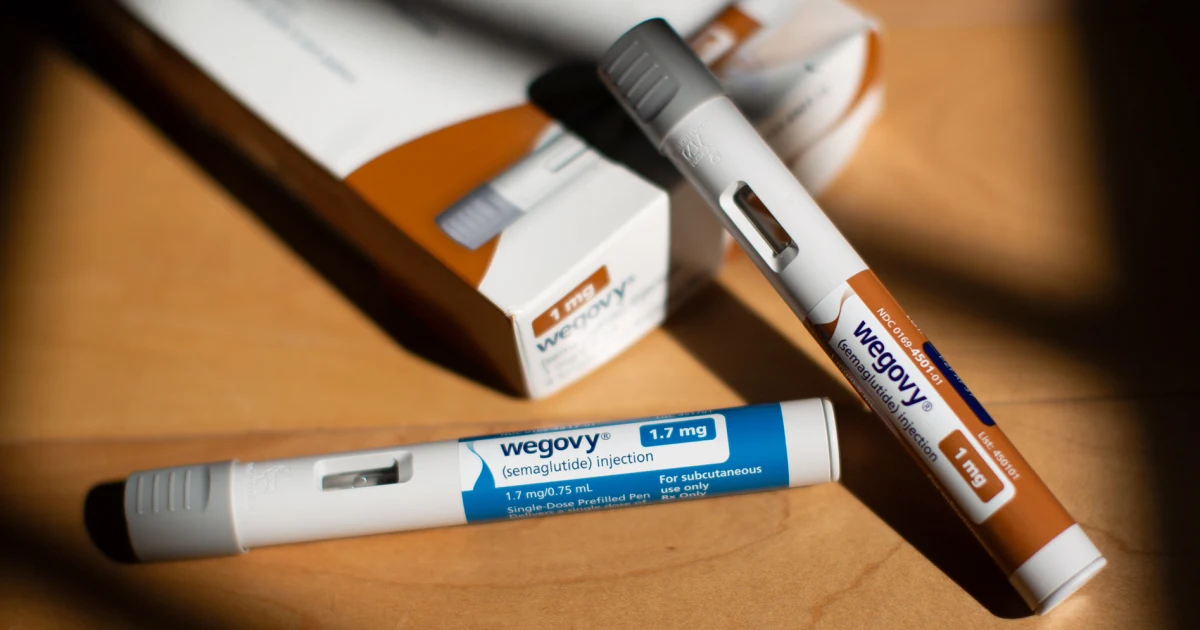
In a striking revelation, Jefferson Health’s CEO indicated that their spending on prescription drug coverage now eclipses expenditures on inpatient care. This trend has been largely driven by the increasing adoption of weight-loss medications such as Wegovy and Zepbound.
Shifting Financial Landscape in Prescription Drug Spending
Currently, Jefferson Health operates numerous hospitals across the region and manages its own insurance plan for approximately 65,000 employees. A decade ago, prescription drugs accounted for around 14% of Jefferson’s insurance expenditure, according to Caccione. Fast forward to last year, that figure has ballooned to an alarming 40%.
Significant Financial Losses Linked to GLP-1 Coverage
The insurance division of Jefferson Health experienced losses nearing $180 million in 2025, with about one-third attributable to the costs associated with GLP-1 drugs. The CEO reported that these financial strains forced the organization to lay off over 600 employees. In an effort to maintain budgetary control, the insurance plan now mandates employees to engage in lifestyle coaching programs prior to being eligible for GLP-1 drug coverage, saving the organization an estimated $20 million.
Persistent Challenges Despite Acknowledging Drug Benefits
While recognizing the potential benefits of GLP-1 medications, Caccione noted the significant pressure they place on healthcare systems. He voiced concerns about the sustainability of financing such treatments, stating, “We understand their value, but they add considerable stress to the system.” He emphasized the urgent need for more affordable pricing options.
Insurance Coverage for GLP-1 Drugs on the Decline
Jefferson Health’s challenges reflect a broader trend across the U.S. healthcare landscape, where rising demand for GLP-1 medications has led employers and insurers to reevaluate their coverage policies. A recent study by KFF revealed that many large employers are tightening access to these weight-loss drugs, forecasting that by 2025, only one in five companies with more than 200 employees will offer coverage, a noticeable decrease from previous years.
Increased Restrictions on Prescription Drug Access
Approximately one-third of employers targeting these medications now require workers to first attempt diet or lifestyle changes, a sharp increase from just 10% a year prior. Matt Ray, associate director at KFF, noted the escalating prescription drug costs have made a significant impact, adding that the speed of uptake for these treatments has been rapid and concerning to many employers.
The Long-Term Economic Debate Surrounding GLP-1 Drugs
Dr. Christopher McGowan, who runs a weight-loss clinic in North Carolina, highlighted the rise of short-term use of GLP-1 drugs and the off-label applications of diabetes medications for weight management. Despite some individual benefits, he cautioned that the potential burden on healthcare systems is considerable. Caccione elaborated on the mixed motivations among employees seeking to lose modest amounts of weight, recognizing the delicate balance between immediate solutions and long-term sustainability in healthcare financing.
Future Pricing and Coverage Solutions on the Horizon
Novo Nordisk recently announced plans to halve the list price of Wegovy to $675 starting in 2027, a move viewed as a necessary step toward alleviating some of the financial strain. However, Caccione believes this adjustment is still insufficient to resolve the growing costs associated with GLP-1 drugs.
Long-Term Health Benefits Versus Immediate Costs
As the debate over GLP-1 drugs continues, many are weighing the potential long-term economic advantages against immediate financial liabilities. The drugs are noted for their ability to reduce risks associated with serious conditions like heart disease and diabetes. Caccione remains hopeful yet pragmatic, questioning the affordability of these medications in the present. He succinctly captured the overarching concern, “Who’s going to pay for that $15,000 so I can save money in 10 years?” The dialogue around who bears that financial responsibility remains open and critical.
