


Chelsea’s Resilience Amidst Turmoil
Chelsea Football Club continues to defy expectations, demonstrating a unique ability to emerge victorious despite ongoing chaos. For over two decades, the club has faced numerous challenges—managerial burnout, questionable transfer policies, and discontent within the dressing room—yet they consistently find a way to secure trophies.
Remarkable Management Shifts Coincide with Trophy Wins
Since Roman Abramovich acquired Chelsea in 2003, the club has cycled through 20 permanent managers, including two long-term interim officials and three who served multiple terms, all while amassing an impressive total of 20 trophies—excluding the Community Shields and UEFA Super Cups. The juxtaposition of frequent managerial changes and trophy success raises eyebrows, particularly as the appointment of Callum MacFarlane as interim manager—following the sacking of Liam Rosenior—places him just one game away from potentially claiming his own trophy as the club’s 21st manager.
Performance Lacks Consistency Despite a Fight
MacFarlane’s initial game in charge showcased the team’s struggle for coherence on the pitch. The performance was lackluster and devoid of rhythm, failing to inspire confidence in MacFarlane’s long-term viability. However, a noticeable increase in fight and resilience marked a shift away from the resignation that had plagued the squad, signaling a step in the right direction.
Goalkeeping Issues Remain a Concern
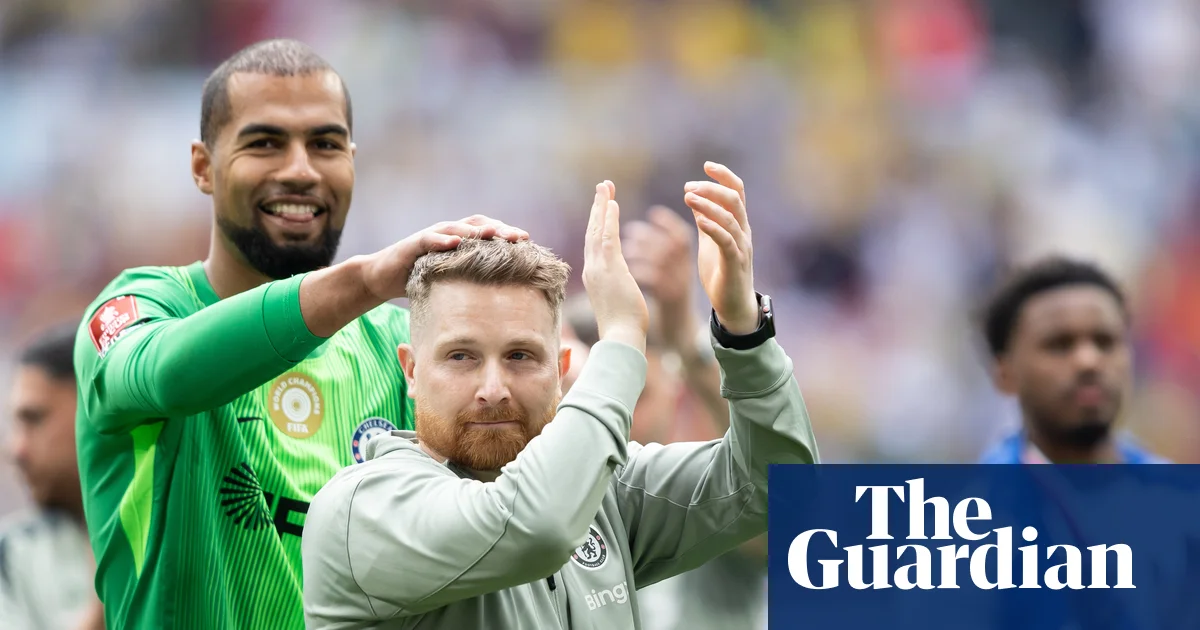
While Chelsea’s overall performance was far from impressive, standout moments emerged, particularly from goalkeeper Roberto Sanchez. His reflexive save against Brenden Aaronson was pivotal, underscoring how crucial strong goalkeeping has been to Chelsea’s success. Yet, inconsistent performances from the squad, not limited to Sanchez, raises questions about the team’s overall defensive solidity this season.
Struggling to Find the Net
In a notable breakthrough, Chelsea scored their first goal against a Premier League team in nearly eight weeks, with Enzo Fernandes netting the goal. This prolonged drought highlighted the ongoing struggles within the club, where a manager’s lifespan often feels fleeting. The suspension of Rosenior, due to his comments about living in Madrid, further complicated matters, adding tension to an already precarious situation.
Addressing Cynicism and Game Management Challenges
The match also illuminated broader issues within football, such as the tendency for teams to feign injuries to waste time, which undermines the sport’s integrity. Referee Jared Gillett faced challenges in managing Chelsea’s somewhat cynical approach, emphasizing a need for stricter regulations to uphold the value of fair play. Ifab’s focus on minor infractions like throw-in delays pales in comparison to addressing these more significant ethical concerns.
Bright Spots and Upcoming Challenges
Despite their struggles, Chelsea’s players appeared revitalized, shedding some of the burdens of their recent five-match Premier League losing streak. Analysts have theorized that their previous lack of performance stemmed from an interrupted pre-season and Rosenior’s push for a more intense playing style. Moving forward, with Manchester City awaiting in the upcoming final, Chelsea faces a daunting challenge but still holds the slim chance of ending the season with silverware—an ironic outcome for a team that has encountered significant hurdles.
The Paradox of Success Through Investment
This paradox has defined Chelsea for the past two decades: heavy investment in talent often yields unexpected success. While the club grapples with decisions that seem detrimental to long-term stability, the prospect remains that, with enough resources and a bit of fortune, trophies may continue to flow. This intricate dynamic raises fundamental questions about the nature of success in modern football and the role of managerial continuity.
