


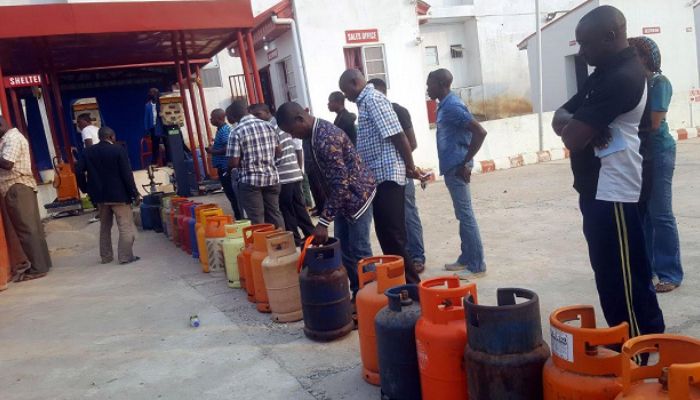
Cooking Gas Prices Remain Stubbornly High in Nigeria
The price of cooking gas in Nigeria continues to hover around N2,500 per kilogram, showing little sign of decline. This persistent challenge arises from a significant mismatch between domestic supply and increasing consumer demand, threatening to reverse years of progress in clean energy adoption and pushing countless households back to using firewood and charcoal.
The Market Squeeze and Rising Costs
Over the past three years, cooking gas prices have more than doubled, reflecting a market severely constrained by inadequate infrastructure, volatile foreign exchange rates, and an export regime that favors international buyers over local consumers. As a result, many households are being forced to reassess their cooking methods in response to the rising cost of living and ongoing inflation.
Households Turn Back to Traditional Fuels
Folake Afolabi, a resident of Agege, Lagos, shared her struggles: “We used to refill our 12.5kg cylinders every month, but now it’s just too expensive.” Many families across the nation are finding themselves in similar situations, opting once again for traditional cooking methods due to financial constraints. Olowokere, another affected resident, expressed his concerns over his asthmatic wife, saying he’s now compelled to buy smaller amounts of cooking gas while resorting to charcoal for the rest.
Rising Charcoal Sales Reveal Consumer Adaptation
Toheeb Agbiaka, an interior decorator based in Akure, Ondo State, remarked on the increasing trend of LPG retailers selling charcoal alongside cooking gas. “During my last visit to the gas station, I noticed the attendant now also sells charcoal,” he stated. “Many residents are buying charcoal to compensate for the limited gas they can afford.” The shift towards electric cookers is also on the rise, but it comes with its own set of challenges, particularly with the ongoing instability of the electricity supply.
Domestic Gas Supply Challenges Intensify
Data from the Nigeria Upstream Petroleum Regulatory Commission underscores the gravity of the situation: in the first two months of this year, 62 percent of the country’s total gas production was exported, leaving a mere 38 percent for the domestic market. Economists and industry experts argue that this supply imbalance is no longer sustainable for a nation where millions depend on liquefied petroleum gas for daily cooking needs.
Structural Changes Ahead but Not Enough to Lower Costs
Despite recent developments, including the integration of the Dangote oil refinery into Nigeria’s LPG supply chain, the additional production capacity has not significantly alleviated price pressures. A report forecasts considerable structural changes in the market from 2023 to 2026, shifting reliance away from imports toward domestic processing plants and NNPC-affiliated facilities. Yet, without adequate infrastructure improvements, price relief remains elusive.
Regulatory and Infrastructure Challenges Persist
The persistent weaknesses in Nigeria’s downstream energy sector are exacerbated by challenges such as pipeline vandalism, insecurity, and insufficient investments across the value chain. These factors further limit domestic gas availability, prompting many producers to favor export markets that offer more attractive pricing and stable foreign exchange earnings. With the current gas gathering and transportation network unable to meet domestic demand, consumers find themselves struggling to access sufficient supplies, leading to heightened financial burdens.
Urgent Call for Government Action
The Liquefied Petroleum Gas Dealers Association of Nigeria has raised alarm bells, declaring exorbitant depot prices that could further cripple retailers and escalate food inflation. They issued a call to the Ministry of Petroleum Resources, the NMDPRA, and NNPC Ltd for immediate actions to improve supply availability, increase domestic LPG quotas, and invest in essential distribution infrastructure. This crisis not only threatens the affordability of cooking gas but also jeopardizes Nigeria’s trajectory toward clean energy adoption, as households revert to less sustainable fuel sources amid rising costs.
