


Saudi Officials React to U.S. Navigation Plans Through Strait of Hormuz
Frustration among Saudi officials has emerged following President Donald Trump’s unexpected announcement regarding the U.S. plan to facilitate navigation through the Strait of Hormuz. Two U.S. officials have indicated that there are concerns this move might provoke further Iranian aggression against Saudi Arabia, escalating tensions in the Gulf region.
Operation Launched Without Key Allies’ Notification
According to NBC News, the U.S. initiated this operation without prior consultation with essential Gulf allies. In response, Saudi Arabia communicated its intent to restrict American forces from utilizing aircraft from Prince Sultan Air Base or Saudi airspace to support the operation, officials reported. Only 36 hours after its inception, President Trump suspended the operation, reopening airspace in the region.
Understanding Project Freedom
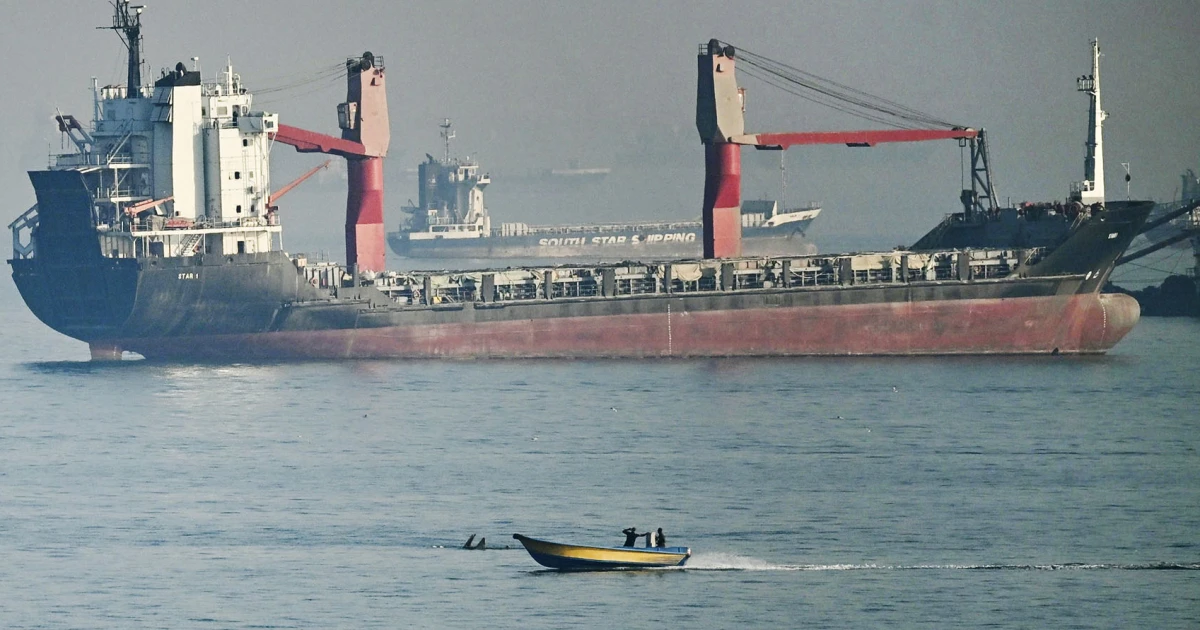
Project Freedom represents the Trump administration’s initiative to ensure traffic flow through the critical shipping lane, which has witnessed disruptions due to Iranian actions since the onset of the U.S.-Israel-led conflict. This operation was launched following a ceasefire on April 8 aimed at facilitating peace talks between the U.S. and Iran.
Saudi Arabia’s Oil Transport Capabilities
Unlike several neighboring countries, Saudi Arabia enjoys the advantage of transporting oil independent of the Strait of Hormuz. Its East-West Pipeline, extending 1,250 miles from the Persian Gulf to the Red Sea, allows the kingdom to export millions of gallons of oil daily, mitigating the impact of potential closures or hazards in the Strait.
Saudi Arabia’s Commitment to Diplomacy and Defense
Ambassador Raed Krimley, Saudi Arabia’s Deputy Minister of Public Diplomacy, emphasized the kingdom’s commitment to diplomatic resolutions while also affirming its right to self-defense alongside its Gulf partners. The balance of diplomacy and security remains a priority for Saudi officials as they navigate these complex regional dynamics.
Concerns Over Operation’s Risks
Officials have expressed apprehension regarding the manner in which Project Freedom was executed, describing it as potentially dangerous with the risk of escalation. Advanced warnings could have prevented what some officials termed a “catastrophic” military response. While the situation was resolved relatively swiftly, the gravity of the reactions highlighted ongoing tensions in the region.
Future of Project Freedom and Regional Response
The White House remains noncommittal about the potential resumption of Project Freedom, with senior officials indicating that all options are still on the table. Discussions regarding the effectiveness of this operation and its implications for Iranian aggression have taken precedence. U.S. military assets remain stationed in the Gulf, with some ships having completed navigation through the Strait even during the operation’s brief suspension.
Kuwait’s Stance on U.S. Military Support
Kuwait has indicated it will retract its support for U.S. military operations, including the use of bases and airspace, until President Trump revisits his strategy. The U.S. military designates such permissions as ABO—access, base, or overflight—essential for various flight operations. Given these developments, the future of regional military collaboration remains uncertain.
