


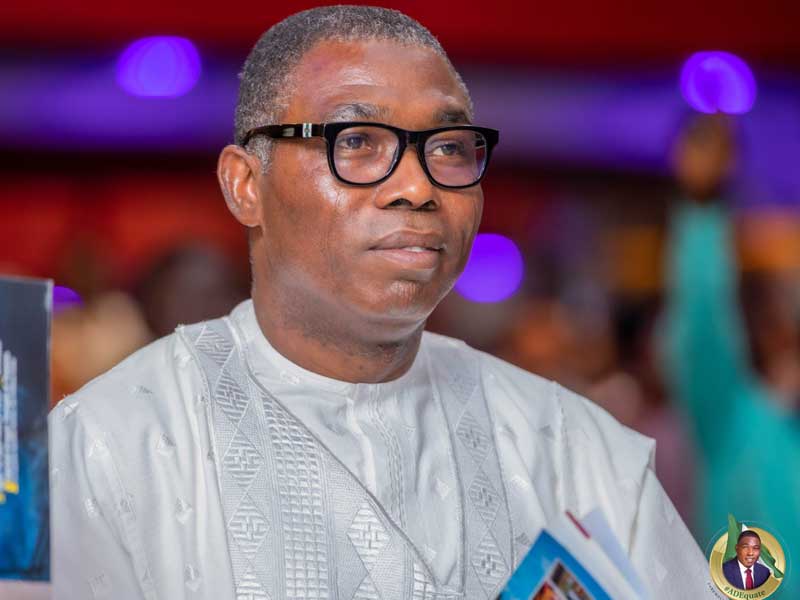
Emerging Leadership Amidst National Crisis
In Nigeria, where communities are frequently devastated by banditry, kidnappings, and mass violence, political responses often amount to little more than presidential statements and military pledges. Adewole Adebayo, leader of the Social Democratic Party (SDP), is carving a distinctly different path as a national leader. He emphasizes the importance of being physically present for his constituents during their most challenging times.
A Recognizable Presence in Grieving Communities
From Plateau to Oyo to Ekiti states, Adebayo has been conducting a series of condolence visits that many of his supporters are interpreting as actions befitting a “president-elect.” He doesn’t merely discuss issues of insecurity; he actively engages with grieving communities, providing comfort, instilling hope, and reinforcing that they are not forgotten.
Participatory Leadership Philosophy
Central to Adebayo’s approach is a philosophy he champions wherever he travels: “Democracy is about participation, not debate.” He believes that effective leadership extends beyond speeches in Abuja or carefully crafted governmental declarations. For Adebayo, true governance involves immersing oneself in the pain, fear, and hardships experienced by ordinary Nigerians. This conviction is the driving force behind his extensive nationwide visits of condolence and solidarity.
Engaging with Local Communities in Crisis
In Anwa Rukuba, Plateau State, following a devastating nighttime attack, Adebayo transcended merely issuing statements of sympathy. He visited the affected areas to console mourning families, listened to their stories, and offered financial assistance. “The people of this region are sad and devastated, but they have no intention of leaving this land. Even if the government fails, God remains responsible,” he observed.
A Critique of Current Governance
Adebayo’s words resonated with both empathy and frustration—compassion for the victims and anger directed toward what he perceives as systemic governance failures. He posits that the assailants terrorizing communities across Nigeria do not possess any greater power or intelligence than state institutions. The persistence of security threats, he argues, stems from a lack of prioritization in justice and the welfare of citizens by their leaders.
Direct Accountability in Political Discourse
Adebayo’s message continued to gain traction during his visit to Ibadan, Oyo State, where he met with Governor Seyi Makinde amidst rising incidents of kidnappings. He did not shy away from attributing blame to President Bola Ahmed Tinubu for failing to provide adequate security. “President Tinubu has failed in his duties as commander-in-chief,” Adebayo stated, underpinning his philosophy that the presidency should be an engaging role rather than a distant one.
Grappling with Insecurity and Leadership Morality
During his visit to Eda Oniyo in Ekiti State, following a violent attack and the kidnapping of congregants, Adebayo again reached out to victims, decrying the ongoing violence and the fear it instills in citizens. He articulated that the attacks are indicative of a broader failure of governance, advocating for a rebuilding of the Nigerian state focused on safeguarding lives and property. For Adebayo, insecurity represents not only a governmental issue but a moral litmus test for leadership.
A Contrast in Leadership Approaches
While President Tinubu also condemned the violence and announced military operations in various affected regions, critics have pointed out that the federal response has grown increasingly routine: promises without effective follow-through. After Tinubu expressed condolences for the recent atrocities in Benue State, Adebayo criticized him for not visiting the sites of violence in person and lamented the perceived politicization surrounding these visits. He contended that condolences should not be ceremonial but rather an opportunity for leaders to genuinely share in the grief of their constituents.
A Vision for Future Leadership
When asked about his potential presidency, Adebayo emphasized his commitment to being an accessible leader, who prioritizes security issues and physically engages with the populace. “This is what I will do as president: address security and be present with the people,” he asserted, aiming to embody a leadership style rooted in empathy and direct involvement. As he positions himself for the 2027 elections, Adebayo portrays an image of a leader who values visible engagement with citizens, striving to bridge the growing divide between political figures and the communities they serve.
