


Costa Rica’s Catholic Church Raises Concerns Over Migrant Agreement with the U.S.
Costa Rica’s Catholic Church has voiced significant concerns regarding a new agreement between the Costa Rican government and the United States. This arrangement will see the Central American nation accepting up to 25 migrants weekly who are being deported from the U.S.
First Flight Arrives at San José
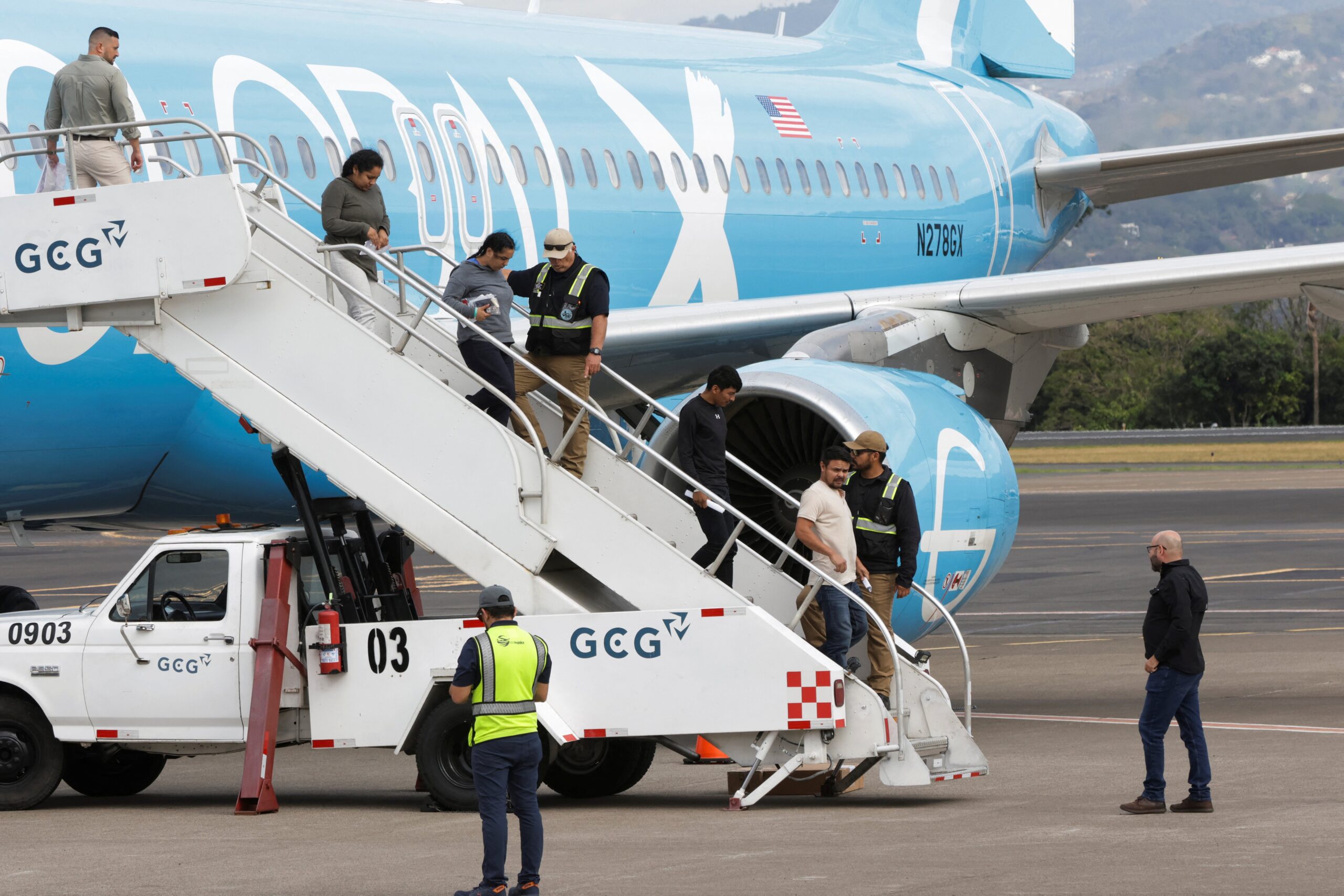
The first group of deportees, representing various nationalities including Albanian, Cameroonian, Chinese, Guatemalan, Honduran, Indian, Kenyan, and Moroccan, arrived at Juan Santamaria International Airport in San José on April 11, as confirmed by Costa Rica’s Immigration Directorate.
Details of the Agreement
A memorandum of understanding, signed in March by then-President Rodrigo Chávez—who resigned on May 7—along with U.S. representative Kristi Noem, stipulates that Costa Rica will regularly host third-country nationals. These groups will be accommodated in hotels, where they will spend their initial week under the supervision of the International Organization for Migration, while the long-term management of these migrants remains unclear.
Church’s Non-Involvement in the Process
Auxiliary Bishop Daniel Blanco Méndez of San José expressed disappointment that the church was not consulted prior to the agreement’s signing. As the head of the Pastoral Ministry for Human Mobility at the Costa Rican Bishops’ Conference, he emphasized the church’s capacity to assist the government on migration matters.
Support Services Offered by Catholic Organizations
Catholic organizations play a crucial role in addressing migration challenges. They provide support not only to those traveling northward to the U.S. but also to individuals returning to their home countries after facing issues with U.S. immigration authorities. Bishop Blanco noted that the church could facilitate not just spiritual assistance but also practical resources like immigration centers and temporary shelters.
Concerns Over Past Experiences
The Ministry of Human Mobility and Pastoral Affairs has raised concerns based on previous experiences. In 2025, nearly 200 foreign nationals were flown in from the U.S. and placed in Temporary Migrant Care Centers (CATEM) in a remote area near the Panama border. Father Gustavo Meneses Castro, secretary general of the Pastoral Ministry, highlighted how these individuals were effectively detained for two months until a court ruled the situation unconstitutional, prompting many to return to their home nations or migrate to third countries.
Questions About Integration Capacity
The church is skeptical about Costa Rica’s readiness to effectively integrate such a diverse population. Father Meneses argued that the government lacks the resources to provide adequate support, particularly regarding language barriers. Additionally, he flagged concerns about the dangers involved in returning individuals to their home countries without understanding the situations they might encounter upon arrival.
Navigating the Complex Migration Landscape
The church also pointed out the absence of integration programs for those who wish to remain in Costa Rica. While the government has promised a special system for processing refugee status and temporary work applications, the reality is that immigration authorities are already overwhelmed with applications, primarily from Nicaraguans and Venezuelans. Father Meneses indicated that a scheduled meeting for discussions with migration officials was canceled last month, further complicating the dialogue.
Commitment to Human Dignity
On April 6, the Ministry of Pastoral Affairs released a statement emphasizing that all migration policies should uphold human dignity and fundamental rights. It stressed the importance of ensuring “dignified conditions of reception with support, safety, and welfare.” As Bishop Blanco succinctly noted, the Gospel teaches the importance of welcoming strangers, underscoring a call for compassion in the face of challenging migration scenarios.
Future Dialogues with Political Leadership
Bishop Blanco remarked that the President-elect, Laura Fernández, has engaged with the Bishops’ Conference and remains open to further dialogue with church leaders. This willingness to collaborate signifies a potential pathway for the church’s involvement in shaping effective migration policies in Costa Rica.
