


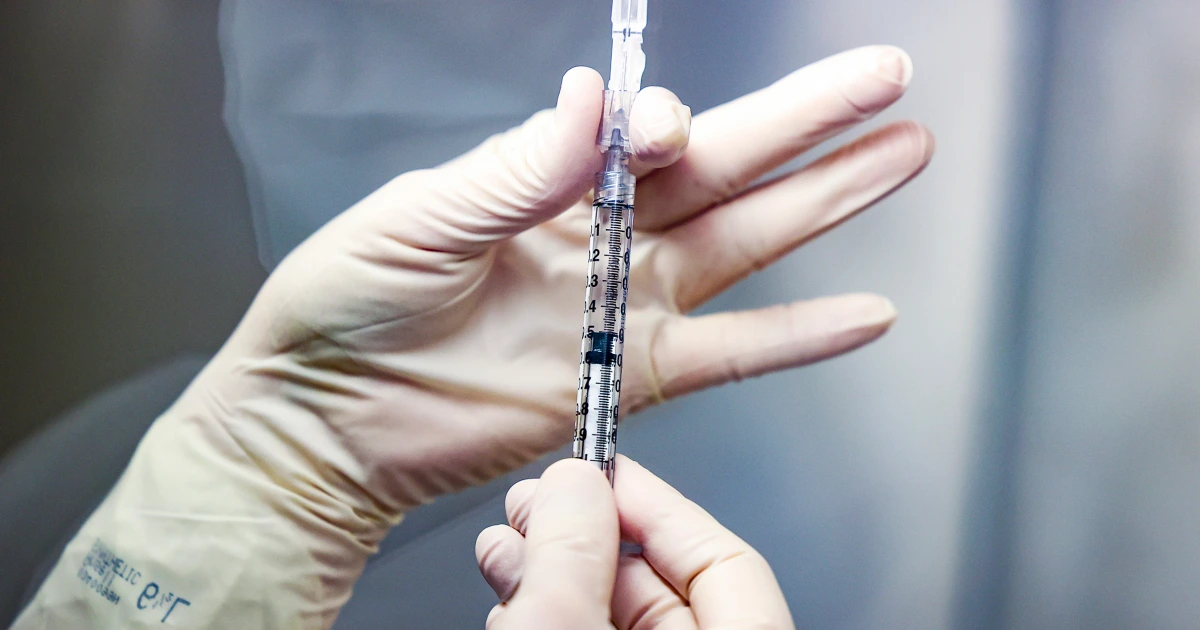
Moderna’s Experimental Vaccine Shows Promise Against Melanoma Recurrence
New findings from a clinical trial suggest that Moderna Inc.’s experimental vaccine may significantly reduce the risk of melanoma recurrence. The study, presented at the American Society of Clinical Oncology’s annual meeting, highlights that the personalized mRNA vaccine cut the recurrence risk in half over five years. These results were also published in the Journal of Clinical Oncology.
Statistics on Melanoma Recurrences
As the most lethal form of skin cancer, melanoma poses a grave risk to patients, with nearly 50% experiencing a recurrence within five years post-treatment. According to Dr. Janice Mehnert, director of the Melanoma and Skin Oncology Program at NYU Langone Health and senior investigator of the trial, current treatments are far from perfect and relapse remains a significant challenge.
Trial Structure and Results
The trial involved 157 participants diagnosed with at least stage 3 melanoma, which indicates that the cancer has spread to nearby lymph nodes or skin, increasing the risk of recurrence even after surgical intervention. Out of these, 50 individuals underwent standard treatment, including surgery and immunotherapy with pembrolizumab (Keytruda), while an additional 107 received personalized vaccines tailored to their tumors. Notably, around 70% of participants who received the vaccine were cancer-free after five years, compared to only 49% in the standard treatment group. Furthermore, the vaccine reduced the risk of cancer spreading by nearly 60%.
Mechanism of Action
Surgery remains the primary treatment option for melanoma, primarily aimed at removing the complete tumor; however, undetectable cancer cells often linger within the body, necessitating additional treatments. Mehnert and her research team from both the U.S. and Australia explored the efficacy of personalized vaccines in enhancing patient outcomes. These vaccines work by training the immune system to recognize and eliminate any residual cancer cells that may arise.
Personalized Vaccine Development
Each vaccine is crafted using genetic material derived from a patient’s tumor, enabling the identification of unique proteins on the cancer cell surface, known as neoantigens. These act as targets, guiding the immune system’s T cells to launch an attack. In this trial, the vaccines were designed to identify 34 of the most prominent neoantigens believed to serve as effective targets. After preparation, usually taking four to six weeks post-surgery, patients received up to nine doses of the vaccine, scheduled approximately three weeks apart, and matched with the immunotherapy regimen.
Significance of the Findings
Experts are optimistic about the implications of these trial results. Jeff Koller, a professor of RNA biology and RNA therapeutics at Johns Hopkins University, noted that the findings align with expectations, emphasizing the training of the immune system to detect tumor signs long after removal. Additionally, this mRNA vaccine represents a promising avenue for tackling other forms of cancer, such as pancreatic cancer, with early-stage trials also indicating a reduced recurrence rate.
Future Directions and Potential Impact
Moderna’s work on melanoma vaccines predates the COVID-19 pandemic, but recent advancements in mRNA technology have invigorated this field. The ongoing large-scale phase 3 trial, involving around 1,000 patients and expanding to European sites, aims to establish clearer correlations between personalized mRNA vaccines and decreased melanoma recurrence risk. Initial five-year data from the trial is encouraging, indicating that patients whose cancer remains in remission are likely to experience enhanced immune responses post-vaccination.
Moving forward, there is hope to develop personalized vaccines within three to four weeks following surgery, enabling earlier treatment interventions. If the large-scale trials reinforce these promising outcomes, experts believe it could signal a transformative shift not only for melanoma but also for a broader spectrum of cancers.
