


Bureaucratic Struggles Impact Nigeria’s Infrastructure Development
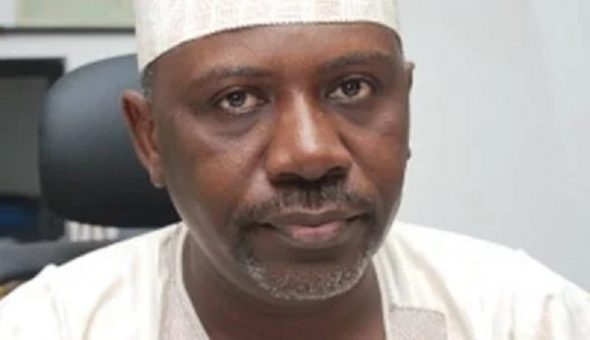
Alhaji Bukar Goni, the former Head of the Federal Civil Service, disclosed on Tuesday that ongoing inter-ministerial conflicts within Nigeria’s federal bureaucracy have obstructed the integration of railway components into the Second Niger Bridge project. He labeled this scenario as a prime example of the lack of cooperation among government agencies.
Goni shared these insights during the Nigerian Civil Service Lecture and Award Ceremony in Abuja, held in recognition of United Nations Civil Service Day. The event, organized by the Bureau for Public Service Reform (BPSR), carried the theme “Transforming public institutions: promoting innovation, participation, and inclusion.”
Highlighting the negative consequences of bureaucratic resistance, Goni emphasized that fragmented interagency collaboration continues to impede national development and the delivery of effective public services. His remarks reflect a broader concern over these structural weaknesses contributing to operational inefficiency.
In another illustration of bureaucratic disconnect, Goni pointed out the issues regarding the bridge’s height over the Niger River. The Ministry of Works sought crucial information from the Ministry of Water Resources to assess dredging activities and the types of vessels navigating the waterways—information critical for determining an appropriate bridge elevation. However, the response was again dismissive, reinforcing the challenges of silos within governmental operations.
Goni warned that such organizational barriers not only stifle innovation but also hinder Nigeria’s overall development. He called on the Department of Public Service Reform and the Office of the Chief of Services to establish stronger coordination mechanisms to address these challenges. He drew parallels with the security sector, arguing that similar coordination deficits among public institutions greatly undermine national achievements.
Highlighting the critical nature of cooperative governance, Goni insisted that the uncoordinated efforts among military branches symbolize a broader issue within public service delivery—stressing the necessity for a unified governmental approach to effectively address national issues.
The Second Niger Bridge—officially named the Muhammadu Buhari Second Niger Bridge—was inaugurated by former President Muhammadu Buhari on May 23, 2023. This vital 1.6-kilometer structure connects Asaba in Delta State with Onitsha in Anambra State, enhancing transportation links between the South-East and the rest of Nigeria. Set to ease congestion on the aging previous bridge, it is expected to improve regional connectivity significantly.
Dasuki Alabi, the Director-General of BPSR, noted that calls for more responsive and transparent public services have intensified. He elaborated on the reforms aimed at addressing institutional weaknesses and enhancing public trust in the government, emphasizing the importance of innovation and inclusion in governance transformation.
Alabi also highlighted various initiatives such as the Treasury Single Account, Integrated Personnel and Payroll Information System, and digital public financial management reforms as stepping stones toward modernizing public service operations. He made an urgent appeal for reforms that benefit all segments of society, including marginalized groups, to realize true national developmental goals.
Mrs. Didi Esther Wolson Jack, Permanent Secretary of the Department of Public Service, echoed this sentiment on behalf of the Civil Service Directors, urging civil servants to remain dedicated to innovation and tangible results. She underscored that enhancing public service performance is vital for legitimizing governmental authority and instilling confidence among citizens.
Governor Inuwa Yahaya of Gombe State, represented by Professor Muazu Usman Shehu, emphasized that federal reforms must resonate at the state level for lasting impact. He pointed out Gombe State’s initiatives aimed at strengthening governance, such as the establishment of a Public Service Reform Authority and the implementation of a biometric attendance system to combat absenteeism among civil servants.
