


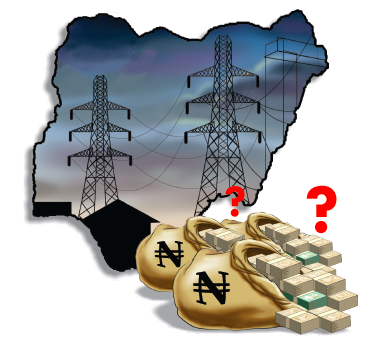
Mambilla Hydropower Project Represents a Legacy of Wastefulness
Initiated in 1972 under the military government of General Yakubu Gowon, the 3,050 MW Mambilla hydropower project in Taraba State was intended to be a crucial solution to Nigeria’s ongoing power shortages and a catalyst for economic development. Yet, more than five decades and nearly $1 billion invested in feasibility studies, consultancy hires, and preparatory work later, the project has become mired in bureaucratic red tape. It faces numerous challenges, including corruption, mismanagement, legal entanglements, and other structural delays, turning it into yet another example of inefficiency in Nigeria’s development initiatives.
Corruption Case Highlights Systemic Issues
Recently, former Minister of Power Saleh Mamman was convicted of corruption and sentenced to 75 years in prison. The Economic and Financial Crimes Commission (EFCC) charged him with 12 counts of money laundering and misappropriation of N33.8 billion allocated for both the Mambilla and Zungeru hydropower projects. Despite going into hiding after his conviction, he was apprehended last week, with authorities releasing photographs of him in handcuffs.
A Political Aspirant’s Dreams Dashed
Interestingly, as these charges were unfolding, Mamman was concurrently running for governor of Taraba State under the All Progressives Congress (APC) in anticipation of the 2027 elections. His aspirations may now be permanently shattered. Notably, Mamman faced dismissal from his post by the late President Muhammadu Buhari in 2021, a mere two years into his term. His conviction has reignited discussions about the root causes behind the ongoing failures in Nigeria’s power sector and the ailing $5.8 billion Mambilla project.
Broader Governance Failures Highlighted
The Mambilla project exemplifies deep-rooted issues of transparency, accountability, and governance within Nigeria’s public sector. This is reminiscent of the $460 million Abuja CCTV camera project, which fell dormant after securing loans from China, as well as the long-neglected Ajaokuta steel project that has drained resources for years. The Mambilla hydropower initiative, comprising four dams and two metro stations, has received substantial financial allocations from successive governments, yet it remains dormant, contributing nothing to the national grid.
Legal Battles and Delayed Progress
After enduring prolonged delays, the project was formally awarded in 2003 during former President Olusegun Obasanjo’s administration. Yet, it has stagnated amidst various disputes, changing contractors frequently. In contrast, Sudan successfully constructed a 1,250 MW hydropower project amidst conflict in just five years. Mambilla’s build-operate-transfer (BOT) contract was awarded to Sunrise Power Transmission and Procurement Company, which was later exposed as a proxy for a foreign entity.
Complex Legal Ramifications
In an apparent effort to sideline the struggling Sunrise Corporation, the federal government decided to directly engage Sinohydro Corporation for new civil engineering contracts. In response, Sunrise filed a lawsuit against Nigeria and Sinohydro Corporation Limited for breach of contract at the International Court of Arbitration in Paris. This ongoing settlement process may take years and involve costly negotiations, contributing to the national frustration over the project’s failure to address power shortages. Furthermore, the initiative currently lacks attention from the present administration.
Widespread Implications of Energy Poverty
The Mambilla project’s setbacks have wider ramifications; in a 2021 report, the World Bank declared Nigeria the lowest performer globally in providing reliable electricity, leaving 85 million citizens unconnected to the grid and leading to losses of approximately $26 billion annually. Projections indicate that these losses could escalate to $29 billion by 2025, according to the National Independent Power Producers Forum (NIPPF).
The scarcity of reliable electricity severely hampers access to essential services such as healthcare and education, disproportionately affecting the majority of Nigerians. Small and medium-sized enterprises are often crippled by the exorbitant costs of self-generated power, while larger industries, especially those in manufacturing, suffer substantially due to energy deficiencies persistent throughout the economy.
Despite the critical need for infrastructural reform to foster economic growth, many entrusted with revitalizing Nigeria’s power sector appear more concerned with personal gain than public welfare. While the arrest of individuals like Mamman signals a push for accountability, the issues surrounding Mambilla and other corruption scandals are symptomatic of a broader culture of malpractice within Nigeria’s public sector. Regrettably, efforts to prosecute corrupt officials have yet to deter ongoing and future corrupt practices, suggesting a need for a comprehensive review of how corruption is addressed within the public sector.
