


Deadly Hantavirus Outbreak Aboard Cruise Ship Approaches Tenerife
Tenerife, Spain — The cruise ship at the center of a deadly hantavirus outbreak is set to arrive off the coast of Tenerife Island early Sunday, initiating the process of returning affected passengers to their home countries.
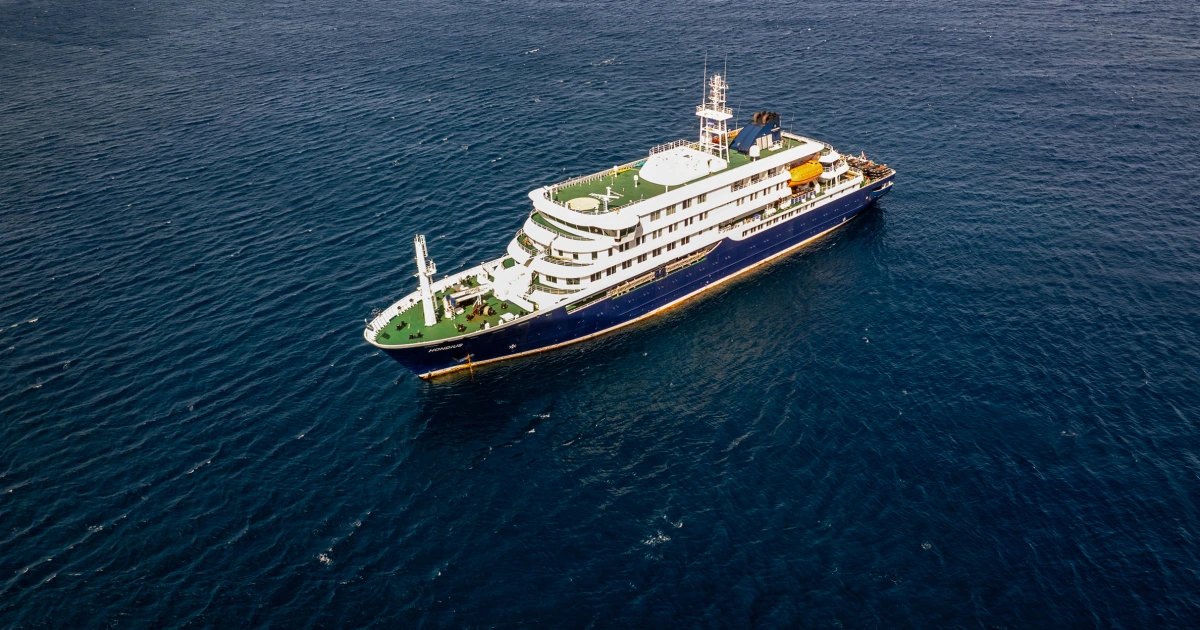
The MV Hondius became visible from the Granadilla port at approximately 5:30 a.m. local time (12:30 a.m. ET) on Sunday. Authorities had established a medical tent overnight to facilitate the arrival of passengers.
On Friday, the World Health Organization confirmed that six passengers aboard the Hondius had contracted hantavirus, while an additional two were suspected cases. Tragically, three individuals lost their lives, two of whom died while still on the ship.
Dr. Maria Van Kerkhove, the WHO’s head of infectious diseases and pandemic preparedness, stated that all asymptomatic passengers would be ferried to shore on small boats for health assessments before boarding flights home after disembarking.
The 17 American passengers remaining on the Hondius have been flown back to the United States and will undergo observation at the National Quarantine Unit, which specializes in treating highly infectious diseases at the University of Nebraska Medical Center in Omaha. Nebraska Medicine’s CEO, Dr. Michael Ash, expressed confidence in their preparedness for such situations.
Governments from Spain, the UK, and France are coordinating efforts for the safe return and quarantine of their nationals still on board the ship.
Journey Continues Amid Health Concerns
The Dutch-owned MV Hondius will continue its five-day voyage to Rotterdam, Netherlands, accompanied by crew members and some personal luggage belonging to passengers, according to cruise company Oceanwide Expeditions. Spain’s Health Minister, Monica García, mentioned that the bodies of the deceased would remain on board and be disinfected in the Netherlands.
Health officials have reassured the public that the risk to the wider population, including residents of Tenerife, remains low. WHO Director-General Tedros Adhanom Ghebreyesus emphasized the importance of vigilance while also alleviating fears about the likelihood of further outbreaks in a message directed to the residents of Tenerife.
Dr. Tedros noted, “The pain of 2020 is still real, but this is not another coronavirus. The current public health risk from hantaviruses remains low.” He reiterated that infection occurs primarily through contact with rodents, particularly when exposed to rodent excretions. The initial case of infection indicated possible exposure during bird watching activities.
Of the numerous hantaviruses, only the Andes strain, associated with the Hondius outbreak, is known for human-to-human transmission. This particular strain requires close contact for transmission, according to the WHO.
Timeline of Events and Health Responses
On May 2, a month after departing from Ushuaia, Argentina, the WHO was alerted to a cluster of passengers exhibiting severe respiratory illness while aboard the ship. At the time, there were 147 total passengers and crew, with 34 having left the ship prior to the outbreak.
This report follows the death of a Dutch man aboard the ship on April 11, whose cause of death was initially attributed to unknown factors with no immediate evidence of infectious disease. His wife subsequently died on April 26 while receiving treatment in South Africa. The third reported death involved a German female passenger on May 2, adding to the growing concerns for health officials.
Just two days later, the cruise company confirmed that one of the passengers had tested positive for hantavirus after being medically evacuated to a South African hospital. The WHO has noted that hantaviruses can have fatality rates ranging from 40% to 50%, particularly affecting older individuals, which is significant considering the average age of passengers aboard the Hondius is 65.
This health crisis highlights the ongoing challenges posed by emerging infectious diseases, reminding the global community of the continued importance of surveillance and response strategies in our interconnected world.
Phil Helsel reported from Los Angeles, with contributions from Daniele Hamamdjian and Mo Abbas in Tenerife.
