


Deportation Experience: A Harrowing Reality for DACA Recipients
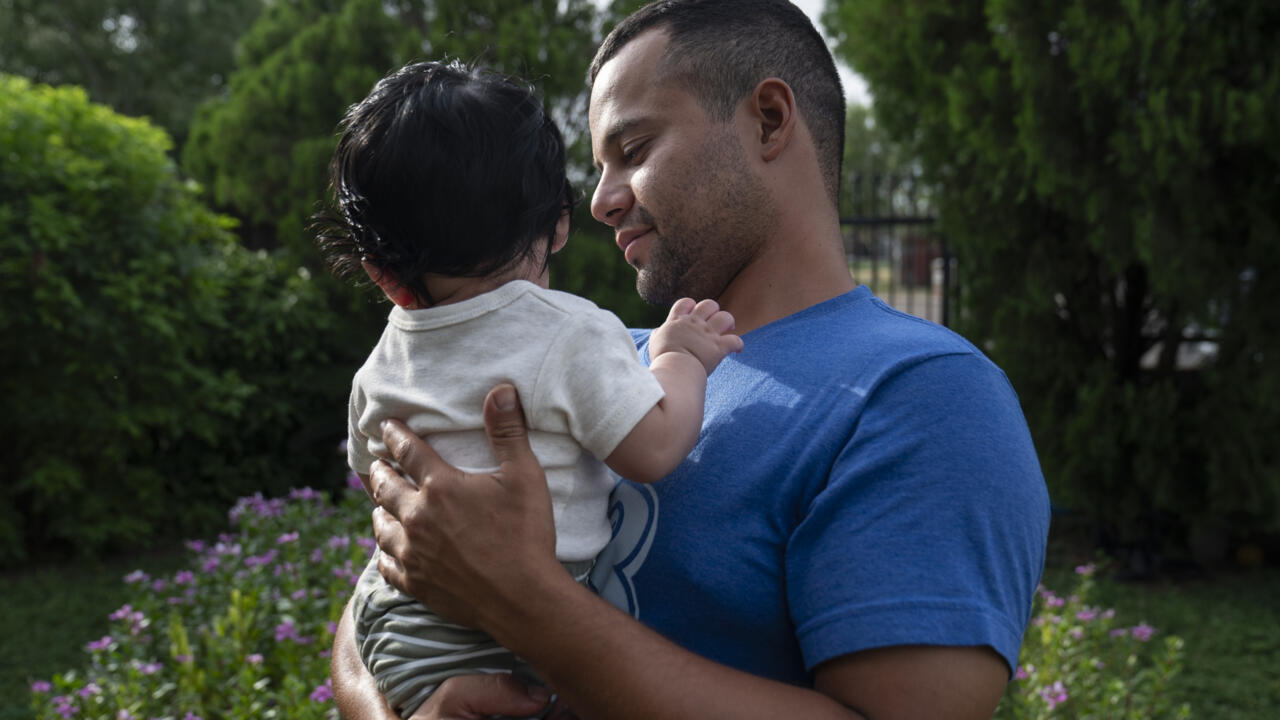
When Jose Contreras learned he would be deported, he was disheartened by the reaction of officials during his immigration hearing. He had requested an extension due to his wife expecting their first child, but his plea was met with laughter. It was a moment that left him feeling isolated and bewildered, as he recounted to AFP, “They looked at me as if I had a third eye.” Incredibly, he was deported to Honduras the same day, ultimately spending 118 days away from his family before returning home.
Contreras is among hundreds entangled in what many deem a tragic chapter of President Donald Trump’s aggressive approach to immigration enforcement. Individuals like him arrived in the U.S. as minors but have not obtained citizenship or permanent residency, yet the United States is the only home they have known.
Many of these individuals should benefit from a program known as DACA (Deferred Action for Childhood Arrivals), launched in 2012. DACA aims to shield these individuals from deportation, allowing them to live and work in the U.S. while they attempt to secure a more stable immigration status. Government statistics indicate that around 500,000 people, commonly referred to as “Dreamers,” fall under this protection.
However, according to the nonprofit organization Home Is Here, there has been a troubling trend under the Trump administration, which reportedly arrested at least 343 DACA recipients and deported at least 86 of them. On January 2, Contreras found himself handcuffed at an immigration hearing and promptly placed on a plane back to Honduras, missing the birth of his son, who arrived in Texas at the end of February.
Contreras expressed his anguish, stating, “I lost it. I fell to the ground and cried because I wasn’t going to not be there for my son.” This emotional turmoil reflects the broader devastation faced by countless families as they navigate an increasingly hostile immigration system.
Stories of Fear and Injustice
The plight of 42-year-old Maria de Jesús Estrada further highlights the distressing experiences DACA recipients face. After arriving in the U.S. at 15, life took a drastic turn when she attended an immigration hearing with her daughter. Upon entering a room filled with six immigration officers, she was taken aback when instructed to place her hands behind her back. Overwhelmed, she pleaded for a moment to hold her daughter, showcasing the emotional strain of sudden separation.
In both Contreras’s and Estrada’s cases, U.S. courts ultimately determined that their deportations were illegal, leading to their eventual return home. Their experiences underscore the challenges posed by current immigration laws and policies. Stacey Tolchin, an attorney representing both individuals, described their situations as indicative of a troubling trend of illegal and inhumane practices by the administration.
Despite efforts by the Trump administration to dismantle DACA entirely during his first term, judicial intervention has temporarily staved off such changes. Advocacy groups, like FWD.us, have expressed concern over how the current administration is now effectively undermining DACA through delays, denials, detentions, and deportations.
The Human Cost of Immigration Policies
Jessica Trevino, another DACA recipient who emigrated from Mexico at the age of seven, faced significant challenges as well. In a disturbing encounter that garnered widespread attention, agents were seen using force against her husband. As both were deported to Mexico in March, their three children remained behind, now in the care of relatives.
Trevino articulated her displacement poignantly, stating, “I wasn’t born in the United States, but I’ve lived here all my life.” Her narrative, along with those of Contreras and Estrada, reflect the deep and personal impact of U.S. immigration policies, raising urgent questions about the future of DACA and the welfare of countless families caught in the crossfire.
