


Nigeria’s Creative Industry Advocates Responsible AI Integration
Stakeholders from Nigeria’s creative sectors are urging for the careful implementation of artificial intelligence (AI), emphasizing that it should enhance, rather than replace, human creativity. This consensus emerged during a three-day international conference organized by the Directors Guild of Nigeria (DGN) in Enugu.
Conference Explores AI’s Role in African Storytelling
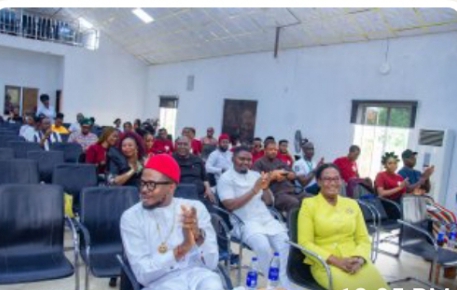
The event, titled “Artificial Intelligence, Technology and the Future of Storytelling in Africa,” attracted a diverse group of participants, including academics, filmmakers, media experts, technology enthusiasts, students, and industry stakeholders from both Nigeria and abroad. The discussions focused on evaluating the opportunities and challenges that AI introduces to African storytelling and its broader creative economy.
Partnership Between Technology and Human Creativity
In a communiqué released at the conclusion of the conference, attendees underscored that the evolution of Africa’s narrative landscape relies on a fruitful collaboration between human creativity and technological advancements. There was a strong emphasis on embracing AI as a tool that complements rather than diminishes cultural expression, imagination, and artistic insight, which form the bedrock of authentic African narratives.
The Potential of AI in Creative Industries
The communiqué noted the need to approach AI as a beneficial technological development capable of amplifying creativity, fostering productivity, broadening access to knowledge, and creating fresh opportunities for filmmakers, academics, artists, and media professionals across Africa. Participants urged for a shift in perspective, advocating that countries harness AI as a driver of innovation rather than viewing it as a threat to job security.
Ethical Implementation and Investment in Infrastructure
Experts emphasized that the integration of AI into creative fields should adhere to clear ethical guidelines. They called for investments from governments, educational institutions, and professional organizations in digital infrastructure, AI literacy, and technical skills development to support this vision. The need for ongoing reskilling and the emergence of new roles propelled by technology was also highlighted.
Research and Preservation of African Heritage
The communiqué urged researchers and practitioners to deepen their understanding of the social, ethical, legal, cultural, and economic impacts of AI, particularly concerning African storytelling, heritage conservation, and digital content production. Participants expressed the necessity of preserving traditional storytelling practices while also welcoming responsible innovation to ensure African creatives remain competitive in a fast-evolving global digital landscape.
Key Insights from Industry Leaders
Professor Hyginus Ekwazi from Pan-Atlantic University delivered the keynote address, analyzing the evolution of storytelling technologies and encouraging African creators to adopt innovation without diluting the authenticity and originality of their stories. In his introductory remarks, Professor Afam Icha Ituma, Vice-Chancellor of Coal City University, reinforced the university’s commitment to collaborative research and the need for higher education institutions to lead in exploring the implications of emerging technologies like AI on Africa’s creative economy.
Engagement and Discussions on the Future of Creativity
The conference featured a variety of presentations and panel discussions that covered AI’s impact on filmmaking, digital media, documentary production, photography, creative education, virtual production, ethics, and cultural identity. The engagement demonstrated a shared commitment among participants to navigate the intersection of art and technology while maintaining the integrity of African storytelling.
