


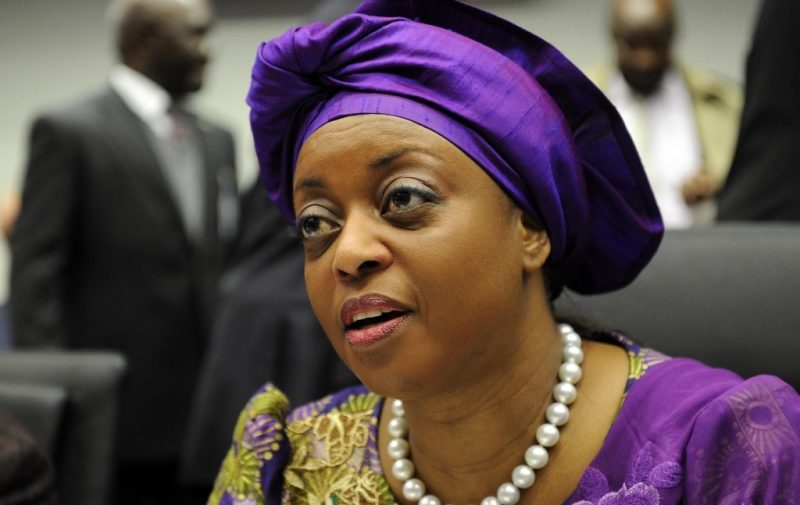
Former Nigerian Oil Minister Addresses Contract Authority in Corruption Trial
Diezani Alison Madueke, Nigeria’s former oil minister, testified on Wednesday at Southwark Crown Court, asserting her limited direct authority over the awarding of oil contracts during her time in office. On the 18th day of her trial, she described her role as largely procedural within a complex bureaucratic framework.
Alison Madueke explained that decisions regarding contracts were typically processed through multiple agencies before they reached her desk, emphasizing that selections were often finalized prior to her involvement. She indicated that the ultimate operational authority within Nigeria’s petroleum sector primarily resided with the Group Managing Director of the Nigerian National Petroleum Corporation (NNPC), with her ministry’s role being more supervisory in nature.
Complexity of Nigeria’s Oil Industry Limits Ministerial Oversight
Highlighting the challenges of direct control, Alison Madueke noted the size and complexity of Nigeria’s oil industry, which encompasses thousands of workers, numerous oil fields, and various institutions operating under diverse structures. “It was not a one-man state,” she stated, indicating the impracticality of centralized authority.
Background of the Indictment
In 2023, the former minister was indicted on five counts of bribery and one count of bribery conspiracy, with charges stemming from oil and gas contracts awarded between 2010 and 2015, during her tenure as oil minister. Alison Madueke also served as the Chair of the Organization of the Petroleum Exporting Countries (OPEC) from 2014 to 2015. After the defeat of the Peoples Democratic Party in Nigeria’s 2015 presidential election, she relocated to the UK, where she faces multiple corruption cases. Some of these cases have been stalled due to her absence, while a Nigerian court has ordered the forfeiture of billions of naira worth of assets linked to her.
Reports have emerged detailing her lavish lifestyle in the UK, allegedly financed by various Nigerian oil contractors. Prosecutors claim that Nigerian businessmen incurred extravagant expenses on her behalf, including over £2 million at Harrods and approximately £4.6 million spent on property renovations in London and Buckinghamshire. Some of these transactions were reportedly made using payment cards associated with businessman Kolawole Aluko and his company, Tenka Limited.
Defense Against Corruption Charges
Alison Madueke’s defense claims that only 1 to 2 percent of contracts were rejected during her tenure and that intervening in already approved deals is unusual and politically sensitive. She recounted an instance from 2014 where she attempted to terminate a contract involving businessman Igo Sanomi after receiving a whistleblower’s complaint but faced significant resistance, including a complaint filed with then-President Goodluck Jonathan. She further addressed the $20 billion oil revenue controversy linked to former central bank governor Sanusi Lamido Sanusi, asserting that the issue had been publicly misrepresented.
During her testimony, she stated that what was first termed “missing funds” was later clarified through audits to include subsidy payments and operational costs. Alison Madueke described media narratives as politically motivated attempts to tarnish her reputation and claimed a connection to theft charges was unjustified. She reported her findings on subsidy management irregularities to anti-corruption agencies and implemented reforms to decrease subsidy claims, despite facing intimidation for her efforts.
Personal Safety Concerns and Financial Management
In a poignant moment, she revealed the extent of personal threat related to her reform initiatives, including the kidnapping of her sister in 2013. Concerned for her family’s safety, she mentioned that her son required military protection to attend school. Alison Madueke acknowledged handling personal finances through Nigerian credit cards, explaining that while on official trips abroad, she sometimes faced difficulties with transactions due to domestic banking restrictions. She clarified that Nigerian ministers are prohibited from managing offshore accounts, which can complicate financial transactions during international engagements.
Evidence presented to the court included travel records, diplomatic correspondence, and passport stamps documenting her movements between 2011 and 2015. Alison Madueke insisted that all official travel was meticulously recorded within the ministry’s files and typically included around 30 officials.
Trial Developments and Looking Ahead
As the trial reaches a critical juncture, the former minister has firmly denied all charges of bribery, asserting her innocence regarding any conspiratorial involvement. She emphasized her commitment to increasing transparency and local participation in Nigeria’s oil sector during her tenure. The court awaits a verdict as the ongoing legal proceedings continue to attract significant attention in both Nigeria and the international community.
