


Patient Demand Shifts Toward Experimental Cancer Drug
In Dr. Zev Weinberg’s office, every patient diagnosed with advanced pancreatic cancer expresses a preference for experimental treatments over traditional chemotherapy. This trend highlights a growing dissatisfaction with conventional approaches, as many patients seek alternatives that offer hope amid challenging prognosis.
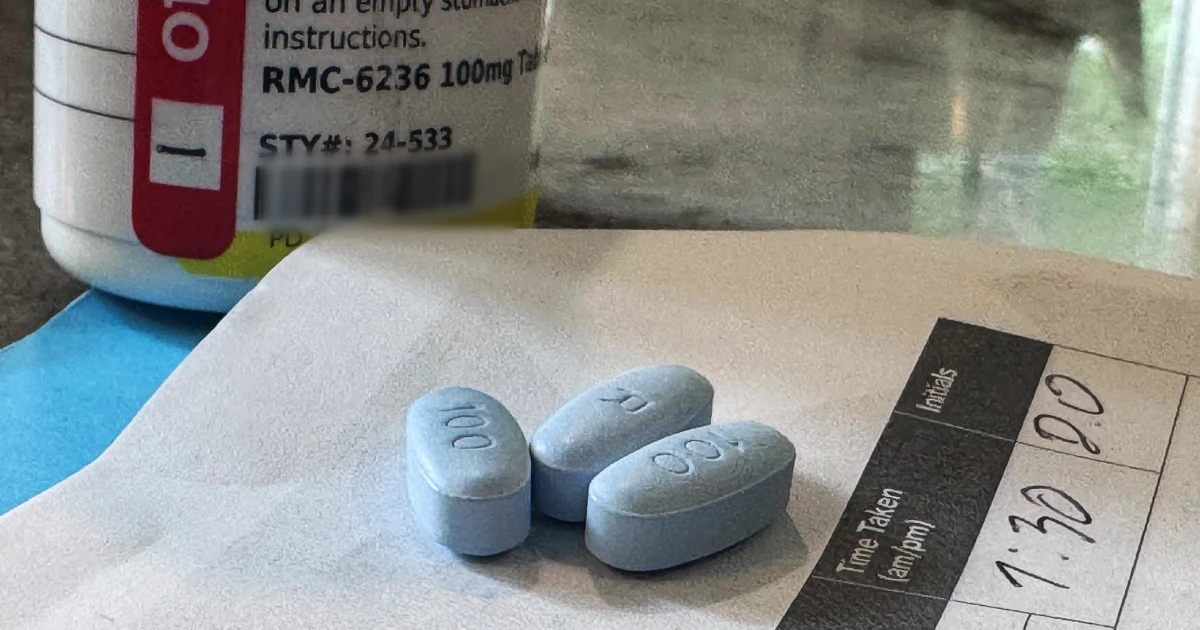
Weinberg, co-director of UCLA Health’s gastrointestinal oncology program, is currently leading a clinical trial evaluating daraxonelasib, a novel drug administered to patients who had previously undergone chemotherapy. Many participants reported diminished effects from their past treatments, prompting them to embrace the trial as a beacon of hope.
This trial represents one of the most emotionally charged studies Weinberg has ever been involved in. He noted the harrowing reality faced by patients, as those once treated with chemotherapy are no longer alive, underscoring the need for innovative solutions.
Promising Results from Clinical Trials
The excitement surrounding daraxonelasib has reached unprecedented levels. A recent Phase 3 trial involving 500 patients demonstrated that this drug significantly enhances survival rates for those battling advanced pancreatic cancer, which is notorious for its lethality. In the study, patients receiving chemotherapy survived an average of 6.7 months, while those on daraxonelasib lived for 13.2 months. The study’s findings were presented at the annual meeting of the American Society of Clinical Oncology in Chicago and simultaneously published in the New England Journal of Medicine.
Following the announcement of preliminary trial results in April by Revolution Medicines, the drug’s manufacturer, Dr. Rachna Shroff, chief of hematology and oncology at the University of Arizona Cancer Center, described the moment as “tears of joy,” reflecting the drug’s potential significance for treating pancreatic cancer.
The implications of daraxonelasib extend beyond pancreatic cancer. The medication, which is taken as three tablets daily, targets mutations in the KRAS gene, prevalent in various cancers, including lung, colorectal, and ovarian cancers. Dr. Brian Wolpin, who led the study, suggested that while pancreatic cancer may be the first demonstrated success for the drug, its effectiveness will likely translate to other malignancies as well.
Fast-Tracking Approval and Expanded Access
The Food and Drug Administration (FDA) is currently expediting approval for daraxonelasib specifically for pancreatic cancer, opting to implement an expanded access program that allows patients to obtain the medication outside of clinical trial settings. Revolution Medicines’ CEO, Dr. Mark Goldsmith, emphasized that his team is diligently preparing for this push, even without a defined timeline for formal approval.
Understanding Tumor Response
Most pancreatic cancer diagnoses occur at advanced stages where surgery is unfeasible. According to Dr. Sameek Roychoudhury of The Ohio State University Comprehensive Cancer Center, even the most effective chemotherapy regimens often yield results for only about six months. This reality significantly impacts families grappling with their loved ones’ terminal conditions.
Debbie Orcutt, diagnosed with stage 4 pancreatic cancer in April 2024, exemplifies the urgent need for novel therapies. Initially presenting with non-specific symptoms, her condition quickly escalated to metastasize to the liver. Following unsuccessful chemotherapy, she enrolled in the daraxonelasib clinical trial, reporting an astonishing 80% reduction in her pancreatic tumor and the disappearance of hepatic lesions since starting treatment in January 2025.
Mechanism of Action of Daraxonelasib
Daraxonelasib targets mutations in the KRAS gene, which deregulates cellular growth. This particular mutation, prevalent in over 90% of pancreatic cancer cases, keeps the growth switch perpetually activated. Scientists have long pursued effective methods to inhibit this mutation, and the development of daraxonelasib represents a significant breakthrough.
Using innovative chemical research, scientists have crafted daraxonelasib to bind with cyclophilin A, a cellular protein, effectively likening it to “molecular glue” that targets the mutated protein responsible for uncontrolled growth. While promising, it’s important to note that cancerous tumors can develop resistance over time, emphasizing the necessity for ongoing research into new treatments.
Revolution Medicines is exploring three other similar RAS inhibitors in clinical trials, with a fourth expected to commence soon. Early data indicates that daraxonelasib’s effectiveness may extend to all patients with metastatic pancreatic cancer, potentially revolutionizing treatment protocols by reducing dependency on high-dose chemotherapy.
As oncologists cautiously integrate daraxonelasib into treatment plans, its side effects appear significantly less severe compared to traditional chemotherapy. Debbie Orcutt reported only minimal side effects, enabling her to maintain an active lifestyle and restore a sense of normalcy despite her diagnosis.
