


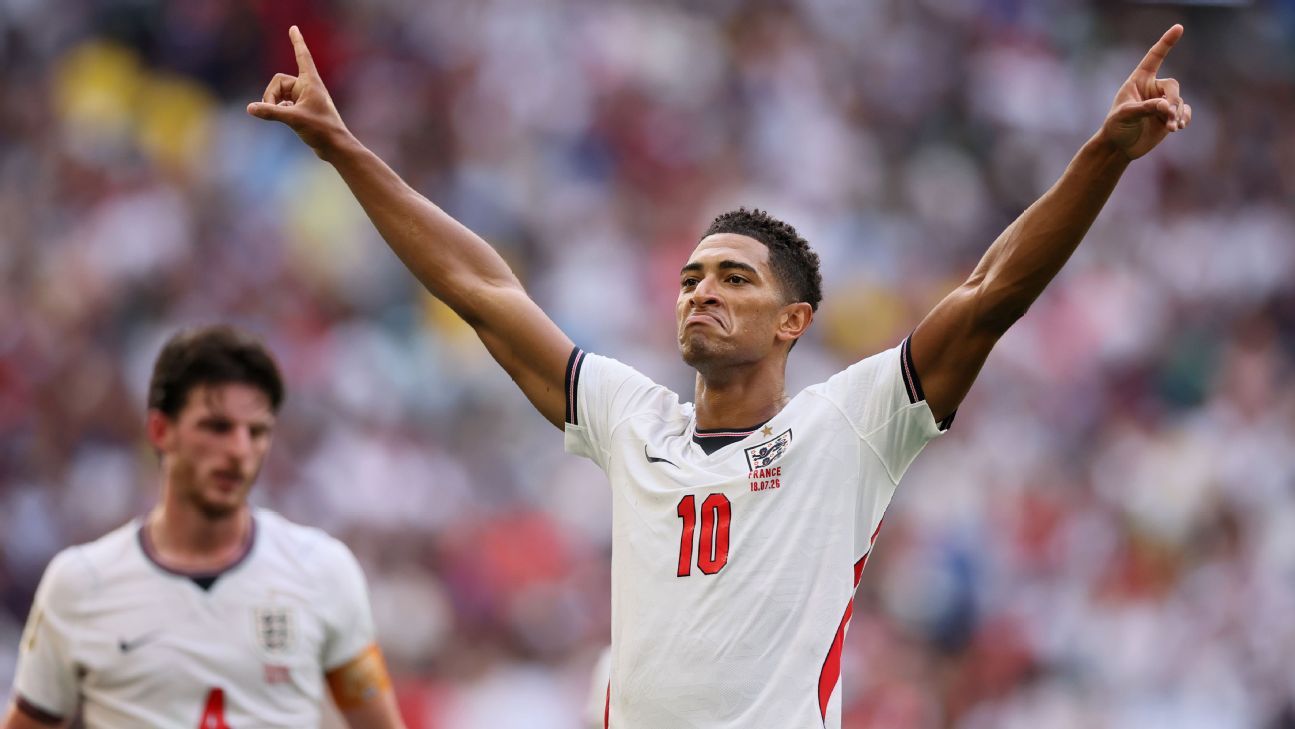
MIAMI GARDENS, Fla. — The match began with boos from the crowd and culminated in England’s first bronze medal at the Men’s World Cup since 1966, marking one of the most dramatic encounters in the tournament’s history.
France appeared uninterested for much of the game, trailing 4-0 at halftime—a clear indication of their lack of focus in this third-place match. Their late surge in the second half showcased their potential, but it came too late to alter the game’s outcome.
Kylian Mbappé ignited a comeback, bringing France closer within one goal with just 24 minutes remaining. However, England’s vulnerabilities, akin to those exposed during their semi-final defeat to Argentina, surfaced once more. Despite Mbappé’s efforts, two goals from Bukayo Saka and a brilliant solo strike from substitute Jude Bellingham ensured a decisive 6-4 victory, solidifying England’s best World Cup finish in nearly six decades.
Reflections from the Sidelines
No coach would be entirely satisfied with a high-scoring match like this, and one could argue that had there been another segment, France might have prevailed. Nonetheless, Thomas Tuchel faced boos during the pre-match squad announcement, ultimately concluding his tenure as England’s most successful manager in 60 years at the World Cup.
This achievement offers Tuchel a counterpoint to the intense criticism he endured following England’s semi-final loss against Argentina. “This is the first medal in 60 years and the best World Cup held on foreign soil,” Tuchel stated post-game. He expressed hope that the players would take pride in their accomplishment eventually, reflecting on the lows they had experienced in the semi-final. “The best thing you can do is to react on the pitch,” he added, emphasizing the importance of resilience and belief.
This peculiar third-place competition has left many questioning its significance. Can any meaningful insights be drawn from a matchup featuring two teams attempting to mask their disappointment after elimination? Both sides made several changes, yet only England displayed any early intensity. The match transformed dramatically when coach Didier Deschamps made bold substitutions at halftime, attempting to inject urgency into his players, reminding them of the gravity of the occasion.
The atmosphere was electric as both teams adopted an attacking style, leading to a frenetic exchange of goals. England’s relentless offense and France’s disorganized defense resulted in a remarkable 38 total shots, with Bellingham’s goals standing out as potential match-winners in any other context.
The match was not without its moments of levity, with fans from various nations present, showcasing a colorful tapestry of soccer culture. Amidst chants of “Mbappé” and “Bellingham,” the mood in the stadium was buoyant, bolstered by England’s early goals from Declan Rice and Ezri Konsa. Saka’s brace added to a rapidly growing lead.
England’s performance in the first half was commendable, yet they faltered in the subsequent half, sitting back and nearly relinquishing their commanding four-goal lead. Fortunately for England, Bellingham’s strategic maneuvering helped to stabilize the team, allowing for a successful penalty conversion by Saka and maintaining their advantage.
As the medal ceremony approached, an air of uncertainty enveloped the occasion. France departed quickly, while England’s FA president Debbie Hewitt warmly congratulated Harry Kane and the players on receiving their bronze medals. Posing for photos, they grappled with the day’s protocols, reflecting a mix of joy and confusion over their unique accomplishment.
Despite the swirling emotions, the match itself will be remembered for its thrilling nature. Few will forget the spectacle, though questions linger about whether anyone would eagerly embrace a repeat of such chaotic encounters in the future.
