


Revised Foreign Exchange Manual Signals New Chapter for Nigeria’s Currency Market
The Central Bank of Nigeria (CBN) has introduced a revised foreign exchange manual that represents a critical shift in the nation’s approach to foreign exchange trading. This update aims to restore order, confidence, and transparency within the foreign exchange ecosystem, as noted by industry expert James Emejo.
This new framework is set to establish a more precise rulebook for all participants in the currency market, contributing to the stabilization of macroeconomic conditions, the attraction of sustainable capital inflows, and an enhancement of investor confidence.
For years, Nigeria’s foreign exchange market has experienced challenges stemming from a lack of transparency, pricing inconsistencies, and a significant reliance on central bank interventions. These issues have fostered an environment of uncertainty characterized by access difficulties, settlement delays, and documentation errors, ultimately hampering market confidence. The updated Foreign Exchange Manual is thus not merely an administrative adjustment; it aims to create a more transparent, rules-based, and market-oriented system.
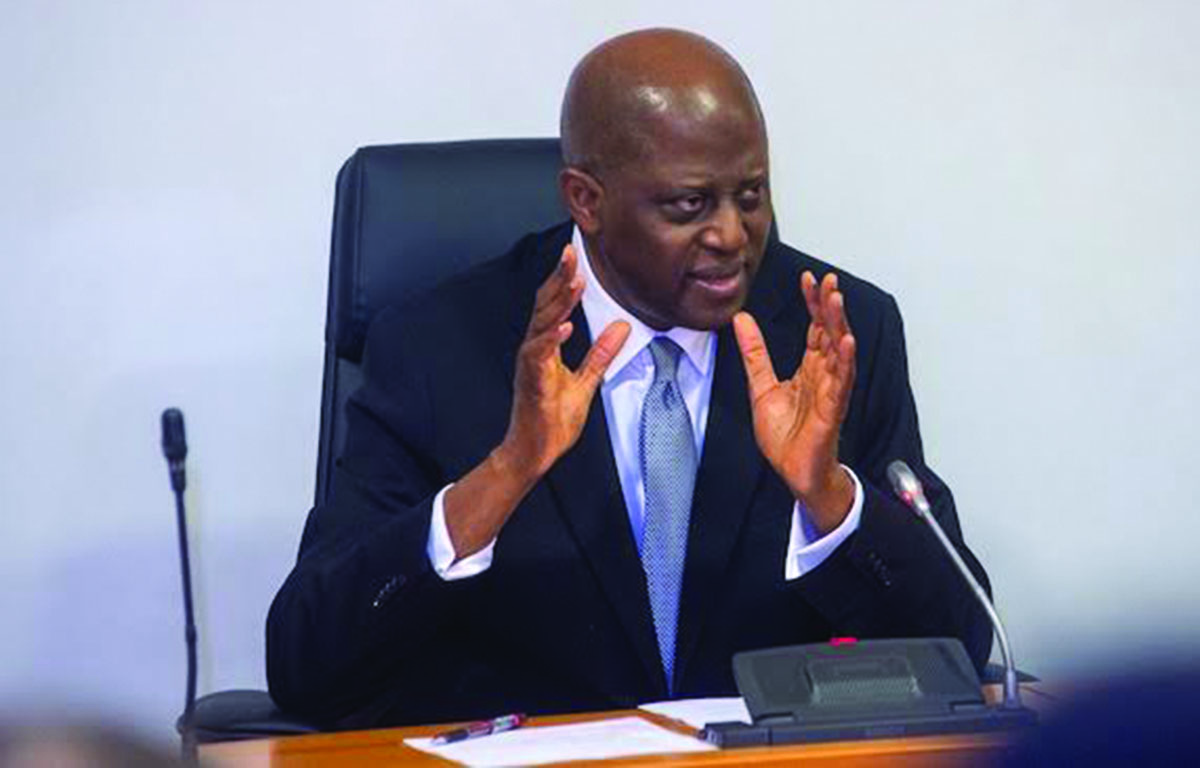
At the manual’s official launch in Abuja, CBN Governor Olayemi Cardoso emphasized that this new framework is foundational to ongoing reforms aimed at enhancing transparency, increasing liquidity, and rebuilding market trust. He highlighted that maintaining confidence in the foreign exchange market requires clear rules, accountability, and collaboration among stakeholders.
The necessity of this manual update is underscored by its timing; the last version was released in 2018, prior to significant shifts in both the global economic landscape and Nigeria’s internal market conditions. Since then, global financial markets have faced increased volatility while Nigeria grapples with inflation, foreign exchange shortages, and declining investor confidence. Consequently, the revised manual seeks to align Nigeria’s foreign exchange governance with contemporary realities and rectify enduring inefficiencies.
Cardoso argued that foreign exchange acts as a vital component in any open economy, as it underpins price stability, trade facilitation, and capital mobility. This assertion underscores the critical role of foreign exchange market reforms in effective macroeconomic management.
Emphasis on Transparency and Structured Operations
A central theme emerging from the manual’s launch is an unfaltering commitment to transparency and predictability. Governor Cardoso indicated that the revised manual aims to bring more clarity, consistency, and efficiency to foreign exchange management, factors instrumental in regaining investor confidence. Market participants tend to respond favorably to environments characterized by transparent and predictable regulations.
The updated framework enhances the operational landscape by introducing structured procedures for trading, reporting, and documentation. Key operational modifications include revised import payment thresholds, a digital payment framework for travel allowances, heightened reporting demands for service exports and tech companies, streamlined documentation processes, and better access to domicile accounts. These initiatives further the commitment to modernizing and digitalizing the foreign exchange market, enhancing scrutiny of sectors previously vulnerable to fraudulent activities.
Compliance Architecture Aimed at Upholding Market Integrity
A distinguishing feature of the revised manual is its robust compliance and enforcement framework. It specifies an array of sanctions targeting a variety of violations, such as circular trading, false documentation, and non-compliance with foreign currency trading limits. This marks a decisive pivot toward stricter market discipline.
The issue of round-tripping, a notorious practice that distorts foreign exchange markets, will now face severe penalties. Banks implicated in such activities may experience the suspension of their authorized dealer licenses, coupled with financial restitution obligations and possible legal repercussions. These stringent measures reflect the CBN’s resolve to deter speculative and unethical practices that have historically eroded market trust.
Furthermore, the manual addresses issues related to export proceeds, mandating that exporters repatriate funds within a specified timeframe. In parallel, financial institutions may face penalties for delays in documentation and remittances, consistent with the broader objective of diversifying foreign exchange earnings and bolstering non-oil exports as sustainable liquidity sources.
Striving for Greater Liquidity and Market Depth
Cardoso stressed that enhancing market liquidity is the ultimate goal of these reforms. The creation of deeper and more liquid markets aims to eliminate distortions, bolster investor confidence, and diminish reliance on the central bank for interventions. This approach marks a notable transition from a system where market participants relied heavily on sporadic central bank actions. The governor noted a significant increase in average daily sales, rising from approximately $100 million to between $400 million and $600 million, with peak sales reaching as high as $1 billion. Such improved sales figures are indicative of greater market depth and active participation.
The CBN’s drive for sustained daily turnover exceeding $1 billion aligns with its aspirations to elevate Nigeria’s foreign exchange market to a more advanced emerging market level. The central bank’s comments regarding foreign exchange reserves reaffirm its philosophy that reserves should serve as a buffer rather than a primary market funding source, reducing vulnerabilities linked to external shocks.
Fostering Cooperative Relationships Among Market Participants
Cardoso highlighted that achieving stability in the foreign exchange market requires cooperation among all stakeholders, including authorized dealer banks, businesses, and regulatory agencies. This sentiment resonated with Oliver Arauba, CEO of Bank of Africa (UBA), who acknowledged the timeliness and necessity of the revised framework. He noted that improved confidence among market participants has surged compared to levels seen two to three years ago.
The banking sector’s support will be pivotal in the successful implementation of the manual, given its reliance on authorized dealers and financial institutions, who facilitate the majority of foreign exchange transactions. By offering the manual free of charge, the CBN reinforces its commitment to compliance and accessibility, ensuring all market players are well-informed about the updated requirements.
CBN Deputy Governor Dr. Muhammad Sani Abdullahi pointed to the extensive consultation that informed the manual, involving various stakeholders in the banking and regulatory arenas. Such inclusivity is expected to foster greater acceptance of the changes, as stakeholders are more inclined to endorse reforms that consider their perspectives.
Monitoring Consistency Crucial for Success
The revised foreign exchange manual is not merely a policy update; it embodies a significant reform initiative aimed at restoring confidence in Nigeria’s foreign exchange market through clearer regulations, enhanced governance, stricter enforcement, and improved liquidity. However, the success of this initiative hinges more on the consistency of its implementation than on the document’s quality itself. Nigeria’s historical challenges with policy uncertainty and uneven enforcement underscore the need for robust compliance measures.
The upcoming transition period, set to commence on June 1, 2026, will serve as a critical test of the regulators’ commitment to these reforms. Cardoso’s caution against using the transition as an opportunity for regulatory exploitation underscores a keen awareness of potential loopholes that could be exploited before full implementation. If executed effectively, the revised manual may well help strengthen market discipline and encourage higher trading volumes through formal channels, ultimately reinforcing domestic and international investor confidence.
