


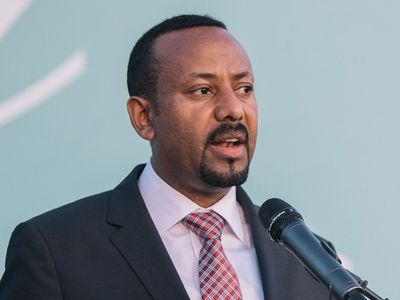
Abiy Ahmed Achieves Major Political Win in Ethiopia
Ethiopian Prime Minister Abiy Ahmed has achieved a significant political victory with his Prosperity Party securing an overwhelming majority in parliament. This result positions him to commence his next term in October.
Prosperity Party’s Strong Showing
The Prosperity Party captured 438 out of the 501 contested seats, a result that supporters herald as a clear mandate for Abiy to continue his economic reforms and modernization initiatives.
Abiy’s Rise and Challenges Ahead
Taking office in 2018 during a wave of anti-government protests, Abiy was initially regarded as a reformist leader committed to healing Ethiopia’s longstanding political divides. His efforts to end decades of conflict with Eritrea earned him the Nobel Peace Prize in 2019. However, these promises of peace have been marred by a brutal civil war in the northern Tigray region and escalating insurgencies elsewhere in the country.
Ongoing Instability in Key Regions
The security landscape remains precarious in the Amhara and Oromia regions, where armed groups are openly challenging the federal government. The Amhara-based Fano militia and the Oromo Liberation Army, advocating for greater autonomy for the Oromo people, have both rejected the recent election and its outcomes.
Disrupted Elections Highlight Security Concerns
On election day, more than 140 polling stations in Ethiopia’s largest regions were unable to operate due to security issues, highlighting the government’s difficulties in establishing authority in certain areas. Meanwhile, Tigray, which emerged from a devastating two-year war in 2022, was completely excluded from the elections. The 6 million residents in the region, represented by 38 constituencies, refrained from participating amid fears of renewed conflict.
Strained Relations with Eritrea
Relations between Addis Ababa and Eritrea have soured significantly following the end of the Tigray conflict. Eritrean forces supported the Ethiopian government in the fighting and face accusations from human rights organizations of committing severe human rights abuses, which they deny. Tensions have escalated as Abiy calls for Ethiopia to regain direct access to its Red Sea ports, a key strategic asset lost after Eritrea’s independence in 1993. Eritrea’s outreach to Tigrayan leaders has intensified concerns of a potential broader regional conflict.
Accusations and Regional Tensions
Allegations that Ethiopia is assisting rapid support forces in Sudan’s ongoing civil conflict have further strained relations, although Ethiopian officials deny these claims. Complicating the situation, Eritrean and Tigrayan factions are reportedly allied with the Sudanese military, creating a complex web of regional rivalries. The peace deal established in 2022 aimed to cease hostilities between Abiy’s government and the Tigray People’s Liberation Front, yet both sides continue to accuse each other of violating its terms. This conflict stands as one of the deadliest in the 21st century, with estimates from the African Union indicating the loss of around 600,000 lives due to fighting and famine.
Responses to the Ongoing Crisis
In response to the burgeoning crisis, the United States has imposed targeted visa restrictions on key members of the Tigray People’s Liberation Front, accusing them of obstructing peacekeeping efforts. Additionally, the European Union has called for an immediate de-escalation of tensions in northern Ethiopia, underscoring the urgent need for a resolution to the ongoing conflict.
