


Nigeria Faces Multidimensional Challenges Amid Political and Economic Uncertainty
Nigeria is grappling with profound challenges across various facets of society. After 61 years of independence, the nation is still plagued by political instability, economic volatility, and social unrest. The lack of a cohesive policy framework has led to a leadership environment dominated by those who seize power rather than those who govern effectively. The economy remains unpredictable, heavily influenced by the leadership in place, resulting in a lack of structural consistency and long-term viability. This state of affairs has fostered widespread disillusionment among citizens, significantly diminishing their quality of life.
The magnitude of Nigeria’s problems has created confusion not only among the populace but also among its leaders, who often find themselves at a loss regarding where to begin addressing the myriad challenges. The divergence in governance strategies at both the federal and state levels reflects this complexity, with each tier pursuing its own agenda based on varying perceptions. This fragmented approach underscores a common issue: widespread misgovernance stemming from ineffective leadership.
To initiate meaningful change, Nigeria requires a unified strategy to address its challenges. While regional approaches may vary, a central focus on key issues is essential for progress. Without a common goal, the nation is likely to remain trapped in a cycle of stagnation. Current governance structures have failed to deliver tangible benefits to the populace, raising questions about the allocation and effectiveness of funds designated for development initiatives.
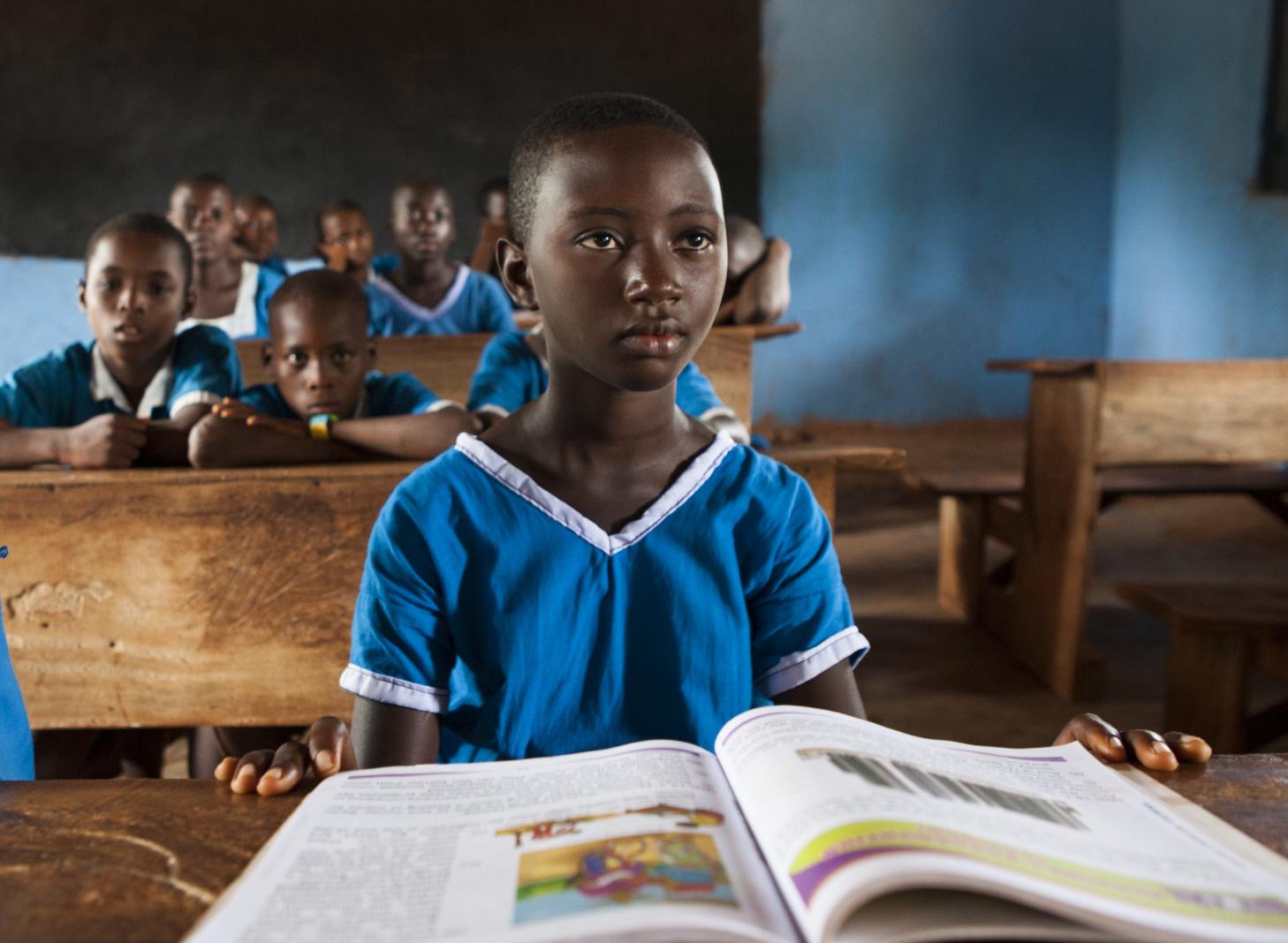
One of the most pressing issues is the high rate of illiteracy, which hampers various social and economic developments. Addressing education is not merely about improving literacy rates; it is a gateway to resolving myriad interconnected problems. If education were prioritized at all levels of government, it would create a more informed citizenry capable of understanding and participating in governance, subsequently fostering social harmony and economic growth.
In Nigeria, differing perceptions about the primary challenges hinder collective action. While some attribute the country’s woes to poor leadership, others cite issues such as unreliable electricity and inadequate infrastructure. These factors, while significant, can be more effectively addressed through a focus on education. An educated populace would be better equipped to engage with and contribute to solutions across the board, elevating national development as a whole.
The historical context also highlights the roots of Nigeria’s leadership crisis, which is intimately tied to the education level of its citizens. At independence in 1960, the literacy rate was alarmingly low—around 10 percent—leaving a small educated elite to navigate governance amid a largely illiterate population. This imbalance has persisted, allowing a minority to wield power with little accountability, often prioritizing short-term gains over long-term prosperity.
Ultimately, the prevailing political culture in Nigeria is heavily influenced by economic factors, where the scarcity of resources leads to a transactional relationship between leaders and the masses. This patronage model fosters a disconnect, preventing meaningful dialogue on governance and accountability. As a result, electoral success is often synonymous with financial backing rather than proven capability or a commitment to public service.
The urgency of addressing education cannot be overstated. Until educational reform becomes central to national development, even the most innovative government initiatives will encounter formidable obstacles. Without an educated populace, even the best infrastructure initiatives risk deterioration due to lack of care and respect. The cycle of disinvestment and neglect will continue unabated until education takes precedence in Nigeria’s national agenda.
