


Addressing Climate-Induced Displacement in Northern Nigeria
Dr. Folahanmi Aina, a national security and governance expert at the School of Oriental and African Studies (SOAS) at the University of London, is advocating for the implementation of integrated, gender-sensitive policies to tackle the escalating crisis of climate-induced displacement and insecurity in northern Nigeria.
Insights from the Multi-Stakeholder Workshop
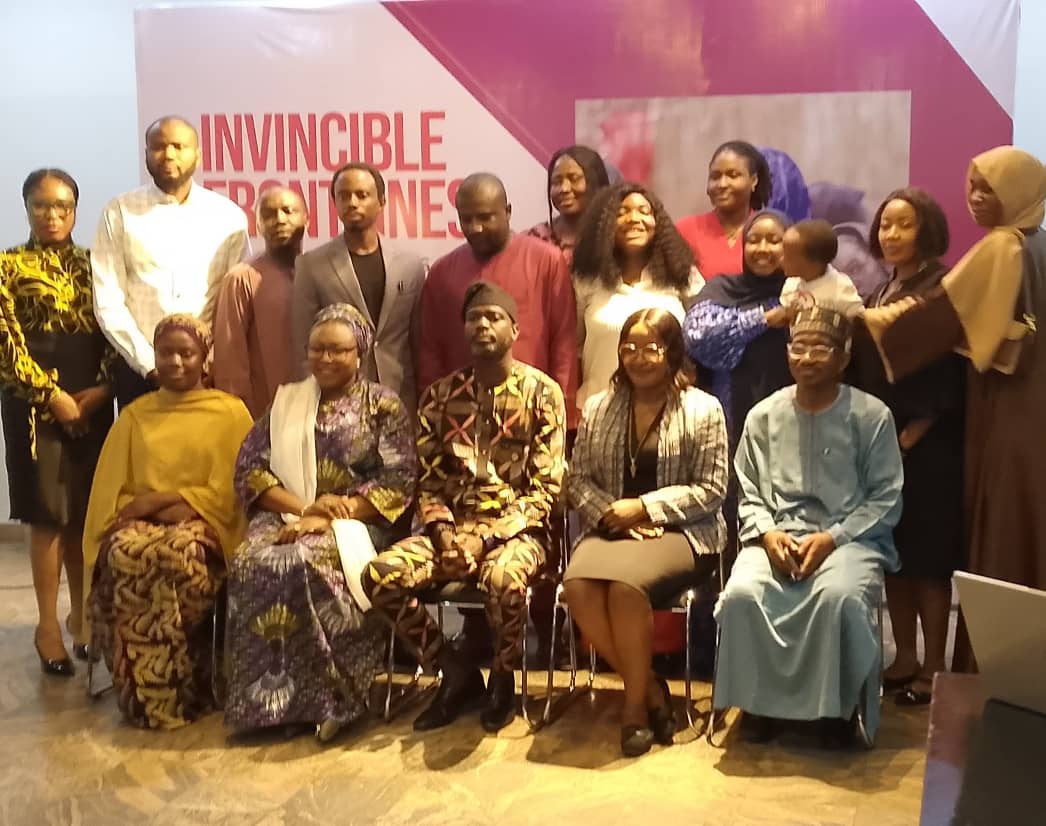
This call to action was made during a hybrid multi-stakeholder workshop titled “Invisible Frontline: Gender, Climate Stress and Forced Migration in Fragile and Conflict-Affected Environments of Northern Nigeria,” held in Abuja. The event brought together civil society leaders, policy experts, regional leaders, development partners, academic figures, representatives from international organizations, security personnel, and women’s advocates for a collaborative and evidence-driven policy dialogue.
The Humanitarian Crisis: A Structural Challenge
During the workshop, Dr. Aina emphasized that the humanitarian crisis affecting the Northeast, Northwest, and North-Central regions has evolved from a temporary emergency into a structural challenge. Factors such as violent conflict, climate change, economic hardship, and ineffective governance have all contributed to this escalation.
Impact of Displacement on Vulnerable Populations
As a result of these issues, millions have been displaced, with women and children experiencing the greatest hardships. Dr. Aina remarked, “The unfolding humanitarian crisis across northern Nigeria is not just episodic. Displacement has become increasingly cyclical and structural, particularly in vulnerable communities already grappling with poverty and environmental stress.”
Climate Stressors and Their Effects
He noted that climate stressors like desertification, flooding, erratic rainfall, diminished grazing routes, and resource scarcity exacerbate local grievances. These conditions create exploitable situations for armed groups and criminal networks, further endangering vulnerable communities.
Women’s Economic Burden During Displacement
Drawing on evidence from Borno, Zamfara, Katsina, Benue, Plateau, and Kaduna states, Dr. Aina highlighted that women often emerge as the primary breadwinners during periods of displacement, even as they face issues like insecurity, inflation, food scarcity, and social exclusion. He indicated that women and girls suffer disproportionately from loss of livelihood, increased exposure to gender-based violence, limited access to healthcare and education, and exclusion from decision-making processes.
Transforming Research into Policy Interventions
Dr. Aina elaborated that the objective of the project is to translate existing research on conflict, climate change, migration, and state fragility into actionable policy interventions, facilitated through ongoing stakeholder engagement. The recommendations derived from the workshop aim to support a climate-smart and gender-sensitive policy framework, focusing on climate adaptation, livelihood restoration, early warning systems, conflict prevention, the protection of displaced individuals, security, humanitarian assistance, and enhanced collaboration among development actors.
The Role of Educators in Conflict-Affected Communities
Mariam Ali, Executive Director of Ilmi Children’s Fund (ICF), also addressed the workshop, urging the government to recognize teachers as vital first responders in conflict-affected communities. Presenting a paper titled “Invisible Frontlines: Rethinking the Role of Teachers in Trauma Response in Fragile and Conflict-Affected Settings,” she noted that many children in northern Nigeria enter classrooms burdened by the consequences of armed conflict, displacement, climate change, and food insecurity. Despite this, teachers often lack formal training in providing psychosocial support, even though they play an essential role in identifying abuse, comforting traumatized students, and preventing school dropout rates.
Moving Towards Practical Responses
The discussions on gender, resilience, livelihoods, community protection, vulnerability to climate change, and governance related to displacement during the workshop will contribute to the development of practical and effective responses to climate displacement in northern Nigeria.
