


Significance of Size in Tournaments
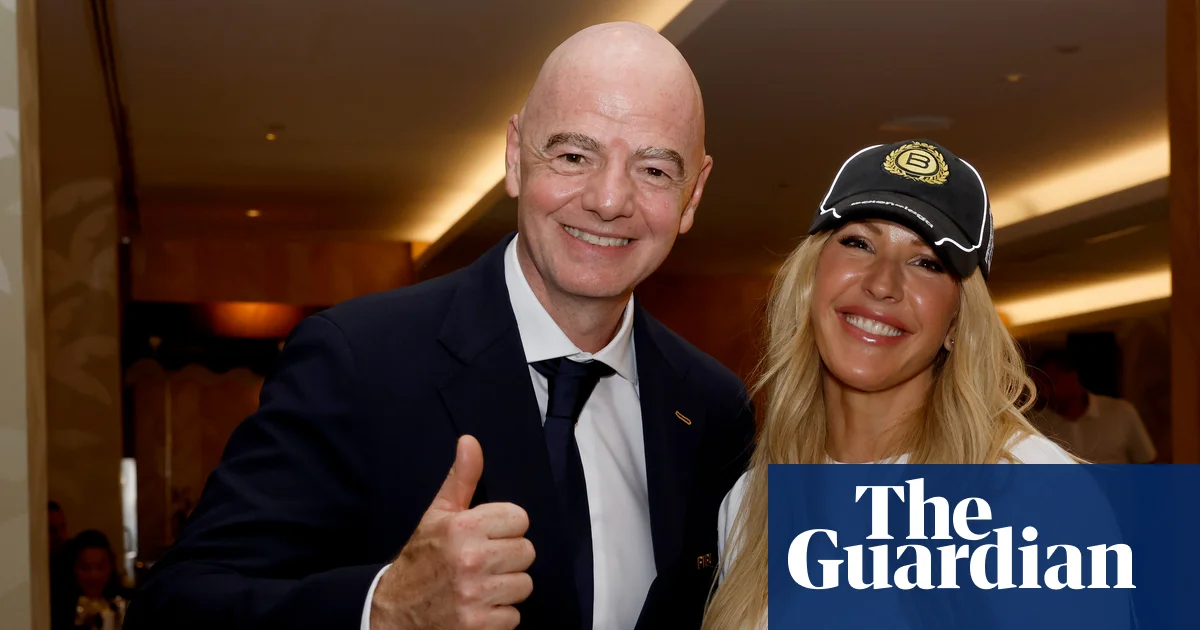
The World Cup has reached an unprecedented sixth week, marking a historic moment in its century-long existence. As discussions swirl around future formats, FIFA President Gianni Infantino has hinted at the possibility of expanding the 2030 tournament to accommodate 64 teams. This suggestion comes amidst controversies involving recent incidents like Balogun Gate and VAR Gate. However, it appears that FIFA is genuinely contemplating this expansion, having a track record of increasing participant numbers across its events.
Infantino emphasized the importance of inclusivity in international competition, stating that the World Cup should represent “the whole world,” not just Europe or South America. He argued that providing opportunities for smaller nations to participate fosters growth and competition on a global scale. While qualifying rounds currently offer these nations a chance to compete, the prospect of 64 teams offers a new level of excitement. This model would likely employ 16 groups of four, with the top two teams advancing, creating a highly competitive atmosphere reminiscent of previous tournaments in Qatar and Russia.
The inclusion of more teams could introduce a wealth of new talent and excitement. Nations like Cape Verde, Uzbekistan, and Jordan have already shown they can challenge established powers, while moments of drama, such as a tying goal between Curaçao and Germany, highlight the unpredictability of the game. Adding 16 more teams could mean an additional 24 matches, manageable given the planned hosting arrangements across 23 venues in six countries. Picture watching Spain face India in Madrid, followed by Madagascar versus Colombia in Lisbon, and then China against France in Rabat—all on the same day. The logistical challenges of such a packed schedule could keep even FIFA’s busiest officials on their toes.
Moreover, Infantino’s vision might hint at an even more ambitious plan for the World Cup. His call to organize a tournament “for the whole world” could be a precursor to a truly global event by 2034, which would aim to include all 211 member nations. This expansive vision may coincide with shifts in spending patterns in countries like Saudi Arabia, where interest in hosting international sports events is under scrutiny.
Live Streaming the Excitement
For those eager to stay engaged with the ongoing tournament, the Daily Geopolitics World Cup Blog offers comprehensive coverage and insights, ensuring fans never miss a moment of the action.
Events to Look Forward To
This Thursday, you can catch a live show featuring Max Rushden, Barry Glendening, John Brewin, Bernie Ronay, and Jonathan Wilson at the Bowery Ballroom in New York City. Tickets for this electrifying event are still available, providing an excellent opportunity for fans to dive deeper into the World Cup experience.
Insightful Quotes from the Tournament
As fans analyze the games, Spanish midfielder Rodri reflects on his experience: “I’m not that bad. I sometimes watch and analyze teams we can’t play against. I’m probably the worst in terms of preparation.” Such moments of introspection add depth to the narratives emerging from the tournament, underscoring the intense competition and camaraderie among players.
“I support Rich Zahradnik’s viewpoint on a ‘pseudo-privilege’ approach, and I must point out that Dundee United’s recent win does not guarantee their advancement, as they still face three more games.” – Stuart Ainsworth
A nostalgic reflection from Phil Hess showcases his childhood memories of the 1982 World Cup, rich with doodles and careless dreams of football stardom. “My parents helped me complete my Panini album during our move from Switzerland to Australia. I’ll always treasure those memories.” His passion for the sport remains evident, even years later.
For any contributions or insights regarding this tournament, feel free to reach out to the editorial team. Today’s notable letter comes from Phil Hess, inviting shared memories that connect football fans across generations.
