


The Denial of Humanitarian Return for a Deported Mother and Her Child’s Medical Needs
The mother of a U.S. citizen child, who is recovering from a rare brain tumor, recently faced disappointment after her humanitarian request to re-enter the United States for her daughter’s treatment was denied. This news came after more than ten months of anticipation.
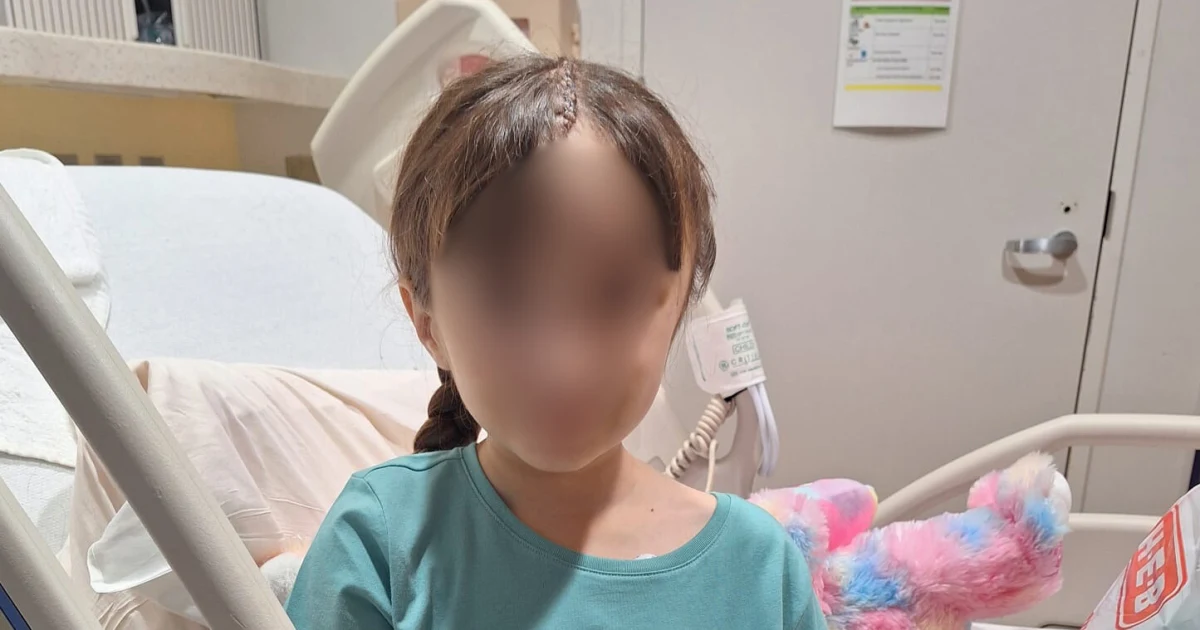
In a heartfelt conversation conducted in Spanish from Mexico, the mother expressed her frustration, describing the denial as akin to being doused with cold water. Her daughter was just ten years old when U.S. immigration authorities deported her and her family, who were residing in the country illegally, over a year ago. The child, along with her four siblings—three of whom are U.S. citizens—was forced to leave the U.S. with her parents.
NBC News is protecting the identities of the family members due to ongoing safety concerns related to the area in Mexico where they reside, a region recently marked by kidnappings, including that of a U.S. citizen.
Before her deportation, the girl was receiving life-saving treatments in the U.S. following emergency surgery to remove her brain tumor in 2024. Since then, doctors have been carefully studying her condition, which is particularly unusual. Unfortunately, her health has been deteriorating since her family’s return to Mexico, according to her mother, who shared her worries in an exclusive interview with NBC News.
Last month, the situation escalated when the girl suffered a severe seizure that caused her to fall and sustain bruises. The family had to make a two-and-a-half-hour trek to the nearest hospital, where MRI and other tests revealed troubling results, highlighting the urgent need for specialized care. U.S. doctors informed the mother that her daughter’s brain is not regenerating, crucial for recovering lost neurological functions and preventing the formation of new tumors.
“Instead of improving, my daughter’s health is worsening,” her mother lamented. Since that incident, the girl has experienced frequent muscle spasms, particularly in her right arm, which is partially paralyzed. The pain has intensified, disrupting her ability to sleep and triggering the return of dizziness and headaches.
Challenges in Securing Medical Care in Mexico
The mother expressed difficulties in finding local medical providers who can assume her daughter’s complex case, highlighting concerns about providers’ familiarity with her daughter’s extensive medical history. Travel restrictions due to her daughter’s fragile health condition further limit their options.
According to medical records reviewed by the family’s attorneys, the brain tumor was caused by an unusual and unnamed disease. This situation complicates treatment, as specialists aim not only to care for the girl but also to gain insights that may inform future treatment options. The rarity of the child’s condition means few experts are available to effectively monitor her health.
Compounding these challenges, the girl has lost the skills she worked hard to regain post-surgery due to lacking care and a support network. As her mother noted, therapeutic support is crucial for her daughter’s progress, making the absence of this assistance even more poignant.
The return of recovery responsibilities solely to her mother, a former rehabilitation technician and certified nursing assistant, has been overwhelming. Despite her training, she acknowledged the shortage of necessary resources in Mexico, including specialized equipment and educational support meant to aid her daughter’s recovery.
The emotional toll is incessant, as the mother has to monitor her daughter around the clock, especially during nights when the girl struggles to articulate her symptoms. The mother fears for her daughter if they were to be separated again, knowing that such trauma could have detrimental effects.
Advocacy and Legislative Challenges
The mother expressed immense pride in her eldest son, who, despite living separately in the U.S., has diligently worked multiple jobs to provide financial support for his sister’s anti-seizure medication. His efforts to engage legislators, including attending a State of the Union address as a guest of Congressman Adriano Espaillat, underscore the family’s commitment to maintaining connections and advocating for the girl’s return.
Legal representatives from the Texas Civil Rights Project are now assisting the family in navigating the increasingly complex immigration landscape. The rising costs of humanitarian parole applications, upwards of $1,000 each, mean that any future attempts must be strategically planned and well-supported.
The family’s ordeal began when U.S. Border Patrol agents apprehended them at a checkpoint near Texas’ Rio Grande Valley in February 2025. Their story has since highlighted the difficulties faced by families caught in the crosshairs of stringent immigration enforcement.
As humanitarian parole options for families like theirs diminish, the numbers support their plight: application denials have surged, with data revealing a marked increase in rejections during certain periods. These trends point to a challenging environment for families and emphasize the urgency in advocating for humane treatment, especially for vulnerable children unable to secure necessary medical care.
In the midst of her family’s struggle, the little girl has celebrated two birthdays since being sent to Mexico. For her mother, these celebrations carry a bittersweet weight: they symbolize survival but also serve as stark reminders of their ongoing limitations and losses. Concerns continue to mount for U.S. children separated from their parents, unable to access vital care without family support.
