


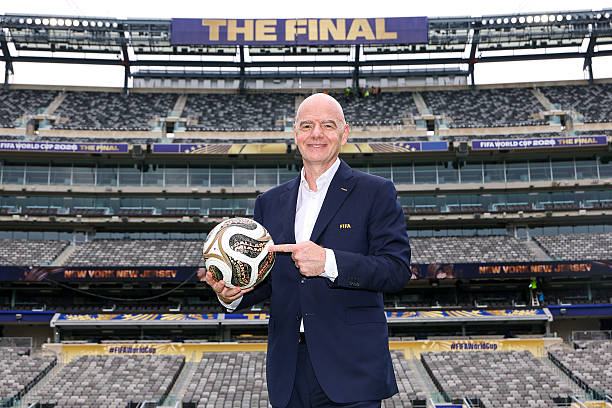
FIFA Proposes World Cup Expansion to 64 Teams
FIFA President Gianni Infantino has unveiled plans to expand the World Cup beyond its upcoming 48-team format, set to debut in 2026. The proposal envisions increasing participation to 64 teams in future tournaments, including the 2030 edition. This initiative aims to globalize soccer, though it has reignited discussions about the tournament’s prestige and sustainability.
In a recent statement, Infantino underscored the goal of inclusivity, asserting that, “The World Cup is not only for Europe or South America; it belongs to the entire world.” He celebrated the success of the current expansion, emphasizing that broader representation from diverse regions would enhance overall quality and create new opportunities. His belief is that the World Cup should inspire aspirations across the globe.
The Evolution of the World Cup: A Historical Perspective
The FIFA World Cup has transformed dramatically since its inception in 1930. The inaugural tournament in Uruguay featured 13 teams and 18 matches, with no formal qualifiers. Uruguay triumphed over Argentina with a final score of 4-2. For several decades, the tournament maintained a modest participant count of 15 to 16 teams.
This changed in 1982 when the number of teams increased to 24, heightening the drama in the group stages. France initiated a further expansion to 32 teams in 1998, a format that predominated for over 20 years and produced memorable moments, including French victories and thrilling underdog stories. The upcoming 2026 tournament, jointly hosted by the United States, Canada, and Mexico, will feature 48 teams and expand the number of matches from 64 to 104, creating more opportunities for teams from underrepresented regions.
Infantino has expressed strong support for these changes, declaring, “We want to host the biggest and best World Cup in FIFA history.” He envisions this broader access as a means to elevate global football standards.
Concerns About Further Expansion
However, the potential shift to 64 teams has raised red flags among critics who fear it could diminish the tournament’s unique allure. Concerns have been voiced about “viewer fatigue” stemming from increased matches, which may include uneven contests lacking the high-stakes intensity that fans seek. Former players and analysts argue that the group stage could devolve into a mere filtering process, undermining the competitive spirit of the game.
Issues surrounding player welfare have also surfaced, as extended tournaments could exacerbate the physical and mental toll on athletes amid busy club schedules, travel, and heat. FIFPRO representatives have highlighted growing concerns about burnout among elite players. Broadcasters fear the dilution of marquee matchups, while doubt persists within FIFA about how an expanded format could impact the tournament’s business viability, especially if it leads to uncompetitive games and logistical challenges.
Opportunities for African Football
Despite the controversies, the proposed expansion holds tremendous potential for underrepresented regions, particularly Africa. The increase to 48 teams in 2026 nearly doubles the continent’s slots from five to approximately nine or ten, inclusive of playoffs. This escalation could enhance visibility and success for African teams on the world stage.
For nations like Nigeria, this growth could translate into significant financial benefits. Participating countries are positioned to receive millions in payments for preparation and qualification, alongside increased sponsorship opportunities, broadcast contracts, and infrastructure investments. Expanding the number of teams representing Africa may foster talent development, enhance the qualifications of diaspora players, and boost the appeal of domestic leagues.
As a prominent soccer nation, Nigeria stands to gain from heightened global visibility, potentially attracting investments in youth academies and sports facilities. On an economic level, major tournaments generate employment in sectors like hospitality, construction, and tourism, ultimately positioning countries like Nigeria as emerging hubs of global football.
As FIFA deliberates these proposals for 2026 and beyond, the challenge remains to strike a balance between inclusivity and the traditions that have shaped the tournament’s legacy. While Infantino’s vision aims to democratize the World Cup, its success will hinge on maintaining the essential elements that make this global event unforgettable. Soccer fans worldwide will undoubtedly be watching as these developments unfold.
