


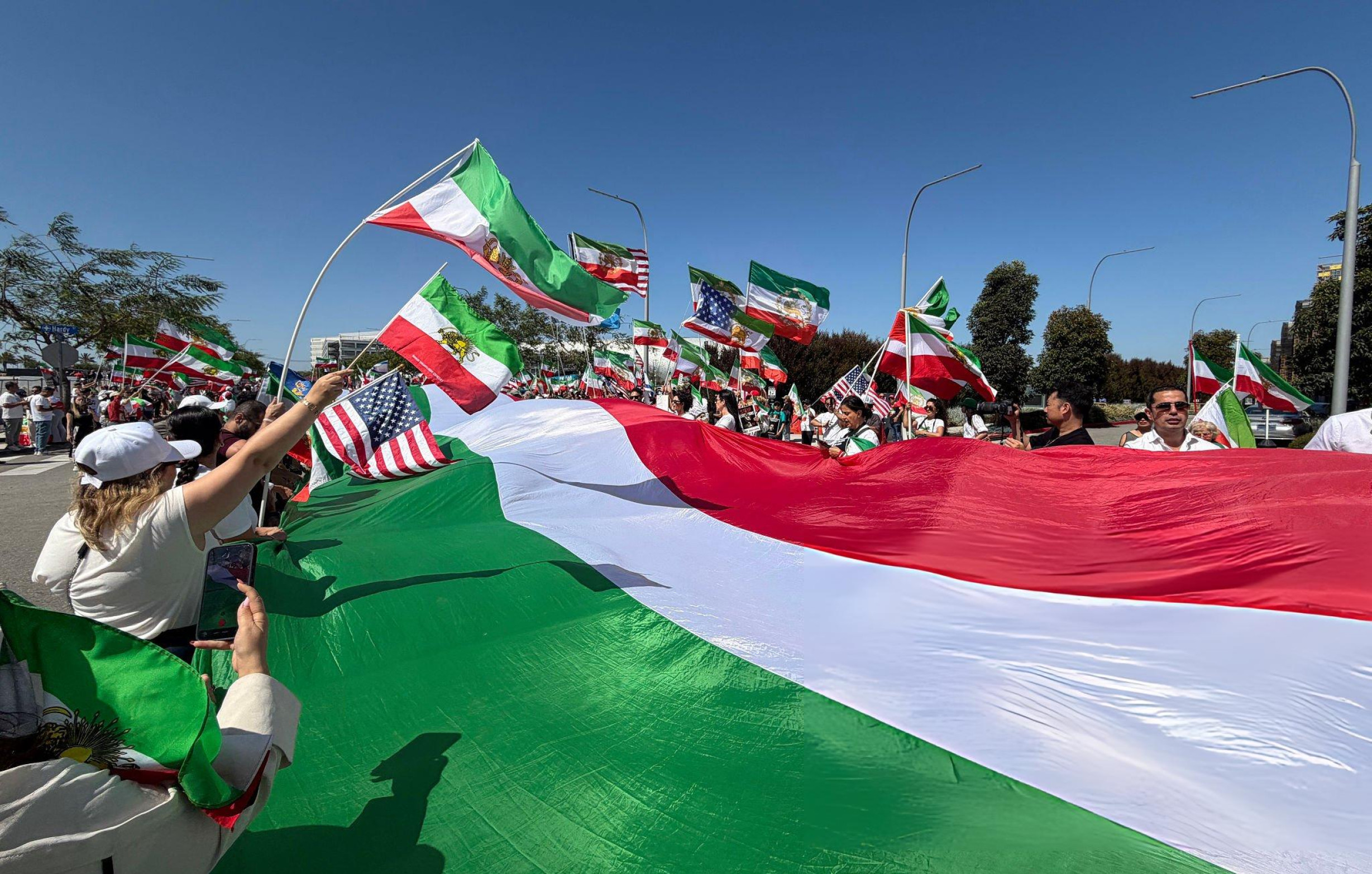
The 2026 FIFA World Cup has encountered a significant controversy with the news that FIFA has canceled ticket allocations for Iranian supporters for all three group stage matches scheduled in the United States. This decision has ignited fury within the Iranian soccer community, raising alarms about the growing intersection of politics and sport just days before the tournament kicks off in North America.
Iranian Supporters Omitted from Ticket Quota
According to the Iranian Football Federation, FIFA has retracted the ticket allocation that was initially reserved for Iranian fans. As a result, the federation is unable to distribute tickets to supporters wishing to witness the national team’s matches. FIFA’s guidelines stipulate that each of the 48 nations participating in the tournament will receive a quota equivalent to 8 percent of stadium capacity for each group stage match.
These tickets are generally disseminated through national football federations to dedicated fans who consistently attend international matches. However, the Iranian Federation reports that this agreement was canceled without notice. In a statement reported by semi-official state media, the federation expressed concern about possible political factors influencing access to the tournament.
Furthermore, they questioned the broader implications of non-sporting political agendas on the organization of one of soccer’s most prestigious events. The federation has revealed that, under the current circumstances, it cannot provide a single ticket to supporters of the national team.
As of our latest reports, FIFA had yet to issue an official response regarding this situation.
Disruption in World Cup Preparations
This most recent controversy adds to a series of challenges impacting Iran’s preparations for the tournament. The team is set to begin its World Cup campaign with a match against New Zealand on June 15 at Los Angeles Rams Stadium in Inglewood, followed by games against Belgium on June 21 at the same venue, and Egypt on June 26 in Seattle.
Initially, the Iranian team was scheduled to establish a training base in Tucson, Arizona. However, escalating tensions between the United States and Iran necessitated a change of plans. Instead, the squad arrived for training in Tijuana, Mexico, choosing to cross the border for preparation before entering the United States. Compounding these issues, several Iranian soccer officials have reportedly been denied visas to travel to the U.S., increasing the uncertainty surrounding the delegation’s participation.
Escalating Political Tensions
This situation unfolds against the backdrop of deteriorating diplomatic relations between the United States and Tehran, especially following military actions taken by the U.S. on February 28. Iranian nationals face additional challenges due to U.S. government travel restrictions, complicating their ability to attend the World Cup, particularly for supporters traveling directly from Iran.
Unresolved questions remain regarding the status of the initial ticket allocation for Iran, particularly how many tickets may have already been sold, especially within the sizable Iranian diaspora in the U.S. and elsewhere. The unfolding drama has reignited scrutiny about FIFA’s longstanding pledge to ensure equal access for all participating nations.
Revisiting Infantino’s Commitments
The ticketing controversy rekindles statements made by FIFA President Gianni Infantino nearly a decade ago during North America’s bid to host the tournament. In 2017, Infantino asserted that all qualifying teams, along with their officials and supporters, must be allowed to participate in the World Cup, stating, “When it comes to FIFA competitions, it is clear that every team qualifying for the World Cup, including supporters and team officials, must have access to the country.”
This commitment is now under scrutiny as FIFA faces increasing criticism regarding its handling of various World Cup participants and international supporters.
Additional Entry Challenges Emerge
Beyond the ticketing dispute, immigration issues appear to be escalating as World Cup preparations continue. Recently, a FIFA-appointed referee from Somalia was denied entry to the U.S. in Miami, leading to his removal from the tournament’s officiating roster. Additionally, reports emerged of an Iraqi athlete being detained for several hours upon arriving in Chicago, while a photographer traveling with the Iraqi delegation was completely barred from entry, drawing ire from human rights advocates and anti-discrimination activists.
Iran’s Focus Shifts to Upcoming Matches
Despite these off-field distractions, Iran’s focus must now shift to their upcoming matches. The schedule for their group stage games includes:
June 15
Iran vs. New Zealand
Englewood, California
June 21
Iran vs. Belgium
Englewood, California
June 26
Iran vs. Egypt
Seattle, Washington
With fans unable to secure tickets, officials struggling to obtain visas, and geopolitical tensions disrupting preparations, Iran’s journey to the World Cup has emerged as one of the tournament’s most compelling narratives even before the first whistle is blown.
