


Florida Allocates Additional Funding for Immigration Enforcement
The Florida Department of Emergency Management (FDEM) has allocated an additional $45.3 million for costs associated with immigration enforcement, which elevates the total expenditure for the year to nearly $460 million. This significant spending comes amidst ongoing discussions regarding the state’s approach to managing immigration issues.
Details of the Budget Amendment
According to Transparency Florida, a government accountability website operated by the Governor’s Executive Office, FDEM filed a budget amendment on May 6. This amendment details the intent to spend $45.3 million from the Emergency Preparedness and Response Fund, which will be used to cover the fiscal responsibilities designated for the 2025-2026 budget.
Significant Expenditures on Immigration Enforcement
Over the past year, FDEM has utilized emergency funds, summing to $458.5 million, to bolster efforts against illegal immigration. This substantial amount has raised concerns among some legislators and advocacy groups about the allocation of emergency resources.
Legislative Limitations on Fund Usage
Following February 17, the state is restricted from using funds from the Emergency Preparedness and Response Fund for new contracts since the legislature did not renew its authorization. However, funds can still be leveraged to settle outstanding bills during the fund’s suspension period.
Fund Origins and Recent Activity
Established in 2022 primarily for hurricane preparedness and response initiatives, this fund allows Governor Ron DeSantis to rapidly deploy resources during emergencies. Since inception, lawmakers have contributed $4.77 billion to the fund. As of recent reports, the balance stands at approximately $199 million.
Ongoing State of Emergency Declarations
Governor DeSantis first declared a state of emergency related to illegal immigration in January 2023. Since then, he has renewed this state of emergency more than 20 times, every 60 days, indicating a sustained focus on this issue. In line with these efforts, SB 7040 was passed, allowing for the restoration of emergency fund access under new regulatory conditions that require budgetary approvals for non-natural disaster emergencies.
Detention Facilities and Federal Reimbursements
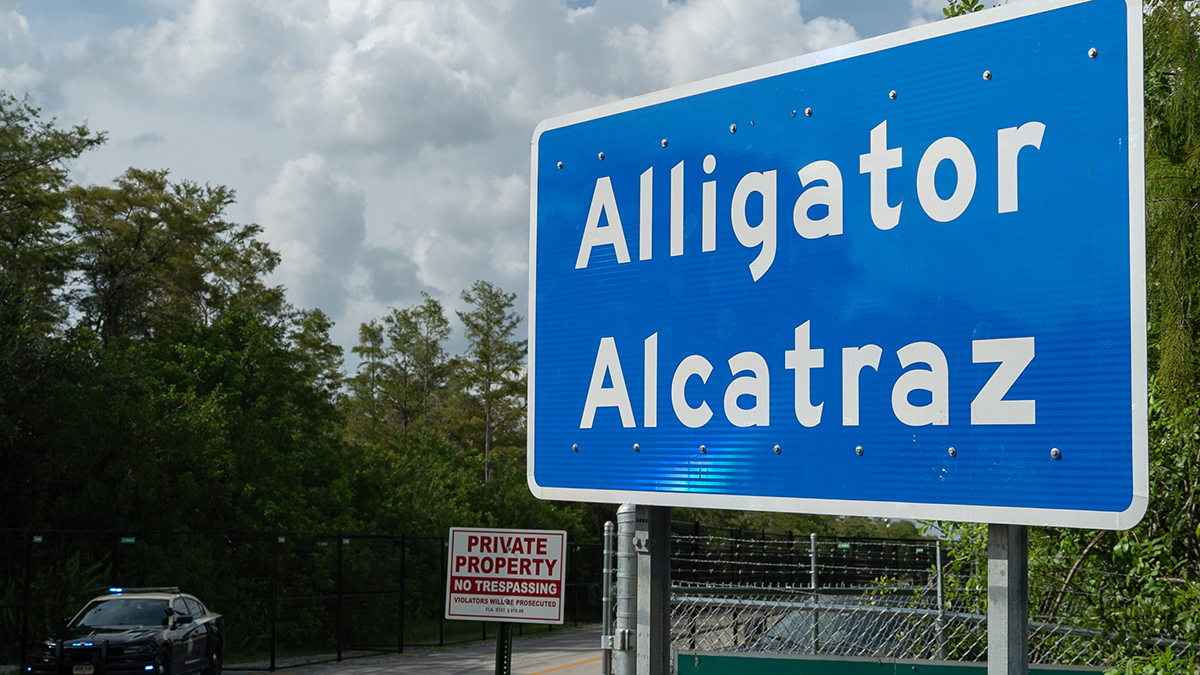
Since the declaration of the immigration emergency, Florida has reportedly spent $573 million on related enforcement activities, including the establishment of two state-run immigration detention centers—dubbed Alligator Alcatraz—and a deportation center located in both northern and southern Florida. While the federal government has tentatively approved $608 million in reimbursements for these expenditures, the funds have yet to reach the state, leading to questions about financial accountability and compliance with regulations.
Environmental Concerns and Legal Challenges
The financial aspects surrounding Alligator Alcatraz have triggered legal challenges, particularly from environmental advocates. These groups argue that the construction of the detention facility did not adhere to federal environmental standards, especially given the potential use of federal funds. Although a federal appeals court recently ruled that the facility could remain open, Governor DeSantis has stated that Alligator Alcatraz was designed as a temporary solution rather than a permanent structure.
In light of recent discussions surrounding its future, DeSantis acknowledged that his administration had indeed engaged in talks with federal officials about potentially closing the facility, but emphasized that it will remain operational until the Department of Homeland Security no longer requires the capacity to detain illegal immigrants.
