


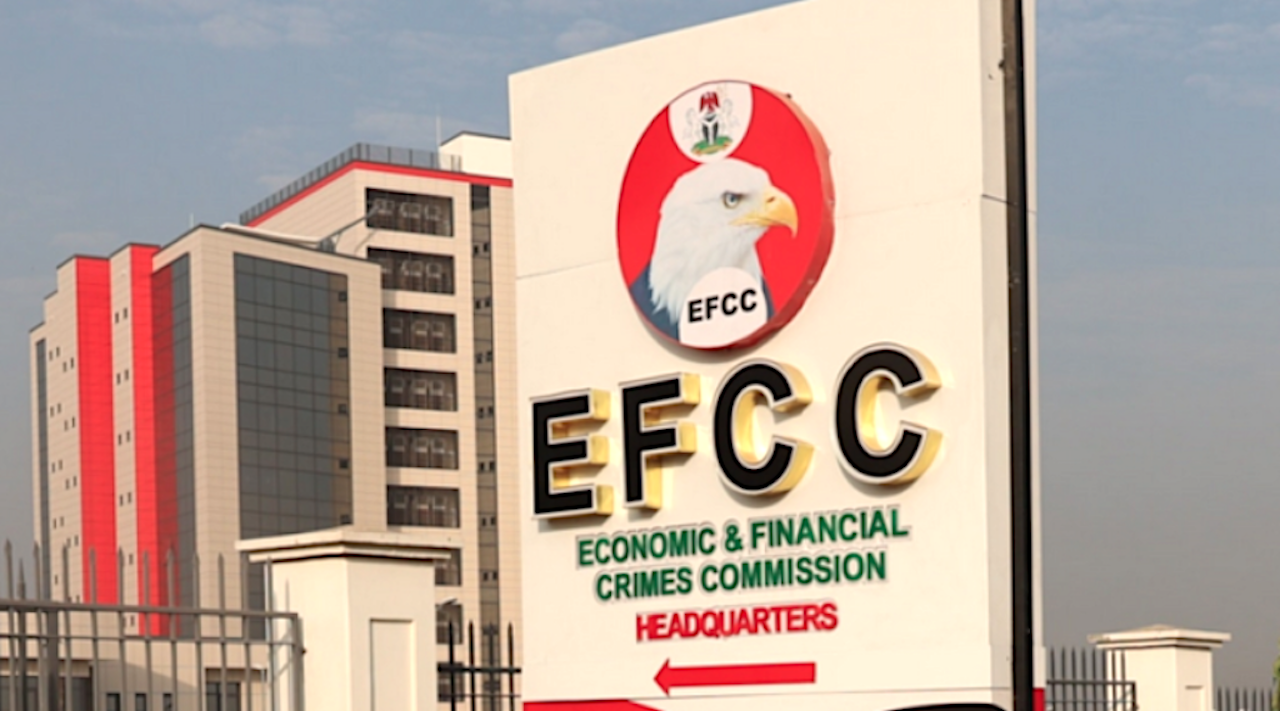
EFCC Indicts Former Refinery Executives on Money Laundering Charges
The Economic and Financial Crimes Commission (EFCC) has filed serious allegations against Ahmed Adamu Dicko, the former managing director of the Port Harcourt Refinery Corporation (PHRC), and Jimoh Olasunkanmi Esau, who previously led the Warri Refinery and Petrochemicals Corporation (WRPC). Both stand accused of money laundering involving significant misappropriations of funds meant for the rehabilitation of Nigeria’s struggling refineries, as reported by Premium Times.
On June 22, the EFCC brought a total of 12 charges against Dicko and eight against Esau at the Federal Capital Territory (FCT) High Court in Abuja. The allegations include abuse of office, accepting illegal payments from contractors, manipulating accounts to disguise illicit funds, and conducting large cash transactions that breach the Money Laundering (Prevention and Prohibition) Act, 2022.
These latest charges are part of an extensive investigation by the EFCC into corruption associated with the multi-billion naira maintenance program for Nigeria’s oil refineries. This probe has already resulted in the recovery of billions in naira, millions in dollars, and numerous properties from former executives of the Nigerian National Petroleum Corporation (NNPC).
Recent reports indicate that the EFCC has recovered over 9.4 billion naira and $21.2 million during this ongoing investigation, alongside various land assets linked to the alleged misappropriation of refurbishment funds. Based on the Central Bank of Nigeria’s official exchange rate of 1,380 Naira to $1, the recovered $21.2 million translates to approximately 29.26 billion naira, pushing the total recovered amount to 38.66 billion naira.
This investigative effort is viewed as one of the most comprehensive examinations of the management practices surrounding the hefty expenditures aimed at revitalizing Nigeria’s underperforming refineries. While Nigeria has four state-owned refineries, two of which are located in Port Harcourt with a combined capacity of 210,000 barrels per day, they have consistently failed to operate at optimal levels despite substantial investment.
Details of Charges Against Ahmed Dikko
In the details of his indictment, prosecutors allege that Mr. Dicko engaged in multiple illegal transactions linked to contractors managing refinery maintenance projects. Notably, one of the counts states that in February 2024, while he was at the helm of PHRC, he made a cash payment of 218,375,000 naira to acquire a property in Abuja, bypassing financial institutions and thus violating the Money Laundering Act.
The EFCC further claims he stored 100 million naira, allegedly received from contractor Ebenco Global Link Limited, in a Fidelity Bank account from October 2022 to October 2023, aware that these funds originated from illicit activities. Additional accusations involve the possession of 90 million naira, also related to Ebenco, and numerous other transactions that allegedly involved concealing the source of funds received from various contractors.
Allegations Against Jimoh Esau
The EFCC has also presented eight charges against Jimoh Esau, accusing him of laundering substantial amounts through intermediaries and executing illegal cash payments. Between October 2023 and May 2025, Esau purportedly converted $789,950 through an individual named Samaira Bala, and this amount has not been traced back to legitimate earnings from his public service role.
Furthermore, he is alleged to have made cash payments exceeding legal thresholds without passing through financial institutions. From February 2024 to March 2025, he is accused of cashing an additional $122,600 through Rashid Olaytan Yusuf and making further cash transactions that raise red flags under the law.
Wrapping up the accusations, the EFCC contends that Esau utilized funds from contractors connected to the NNPC and attempted to launder them through various financial maneuvers, ranging from purchasing treasury bills to retaining cash attributed to multiple contractors. These actions purportedly violate both the Money Laundering (Prohibition) Act of 2011 and the Money Laundering (Prevention and Prohibition) Act, 2022.
