


African Nations Unite to Advance Digital Inclusion Standards
Fourteen African nations have officially pledged their support for the harmonization of the African Digital Inclusion Standard, a crucial development aimed at fostering a more inclusive and accessible digital ecosystem across the continent.
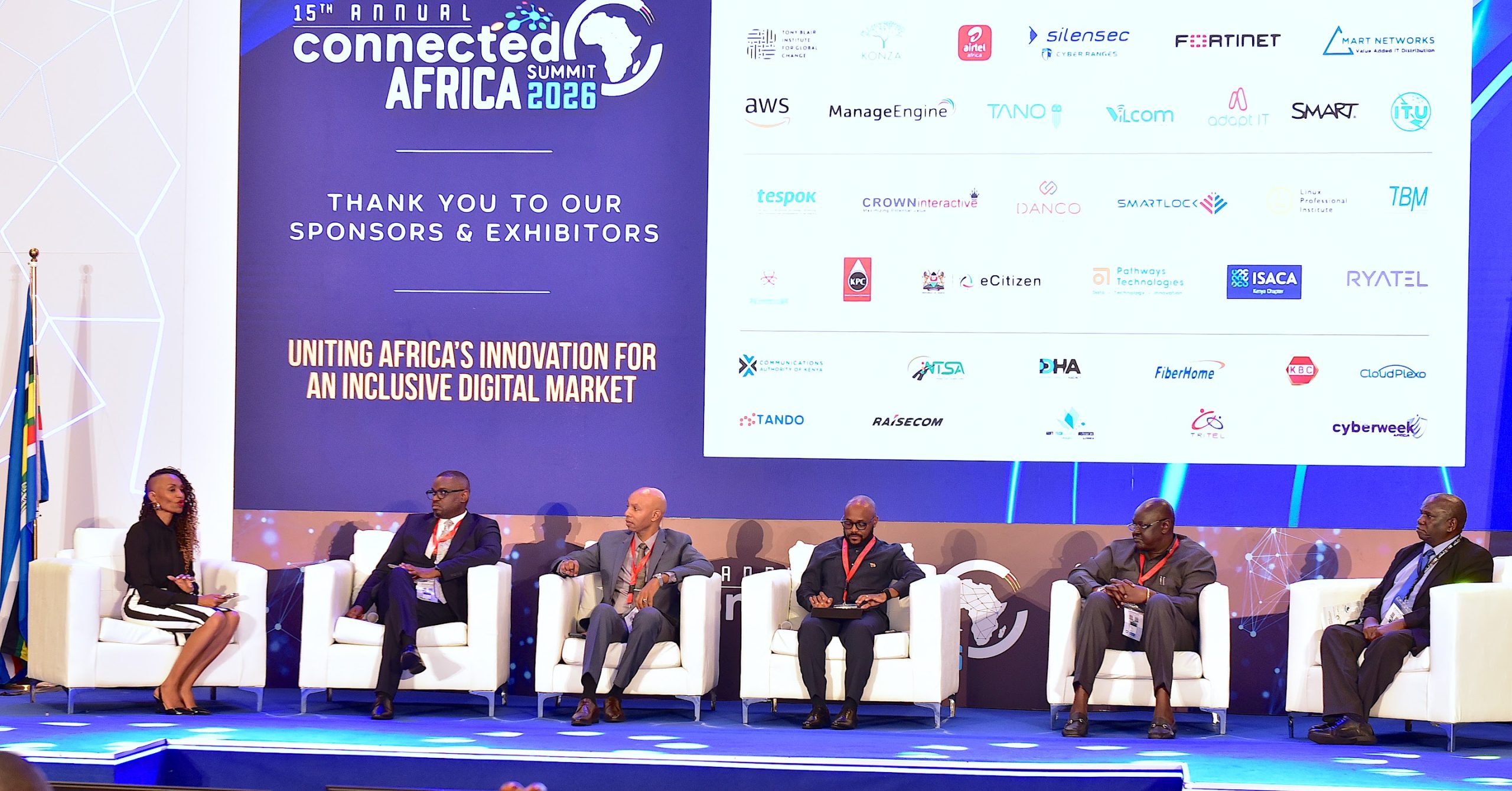
This announcement occurred during the Ministerial Roundtable on Digital Inclusion, part of the concluding events at the Connected Africa Summit 2026. The representation included officials from Kenya, Angola, Chad, Malawi, and South Sudan, among others.
Digital accessibility encompasses the design and creation of digital platforms that cater to individuals with various disabilities, enabling them to perceive, understand, navigate, and interact with technology confidently and independently.
This concept ensures that websites, mobile apps, software, online services, ATMs, payment gateways, and other digital innovations are accessible to users with visual, auditory, motor, speech, cognitive, and neurological disabilities.
In a collaborative effort between inABLE and the African Standards Organization (ARSO), Africa is poised to establish its first set of harmonized digital accessibility standards for ICT products and services.
The proposed framework is designed to reflect the unique challenges and realities faced across the continent, including disparities in infrastructure, diverse languages, varying connectivity levels, and the lived experiences of African citizens.
During the closing session, William Kabogo from the Kenya Cabinet Ministry of Information, Communications and Digital Economy emphasized the necessity of comprehensive digital transformation throughout Africa.
He underscored that the continent’s swiftly growing digital economy must operate under the principle of inclusivity, particularly for individuals with disabilities who still encounter significant obstacles in accessing digital goods and services.
Reuben Kisore, Technical Director at ARSO, echoed this sentiment, highlighting ongoing efforts to standardize digital accessibility across Africa. He stated that uniform standards would allow devices and technologies developed within the continent to comply with consistent accessibility guidelines, thereby enhancing interoperability, market access, and consumer protection.
As Kisore noted, fourteen countries are currently confirmed participants in this harmonization initiative, with expectations for additional nations to join.
Angelo Miguel Buta João, Secretary of State for Telecommunications and Information Technology of Angola, called for greater collaboration across the continent. He asserted that aligning Africa’s digital accessibility standards with international benchmarks could enhance competitiveness, provide African innovations with access to global markets, and prevent the continent from lagging in the digital economy.
Ateny Wek Ateny, Minister of Information, Communication Technology and Posts of South Sudan, reiterated his country’s dedication to this cause. He mentioned South Sudan’s existing affirmative action policy, which allocates ten percent of opportunities to individuals with disabilities, and emphasized that unified regulations would promote inclusive digital development and facilitate shared learning among nations.
The harmonization process for digital inclusion standards in Africa signifies a momentous leap toward a digitally inclusive continent, where technology serves to empower all citizens, stimulate economic growth, and uphold equality in the digital era.
