


Leaders Advocate for Constitutional Reforms to Enhance Nigeria’s Security Framework
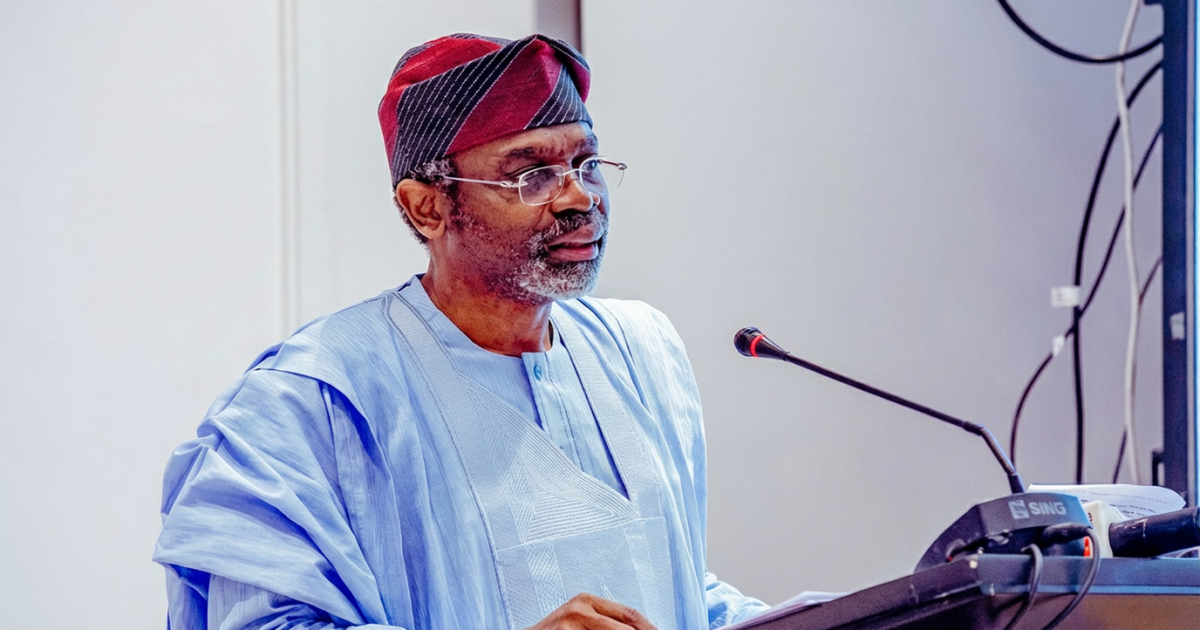
Femi Gbajabiamila, Chief of Staff to President Bola Tinubu, and Emomotimi Gwale, Speaker of the Delta State House of Assembly, have emphasized the critical role of ongoing constitutional reforms in Nigeria. They specifically highlighted the need for establishing a state police force and decentralizing government powers to bolster the nation’s security architecture and enhance federalism.
During their meeting at the 2026 National Assembly Open Week in Abuja, both leaders stressed the importance of transparency, accountability, and cooperation among the executive branch, parliament, and citizens to promote democratic governance.
Gbajabiamila believes that the Open Week should serve a purpose beyond mere ceremonial functions. He insists it must offer tangible opportunities for Nigerians to engage with legislative activities, interact with their representatives, and ensure accountability in public institutions.
He noted that this initiative should empower the public to understand the law-making process, how public resources are allocated, and the significance of legislative oversight in protecting national interests. The former Speaker advocated for inclusive legislation that represents a diverse array of voices—from young people and women to those with disabilities and civil society organizations.
“Transparency transforms constitutional authority into public trust,” he remarked, emphasizing that inclusive reforms lead to institutions that are responsive to changing circumstances and yield better outcomes for the populace. From his experience as Speaker, Gbajabiamila highlighted that effective democratic governance thrives when the executive and legislative branches collaborate within constitutional parameters.
He reassured lawmakers of the importance of focusing on measurable outcomes rather than merely legislative efforts. “As we reflect on the last three years of the 10th Congress, it’s crucial to assess not just the record of work but also its impact—legislation that addresses actual issues, budgets delivering real progress, and oversight enhancing governmental efficiency,” he stated.
Gbajabiamila reiterated the Tinubu administration’s commitment to fostering a productive relationship with the National Assembly, emphasizing the administration’s “New Hope” agenda aimed at improving security, economic rejuvenation, social justice, and inclusive prosperity.
Representing the Conference of State House Speakers, Gwale underscored that insecurity remains Nigeria’s most formidable challenge and that constitutional reform presents an opportunity for stronger governance and national security. He lauded President Tinubu for initiating institutional reforms and commended the National Assembly for advancing discussions on state police and the devolution of powers.
According to Gwale, if the proposed constitutional amendments are enacted and effectively implemented, they could significantly enhance Nigeria’s governance framework, promote intergovernmental coordination, and bring governance closer to the people, thereby embodying the principles of true federalism outlined in the Constitution.
He assured that the House of Representatives Conference would remain dedicated to collaborating with the National Assembly, the Office of the President, and other stakeholders to ensure thorough execution of these reforms for the benefit of all Nigerians. This year’s Parliamentary Open Week aims to promote transparency and inclusivity in the legislative process, with significant reforms on the agenda, including state police, electoral reform, and local autonomy—marking some of the most notable changes since Nigeria’s return to democratic rule in 1999.
