


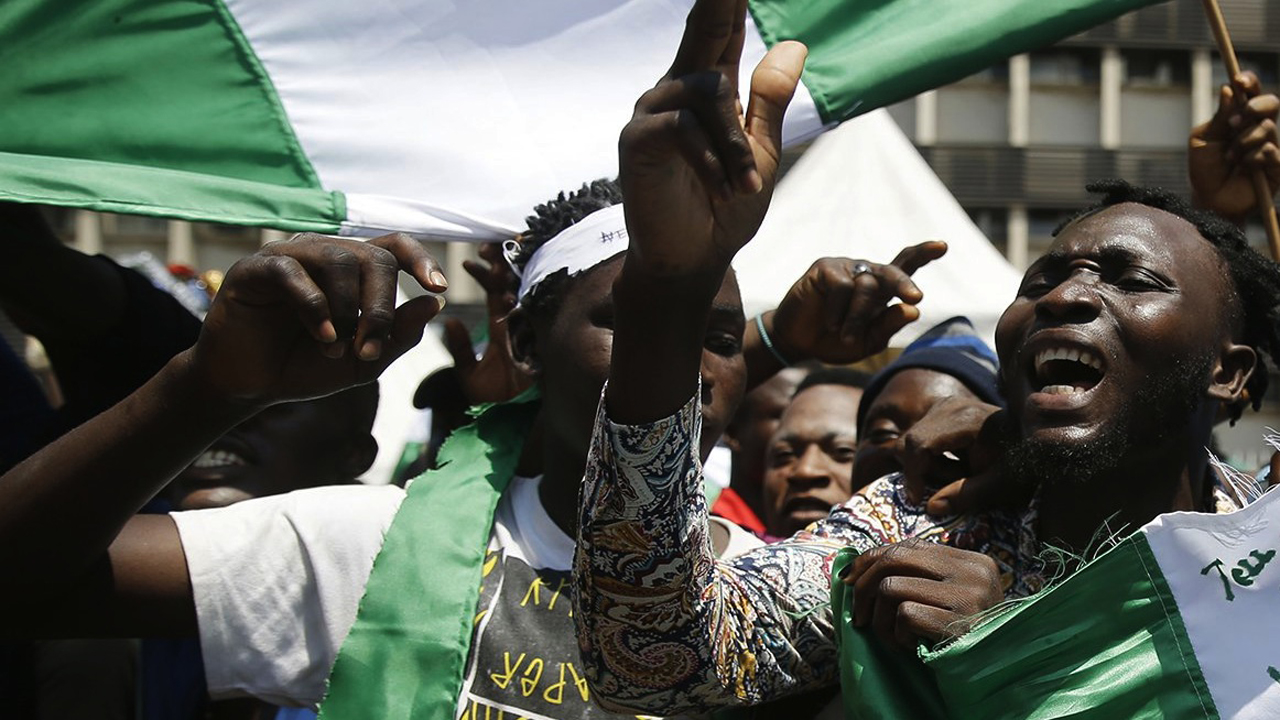
The Challenges Faced by Nigeria’s Democracy
Political philosophers and historians frequently highlight that without moving past superficial political experiments, constitutional democracy cannot yield genuine human development and flourishing. This form of governance should not only be regarded as a political exercise but also as a moral endeavor, reliant on the ethics and virtues of both leaders and the populace. Professor Rocco Buttiglione aligns with the views of Plato, Cicero, James Madison, and Alexis de Tocqueville, asserting that democracies lacking principled leadership are destined to fail. The situation in Nigeria serves as a case in point, where democracy has been compromised by the ascendancy of corrupt individuals and undisciplined groups entrusted with significant responsibilities over the lives of citizens.
Historical Context of Nigeria’s Societal Mechanisms
In traditional Nigerian society, there existed mechanisms designed to root out miscreants, preventing corrupt leaders from rising to power. A notorious thief in a community would face expulsion, regardless of their political status or wealth. Unfortunately, this moral foundation has eroded. The French political economist Fédéric Bastiat aptly describes the current state of the Nigerian political class as legalized plunder, obstructed by a lack of national identity and moral standards. When the government, which is meant to safeguard its citizens, turns against them, it threatens the fabric of the nation. Today, Nigeria is seeing an unprecedented number of miscreants occupying government positions, creating a worrying dichotomy between youthful potential and its corruption.
Character Deficiencies and Their Societal Implications
Recently, I participated in a discussion on the GX Show, hosted by Onyinyechi Ekumankama on Nigeria Info 99.3 FM, focusing on “Character, Nigerian Youth, and Nation Building.” This conversation highlighted the alarming increase in crimes such as ritual killings and horrific acts of violence among the youth, calling into question the foundational character traits that once defined African societies. Historically, traditional family structures nurtured the virtues necessary for responsible citizenship. The societal belief, often echoed, is that the loss of character equates to losing everything. In the past, there was a concerted effort both at home and in schools to instill values like self-discipline, respect, and hard work, fostering strong family bonds essential for personal development.
The Erosion of Family Values and Its Consequences
Sadly, in today’s Nigeria, many individuals are connected to their phones yet falter in exhibiting basic human qualities. A concerning trend in parenting has emerged, where instead of being role models, parents are increasingly modeling negative behaviors. A recent viral video showcased a mother and her young son both intoxicated at a party, leading to disturbing reflections on generational failure. Philip Pilkington rightly observes that strife between generations, exacerbated by societal dysfunction, could lead to irreparable damage in familial relationships. This landscape, if left unchecked, signifies a worrisome trajectory toward increased delinquency amongst youth.
The Crisis of Parenting and Its Far-reaching Effects
The current Nigerian crisis can be viewed as rooted in parental failures. A collapsing family structure has resulted in severe social issues, including ritualistic violence, public misconduct, and an alarming disregard for human life. Legislative reactions, such as proposals for extreme penalties against rapists, highlight a frustratingly superficial approach to a deeply rooted societal crisis. Addressing these symptoms without engaging with the underlying issues only serves to waste valuable time and resources. To counteract the troubling dynamics we witness today, a fundamental reevaluation of the family unit—society’s building block—is indispensable.
The Political Landscape and Cultural Disconnect
As Nigeria approaches its 2023 elections, it is disheartening to see that many candidates are indifferent to the importance of cultural values and shared community ideals that strengthen democracy. This observation reflects a concerning absence of genuine political and ideological commitment among those vying for power. It is clear that unless Nigeria aligns itself with higher cultural and ethical standards, it risks continued decline. The disconnect between national ideals and political action has culminated in moral bankruptcy that hinders progress. To facilitate effective governance, a harmonious blend of culture, communal values, and public life is essential.
