


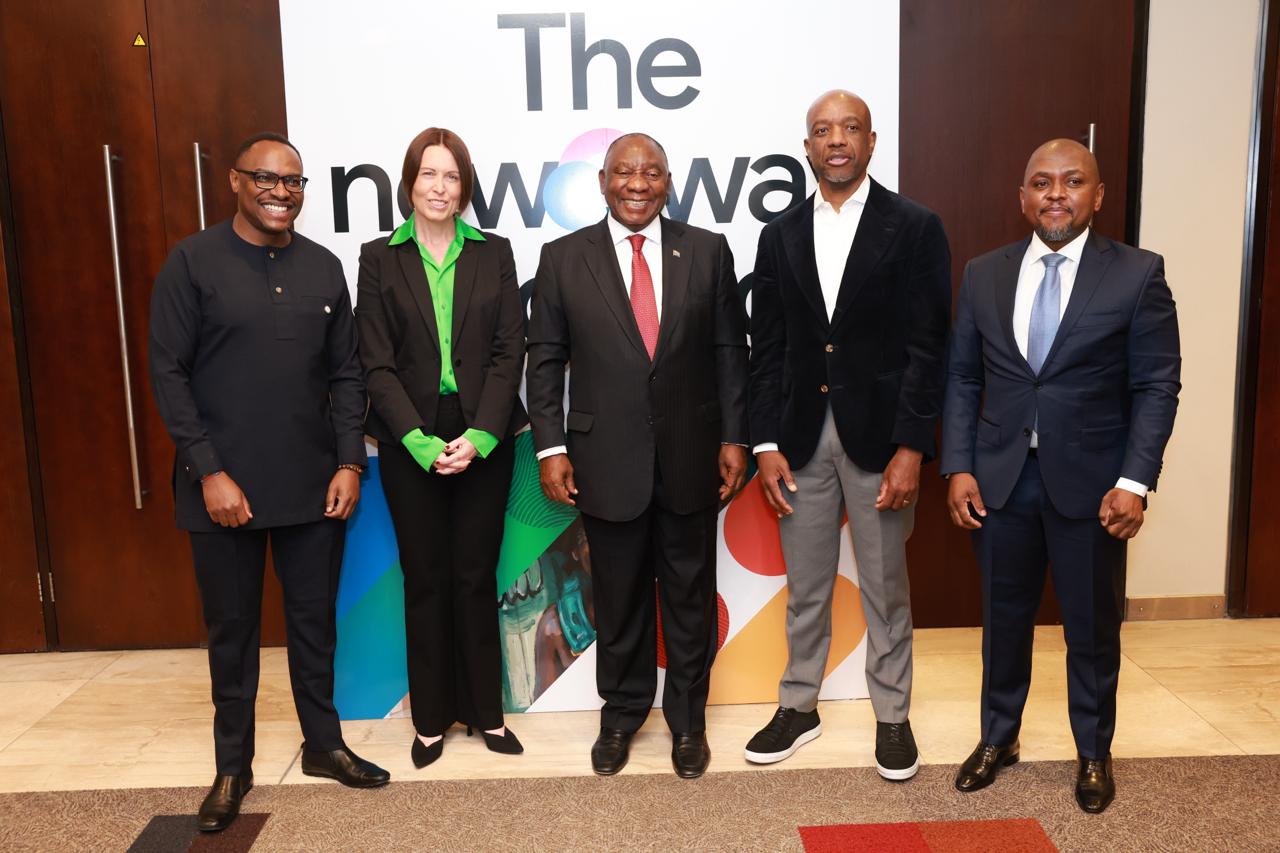
Google has broadened its long-term technology strategy in Africa, unveiling a series of investments in infrastructure, artificial intelligence, and startups during the inaugural Google Cloud Africa Summit 2026 in Johannesburg. This significant event attracted over 3,000 executives, developers, public sector leaders, and tech partners, showcasing the company’s extensive plans that extend beyond cloud offerings to encompass research, digital skills development, and AI entrepreneurship.
In his opening remarks at the summit, South African President Cyril Ramaphosa emphasized the pivotal role of artificial intelligence in shaping the country’s digital economy. He expressed South Africa’s ambition to serve as a catalyst for Africa’s technological advancement, marking AI as a fundamental opportunity for growth.
This latest announcement builds on Google’s substantial investments across the African continent, which include the establishment of the Johannesburg Cloud Region, a $1 billion commitment to regional development, funding for AI research, and the launch of an AI community center in Accra, Ghana.
Investment Initiatives Highlighted at Africa Cloud Summit
Under the “Building for Africa” program, Google has introduced five key initiatives aimed at enhancing infrastructure, AI research, education, and startup growth. One of the most notable projects is the construction of Africa’s first digital exchange port in the Eastern Cape of South Africa, which will facilitate direct connectivity between the continent and Australia via the Umoja submarine cable, while also adding a new route to India. This infrastructure investment is designed to bolster international connectivity, enhance network resilience, and support cloud services throughout Africa.
Additionally, Google disclosed plans to create Africa’s first Applied AI Lab at the AI Community Center in Accra. This lab will unite Google Research, the Google AI Futures Fund, and venture capital partners to collaborate with African founders in developing AI solutions tailored to local markets. Selected startups will gain access to cutting-edge AI models and technical assistance from Google researchers, with applications for this initiative open until the end of August.
Digital Infrastructure Underpins Google’s AI Aspirations
The connectivity hub exemplifies Google’s vision of digital infrastructure as the cornerstone for AI deployment. Beyond merely enhancing cloud capacity, the company is investing in the broader network that supports its AI workloads. With organizations increasingly deploying AI applications reliant on cloud computing and extensive data processing, improved international routing and robust network resilience are becoming increasingly vital.
The Digital Exchange Port complements Google’s ongoing investments in undersea cable infrastructure, which links Africa to global internet pathways, further solidifying its commitment to enhancing connectivity on the continent.
Applied AI Lab Bridges Access to Google’s Expertise for African Startups
The establishment of the Applied AI Lab establishes a direct connection between Google’s research teams and African entrepreneurs, moving beyond traditional grant and accelerator support. This initiative will help founders create products tailored to the nuances of African languages, local business contexts, and specific regional challenges. Google aims to foster a new generation of AI-native companies capable of serving national markets while remaining competitive on the global stage.
This approach echoes the broader strategy articulated by Alex Okosi, Google’s Africa managing director, who recently shared insights on the TechTrends podcast. He noted that African startups are ideally positioned to capitalize on commercial opportunities by addressing local challenges before scaling to other regions. Additionally, he discussed how AI presents practical solutions to enhance efficiency, accelerate profitability, and establish sustainable businesses.
Education and Entrepreneurship Key to Google’s Future Plans
Google’s infrastructure announcements were complemented by new educational and entrepreneurship initiatives. In partnership with The Akuna Group, Google.org will invest over $1 million to help African creators develop AI-driven creative skills and digital storytelling abilities. Furthermore, through collaboration with WeThinkCode, the company will fund the Digital Innovation Center at South West Gauteng TVET College’s George Taber Campus in Soweto, aiming to broaden access to digital skills training for students with previously limited opportunities in technology fields.
Startup investment continues to be a focal point in Google’s strategy, as it prepares to open applications for the 2026 South African Google for Startups Accelerator on July 21. This program aims to support 15 AI-focused startups with mentorship, technical resources, and equity-free funding, as part of a commitment to back 50 African ventures between 2024 and 2028.
Enterprise AI Adoption Advances Beyond Testing Phases
During the summit, Google Cloud underscored the shift among African businesses from piloting AI tools to deploying them within operational frameworks. Companies such as Vodacom, Discovery, Pepkor, and Naspers are utilizing Google’s cloud platform to construct autonomous AI agents, streamline business processes, and develop innovative digital offerings.
James Manyika, Google’s senior vice president of research, labs, technology, and society, highlighted that the latest investments concentrate on bolstering infrastructure, fostering African-led innovation, enhancing education, and nurturing partnerships that can drive scalable AI development throughout the continent. Maureen Costello, Google Cloud’s vice president for the UK, Ireland, and Sub-Saharan Africa, reinforced that the new Johannesburg cloud region will serve as a foundational platform for entities focused on developing large-scale AI applications.
Comprehensive Ecosystem Strategy Shapes Google’s African Agenda
When viewed collectively, these announcements showcase a unified strategy rather than a disjointed assembly of projects. Google is fundamentally reshaping the infrastructure necessary for cloud services, creating tailored research programs for AI entrepreneurs, expanding educational opportunities, funding startup growth, and forming synergies with governments and businesses to facilitate AI integration.
This strategic framework reflects Google’s approach to advancing its initiatives across Africa: prioritizing infrastructure, followed by skill development, startup support, and enterprise application, all underpinned by collaboration among stakeholders. The result is a well-rounded plan that positions Google as more than a mere cloud service provider; it aims to be a long-term player in Africa’s AI economic evolution.
For more technology and business developments from Africa and around the globe, please visit TECHTRENDSKE.co.ke.
