


Heightened Fear Among African Immigrants in South Africa
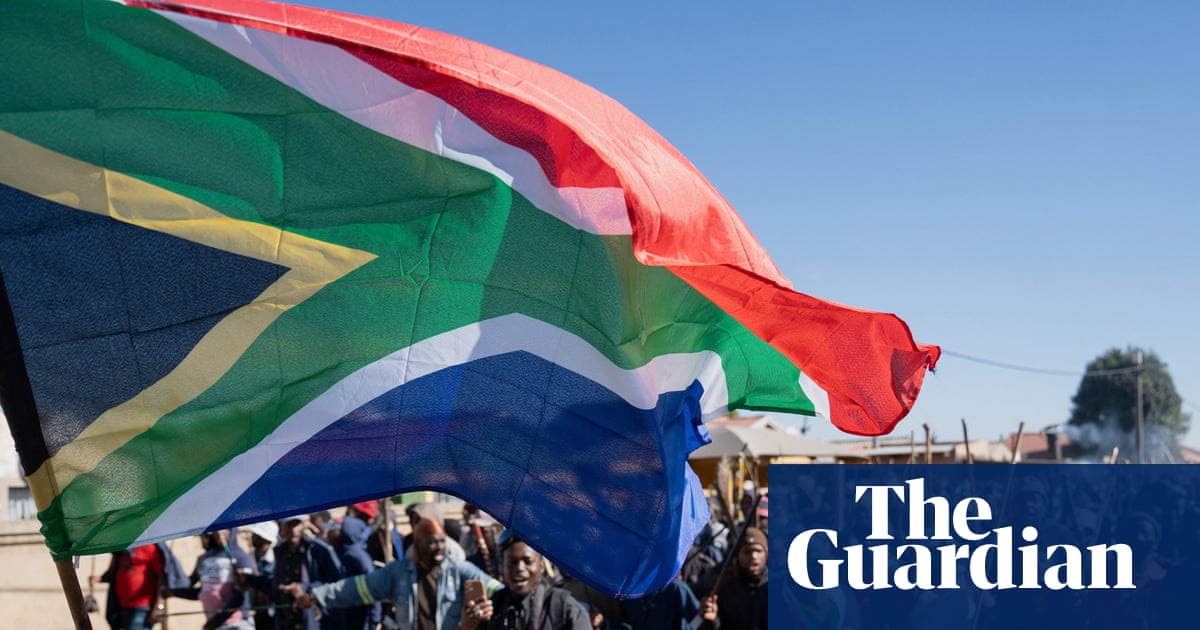
African immigrants residing in South Africa report a palpable sense of fear following a series of protests aimed at renewing xenophobic sentiments within the nation. The campaign group March and March, which is behind these demonstrations, has demanded that illegal immigrants leave the country by June 30, although they have not specified the consequences for those who remain.
Violence Erupts Amid Tensions
In a disturbing escalation, Mozambique announced in late May the deaths of five of its citizens in what it termed a “xenophobic attack.” According to South African police, violence in Mossel Bay has resulted in the deaths of two Mozambicans and one South African. In light of the unrest, around 100 individuals from Mozambique and Malawi sought refuge in Kleinmond Town Hall after local residents demanded that foreigners vacate the surrounding informal settlement.
Seeking Help to Return Home
Many displaced individuals have turned to their home governments for assistance in returning. Ghana, for instance, has arranged flights for hundreds of its citizens to leave South Africa. An Ethiopian entrepreneur, who relocated to South Africa in 2000 and is married to a local woman, expressed deep concern: “Every day I encounter people living in extreme fear.” The couple has a 19-year-old daughter and feels vulnerable despite holding legal documentation.
Historical Context of Migration and Tensions
South Africa has a long history of employing migrant workers, particularly in its mining sector. The election of Nelson Mandela in 1994 marked a welcoming stance towards African immigrants, coinciding with economic turmoil and hyperinflation in neighboring countries like Zimbabwe, which drove many to seek better opportunities in South Africa.
Rising Xenophobia and Public Sentiment
Persistent unemployment and inequality have fueled resentment against immigrants, with many South Africans blaming them for their struggles. Previous outbreaks of violence, such as the riots in 2008 that left over 60 dead and displaced more than 150,000, have heightened tensions. Data reveals that the percentage of South Africans viewing immigrants positively has plummeted from 25% in 2020 to just 15% in the last year, amidst a sharp rise in the unemployment rate, which now stands at 43.1%.
Political Responses to Rising Anti-Immigration Sentiments
Jacinta Ngobese Zuma, leader of the March Party advocating for mass deportations, claims that the number of illegal immigrants in South Africa may range from 15 to 30 million, stating, “South Africa is currently being invaded.” The March Party, established in early 2025, has mobilized protests in several cities, including Kgompo, Durban, Johannesburg, and Pretoria. Smaller political factions, such as ActionSA and Jacob Zuma’s uMkhonto we Sizwe, have joined the movement to garner support ahead of local elections in November.
Government’s Stance and the Way Forward
In response to the growing concerns regarding immigration, South African President Cyril Ramaphosa acknowledged the legitimate worries of citizens in a recent televised address. He has committed to intensifying measures against illegal immigration and corruption within border control. “Only state employees are authorized to request proof of citizenship,” he stated, emphasizing that the government will not allow the legitimate concerns of South Africans to be exploited for unlawful actions.
Political analysts note the volatility of the situation and caution that parties aligning themselves with anti-immigration sentiments may bear responsibility for any ensuing violence. Conversely, African migrants are left to navigate an uncertain future, with individuals like Sandy Khumalo, who owns a restaurant catering to Zimbabweans, expressing anxiety over the developments. “I’ve been here since 2009; this is my home, and the stress is mounting as uncertainty looms,” she remarked.
