


This article is part of a collaborative project involving the Guardian’s expert network for the 2026 World Cup, featuring insights from leading news organizations in the 48 qualifying nations. Daily previews are being published as the tournament, set to begin on June 11, approaches.
Japan’s Ambitious World Cup Strategy
Japan is no longer seen as a mere underdog in the world of football, especially after their notable victories against Germany and Spain in the 2022 tournament. Under head coach Hajime Moriyasu, who has spearheaded the team for nearly eight years, Japan has developed into a formidable competitor capable of not just surviving but prevailing against elite teams. This was further underscored by their victories against Brazil in October and England at Wembley in March.
The anticipated formation is 3-4-2-1, though the team has displayed tactical adaptability, as evidenced by their use of a 3-1-4-2 setup against England. Key to their strategy is an aggressive pressing approach, with standout players such as Takefusa Kubo, Ritsu Doan, Keito Nakamura, and Junya Ito excelling in applying pressure on their opponents.
Leading the attack is Feyenoord’s Ayase Ueda, who clinched the Eredivisie Golden Boot in the 2025-26 season by scoring an impressive 25 goals in 31 matches. In goal, Parma’s Zion Suzuki is set to defend the net, while the back line features strong players like Hiroki Ito, Shogo Taniguchi, and Tsuyoshi Watanabe, ensuring a robust defense.
Japan: Group F Fixtures
June 14 vs. Netherlands, Dallas (3 PM local, 9 PM BST, midday June 15 AEST)
June 20 vs. Tunisia, Monterrey (9 PM local, June 21 5 AM BST, June 21 2 PM AEST)
June 25 vs. Sweden, Dallas (6 PM local, midnight BST June 26, 9 AM AEST June 26)
Kaishu Sano is expected to anchor the midfield, highlighting the squad’s depth, as players like Takehiro Tomiyasu and Wataru Endo occasionally find themselves on the bench. Although injuries to Takumi Minamino and Kaoru Mitoma present challenges, Japan’s resilience means the team can thrive without any single star player. Crystal Palace’s Daichi Kamata is also critical to the team’s strategy.
Group F poses a significant challenge, as they face strong squads from the Netherlands and Sweden, along with Tunisia, which might present the toughest style matchup. Nevertheless, expectations are soaring back home. Former coach Akira Nishino, who led Japan during the 2018 World Cup, emphasizes the team’s unique unity, stating, “This group of players fights together, and their individuality emerges in that unity. These ‘Japanese’ individuals have strengths.”
The Coach’s Philosophy
Hajime Moriyasu, a former defensive midfielder for Sanfrecce Hiroshima and the national team, has meticulously crafted the current squad since taking the helm after the 2018 World Cup. His approach prioritizes harmony, discipline, and continuity, integrating emerging talents alongside experienced players. Although Moriyasu’s strategies may appear traditional, they have cultivated a stable, competitive environment as he refines his blueprint for success with the World Cup nearing.
Key Player: Takefusa Kubo
Takefusa Kubo is the dynamic force driving Japan’s offensive play. His exceptional dribbling skills and acute sense of timing enable him to draw defenders and exploit openings. Known early in his career as the “Japanese Messi,” Kubo signed with Real Madrid at just 18 years old, before finding his stride at Real Sociedad in 2022, where he became central to the attack. His recent contributions include an assist and a crucial goal that secured Japan’s World Cup qualification.
Emerging Talent: Zion Suzuki
Tasked with safeguarding Japan’s goal, Zion Suzuki possesses the physical attributes and skill set necessary for a top-tier goalkeeper. Despite facing scrutiny during the Asian Cup and recovering from a hand injury that impacted his grip strength, Suzuki has continued to develop through club competition. His potential is significant, and he may define the future of Japanese goalkeeping for the next decade.
Unsung Contributor: Hiroki Ito
Hiroki Ito, tall at 1.88 meters and left-footed, plays both as a center back and left full-back. His blend of size, adaptability, and technical prowess is crucial for the team’s defensive strategy. Although injuries have hindered his progress at the club level, playing for Bayern Munich showcases his capabilities. Ito emphasizes learning smart defensive tactics during his time in Germany and attributes his growth to his diverse footballing background.
Fan Presence and Culture
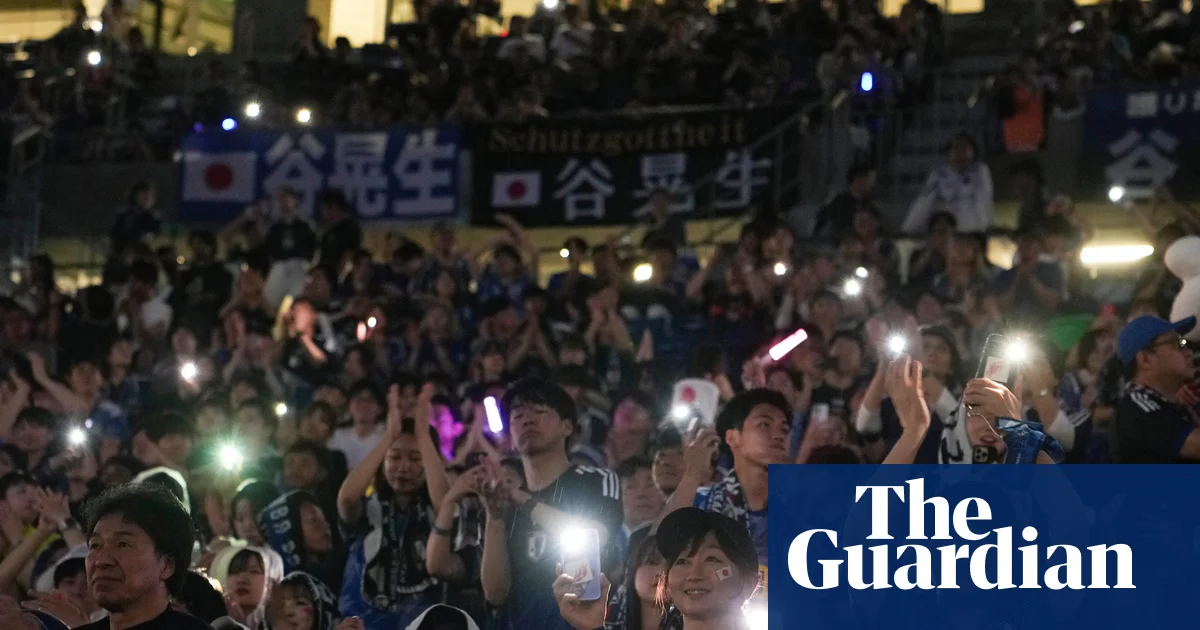
Japanese supporters are recognized globally for their disciplined and organized demeanor. The stands will feature the national team’s iconic blue, accompanied by rhythmic “Nippon” chants resonating across stadiums. Unlike the often intense and flamboyant crowds typical of Western teams, Japanese fans showcase a unique blend of respect and camaraderie, reinforcing collective spirit.
Their tradition of cleaning up after matches has drawn admiration in previous World Cups, underscoring the cultural values of responsibility and civility prevalent in Japan. With a surge in local fan attendance anticipated this year, the vibrant sea of blue in the stadium is expected to shine brighter than ever before.
Political Neutrality in Football
The Japanese national team and the Japan Football Association are unlikely to engage in political discourse concerning the U.S. or Donald Trump, driven by a longstanding relationship between the two nations. This reflects Japan’s broader inclination toward minimizing controversy while demonstrating respect for host countries. This sentiment is reciprocated, with U.S. Secretary of State Marco Rubio noting a positive evolution in U.S.-Japan relations under President Trump, which fosters regional peace and prosperity.
Takashi Ogami writes for Weekly Magazine.
