


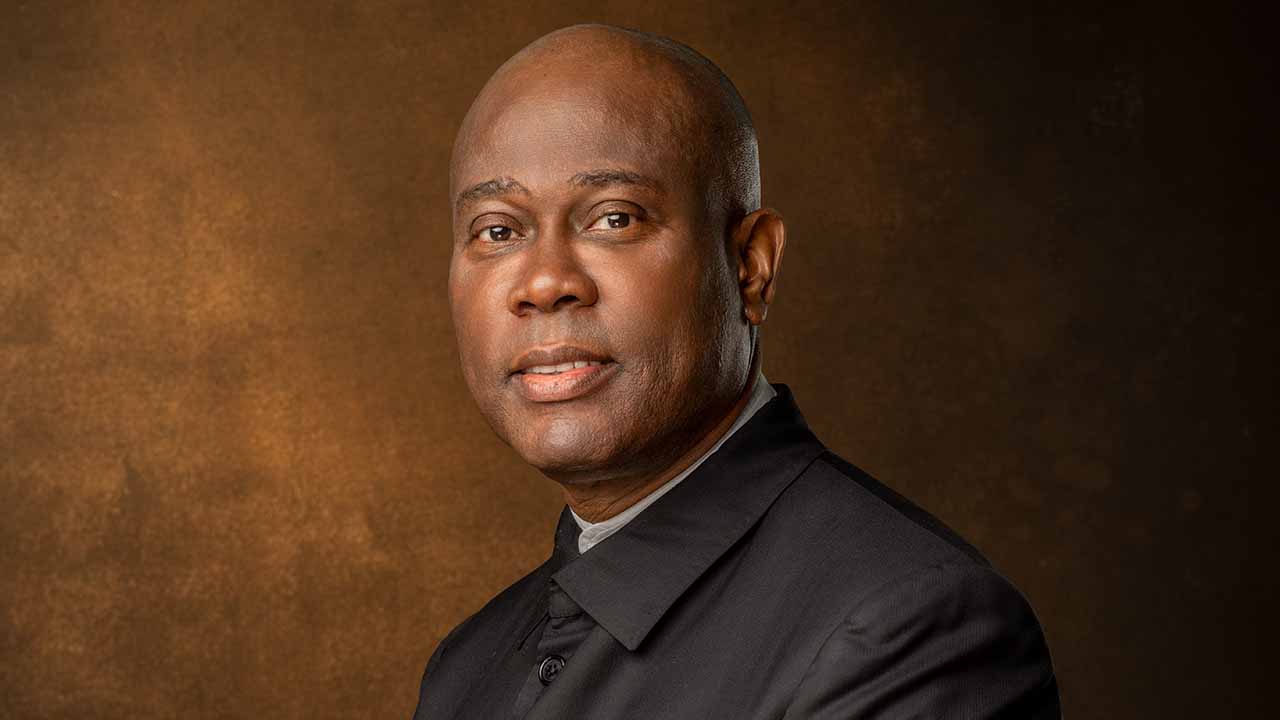
Remembering Herbert Wigwe: A Catalyst for Change in African Banking
The tragic passing of Herbert Wigwe and his wife, Chizoba, on February 10, 2024, has left a profound impact on many, including their son Chizi and mutual friend Bimbo. As I reflect on his life, I find it difficult to articulate my thoughts. Just hours ago, I attended their burial, and only days earlier, we laid to rest Bimbo. My thoughts and prayers are with them.
Reflecting on Herbert’s Legacy
Since the heartbreaking events on the evening of February 9, 2024, tributes have poured in from various sources, highlighting Herbert’s remarkable life, his philanthropic efforts, and his undeniable impact on the banking sector. Many revered him for his courage, compassion, and familial devotion. However, rather than diving into personal anecdotes, I want to focus on the broader implications of his passing, particularly how it may catalyze change in Africa’s banking landscape.
The Lasting Impact of Tragedy
Herbert’s death is not just a personal loss; it is a pivotal moment for the African banking sector. In the face of grief, we must recognize that this tragedy holds the potential to spur necessary change. To date, few bankers’ deaths have elicited such widespread emotional responses globally. This moment calls for collective introspection and action.
Lessons from History
Ignoring the weight of Herbert’s story would be a grave mistake. Throughout history, significant events have reshaped societies. From the tragic events of September 11, 2001, to the impactful assassination of Dr. Martin Luther King Jr., moments of sorrow have often led to seismic shifts in societal perspectives. In this spirit, my intent is to emphasize Herbert’s enduring influence rather than merely memorialize him.
A Friendship Forged in Business
My relationship with Herbert traces back to our early careers in banking during the late 1990s. He was at Guaranty Trust Bank in Lagos while I worked at Afreximbank in Cairo. Our paths frequently crossed as we explored business opportunities, forging a friendship characterized by a shared vision for Africa’s economic landscape. Even as we ascended to executive roles, our bond remained strong, epitomized by productive discussions that led to innovative solutions to complex challenges.
Pioneering Development Commercial Banking
Herbert was an advocate for a banking model that straddled commercial objectives and developmental goals. He exemplified the notion that banking could be a powerful tool for social change, a philosophy that aligns closely with Afreximbank’s mission. His untimely passing presents an opportunity to elevate ‘development commercial banking’ in Africa, wherein financial institutions actively foster socio-economic growth while generating solid financial returns.
Consolidating a Vision for the Future
Herbert’s vision was not only about banking; it was fundamentally about empowering communities and driving sustainable economic growth. Collaborations between Access Bank and Afreximbank aimed at tackling infrastructural challenges in Nigeria exemplified this vision. Prior to his death, we had discussed a substantial funding initiative that would mobilize capital for high-impact projects across several states, underscoring Herbert’s commitment to transformative change.
Embracing Herbert’s Spirit for Future Generations
Herbert’s legacy compels us to rethink and reshape banking in Africa. As we move forward, we must embrace his spirit of innovation and collaboration. Initiatives like the African Trade Museum and the Afreximbank Academy aim to promote the principles of development commercial banking, ensuring that his vision lives on in the educational curricula of future leaders. The call to action is clear: we must harness this moment to inspire a new wave of economic empowerment across the continent.
Professor Olama serves as the President and Chairman of the Board of Afreximbank.
