


House of Commons Committee Suspends Payments to ZTE Over CCTV Project Concerns
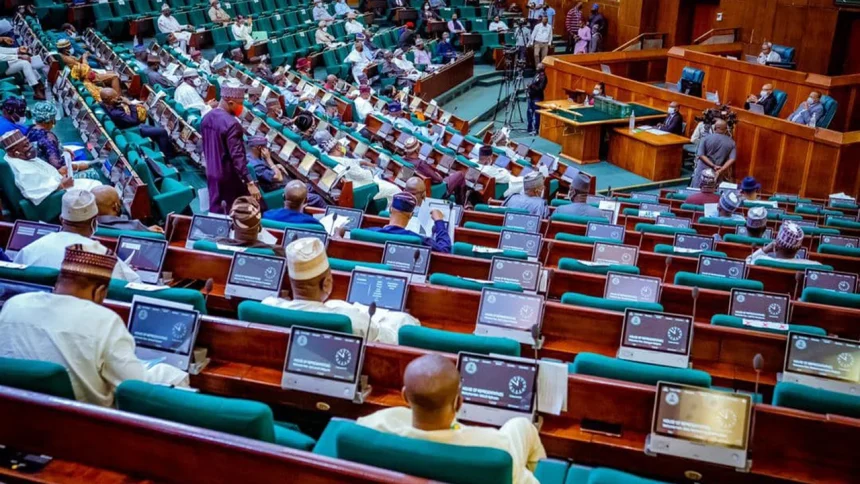
The House of Commons Select Committee has ordered a suspension of further payments to ZTE Corporation regarding the contentious $460 million closed-circuit television (CCTV) surveillance initiative in the Federal Capital Territory. This decision comes amid rising concerns about the project’s unclear scope, location, and current status.
During a recent session, the committee highlighted discrepancies in the company’s submissions, calling for more transparency and accountability. Lawmakers have mandated ZTE to furnish extensive documentation, which includes records of equipment supplied and installed, the specific locations of the camera systems, and the contact details of the 456 Nigerians that the company claims were trained for project operation and management.
This resolution emerged following an investigative hearing in the National Assembly, initiated by Ali Shettima, the lawmaker representing the Burusari/Geidam/Yunusari Federal Constituency, and supported by Kolawale Akinlayo from Ekiti. The committee aims to ensure proper oversight of the substantial public funds invested in this project.
Committee Chairman Donald Ojogo emphasized that the investigation is not intended as a personal attack on any individuals or organizations involved. “We seek clarity on questions that are pressing for the Nigerian populace. We ask the company to respond based on the available documentation,” he stated, setting a cooperative tone for the discussion.
Irene Momo, ZTE’s Secretary, provided some context, explaining that the company completed the installation of CCTV equipment in Abuja and Lagos between 2011 and 2012. However, when pressed for information about the current operational status of the cameras, Momo admitted uncertainty, acknowledging the lack of confirmation on whether the systems are functional at this time.
Lawmakers expressed strong concerns regarding the absence of a sustainable maintenance framework for such a large-scale project. Momo clarified that the initial contract included three months of maintenance, which was later extended to six months, but lamented that government funding for continued operation did not materialize.
The discussion further intensified as committee members questioned ZTE’s claims regarding the project’s extent and delivery. Edo MP Iyawe Esosa referenced official documents that suggest the surveillance equipment is not just limited to Abuja and Lagos, but has purportedly been installed in several locations in Edo State, where he asserts no such cameras are present. Akinlayo echoed these sentiments for Ekiti State, arguing that the listed locations show a glaring absence of surveillance infrastructure.
Tensions rose when Momo attributed some issues to his relatively recent arrival at ZTE in 2023, stating that many officials involved in the original deal had departed. In response, lawmakers accused him of dodging accountability and threatened to escalate the matter to the Nigerian Bar Association for potential disciplinary actions against him.
In light of these developments, the President of the Central Bank of Nigeria, Josiah Okike, recommended that the committee coordinate its efforts through the Accountant General of the Federation to ensure proper implementation of its oversight directives. He also revealed that ZTE is slated to receive $15.37 million by March 2026 as part of a loan repayment arrangement.
The CCTV initiative, launched during the tenure of former President Goodluck Jonathan, aimed to bolster security through modern surveillance systems. Funded by a loan agreement with the Chinese government, the project was designed to deploy thousands of cameras across major urban centers, including Abuja and Lagos, while establishing a command center to support law enforcement efforts.
Despite being heralded as a groundbreaking move to address issues such as terrorism and urban crime, the project has faced significant scrutiny. Years after its anticipated completion, the operational status of the surveillance infrastructure remains questionable, with little evidence of functionality in many reported areas. Ongoing criticisms of governmental management, funding inadequacies, and allegations of contract mismanagement have also surfaced, underscoring the pressing need for accountability in public investments associated with national security.
