


Forecast Calls for Moderate Hurricane Season This Year
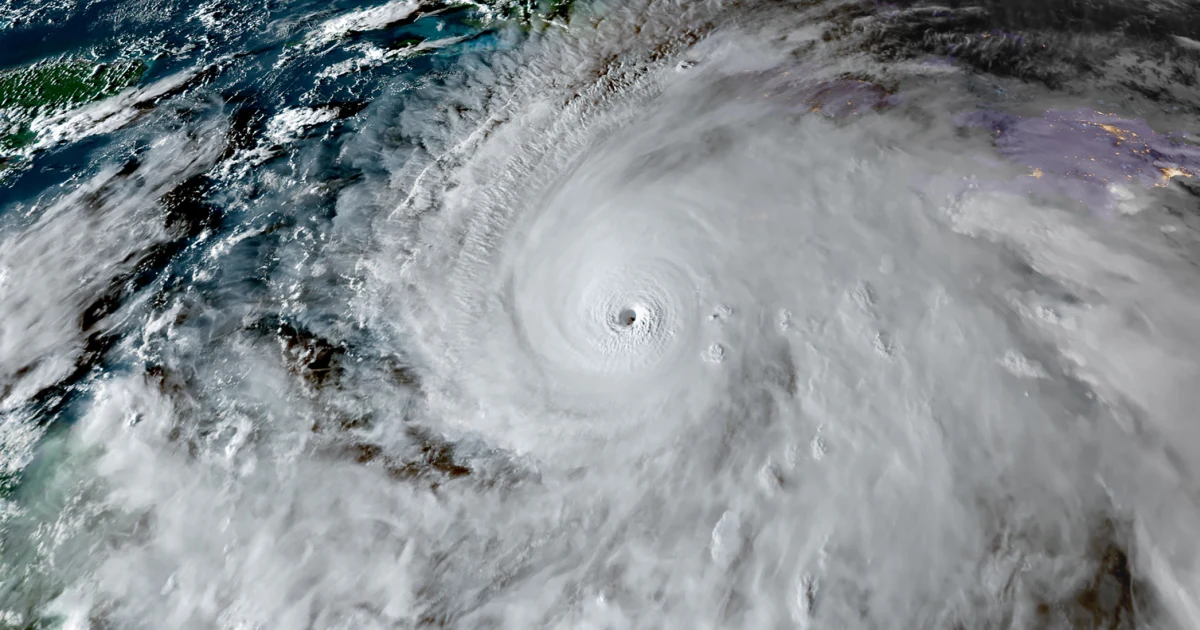
The Atlantic hurricane season commences on Monday, with forecasters predicting a notably more tempered storm activity than in recent years. This marks the first time in over a decade that such a below-average expectation has been voiced.
This outlook is primarily shaped by an anticipated strong El Niño pattern, recognized for contributing to a reduced number of hurricanes in the Atlantic. In contrast, the Pacific Ocean is projected to experience a more active season.
Outlook for U.S. Hurricane Landfall
Most hurricanes impacting the United States typically originate from the Atlantic. The National Oceanic and Atmospheric Administration (NOAA) anticipates between three and six hurricanes this year, categorized as storms with wind speeds of 124 mph or higher, alongside eight to 14 named tropical cyclones. However, it is important to note that this forecast does not signify whether these storms will make landfall.
The Impact of Individual Storms
“It only takes one,” remarked Ken Graham, Director of the National Weather Service, during a recent press conference regarding their forecasts. He highlighted the historical precedent set by Hurricane Andrew in 1992, one of the most costly hurricanes in history, which occurred during a season marked by fewer tropical cyclones than typical.
Graham further noted that even in a below-average season, the potential for severe storms persists. “Even if there are fewer storms, there can still be big storms,” he cautioned.
Consistency Across Forecast Models
NOAA’s predictions align with forecasts from various sources. A platform managed by Colorado State University and the Barcelona Supercomputing Center aggregates predictions from 23 hurricane forecasting centers, indicating an expected average of five hurricanes this season, compared to the typical seven. Last year, the Atlantic experienced five hurricanes, which was below NOAA’s forecast of six to ten.
Understanding El Niño’s Role
The El Niño phenomenon involves a cyclical increase in surface temperatures across the tropical Pacific Ocean, affecting hurricane formation by altering vertical wind shear—differences in wind speed and direction at various atmospheric levels. Hurricanes flourish in conditions of low wind shear as they can develop a robust rotation, effectively drawing heat and moisture toward their centers.
Conversely, El Niño conditions heighten vertical wind shear in the Atlantic, hindering the development of tropical disturbances into hurricanes, while the Pacific experiences a decrease in vertical wind shear, fostering an environment conducive to storm activity.
Predictions for the Pacific and Weather Implications
Forecasters expect a robust El Niño to develop shortly, with NOAA estimating an 82% likelihood of this pattern officially transitioning by July and a 96% chance of its occurrence spanning from December to February 2027. Aside from its influence on hurricane activity, El Niño also significantly impacts broader weather patterns across the United States.
Regions may experience heightened temperatures, exacerbated by global warming. Notably, the Pacific Northwest’s El Niño summers often intensify drought conditions, while the Southwest may see a dampening of the early summer monsoon but potentially wetter winter weather.
Potentially Significant Pacific Hurricane Activity
NOAA projects the formation of between nine and 14 hurricanes in the Pacific this season. While these hurricanes rarely affect the continental U.S. directly, they can still disrupt weather patterns significantly. Hurricane Hillary, which formed in August 2023, was downgraded to a tropical storm upon reaching California, yet its moisture set precipitation records in four western states.
In the same timeframe, Hurricane Dora passed within approximately 400 miles of Hawaii, bringing gusty winds that contributed to the destructive Lahaina Fire on Maui. Since Hurricane Iniki’s impact in 1992 on Kauai, the islands have largely avoided direct hits, although recent storms have led to severe flooding.
In the spring, areas of Hawaii, including Maui and Oahu, faced notable flooding due to atypical storm patterns. In anticipation of the hurricane season, many Hawaiians are on edge, acutely aware that even nearby storms can unleash dangerous winds and intense rainfall.
