


Federal Raids Target Immigrant Activists in Southern California
Federal agents recently conducted raids at the homes of three immigrant activists in Southern California, marking what advocates describe as an intensified effort by the Trump administration to intimidate volunteer-led organizations that monitor ICE activities. These raids have raised significant concerns regarding civil rights and the treatment of immigrant communities in the region.
Agents from Homeland Security Investigations (HSI), a key component of the U.S. Department of Homeland Security, executed a pre-dawn raid on May 13, targeting Leonardo Martinez’s residence and business. Martinez leads VC Defensa, an organization that operates a rapid response hotline to support immigrant families across Ventura County. Other current and former volunteers from VC Defensa also had their homes searched during this operation, although no arrests were made.
This incident follows an earlier HSI operation in October, during which several members of VC Defensa were arrested after protests erupted against a significant ICE raid on a local cannabis facility. The group’s early warning about the raid allowed community members to mobilize in defense of their neighbors.
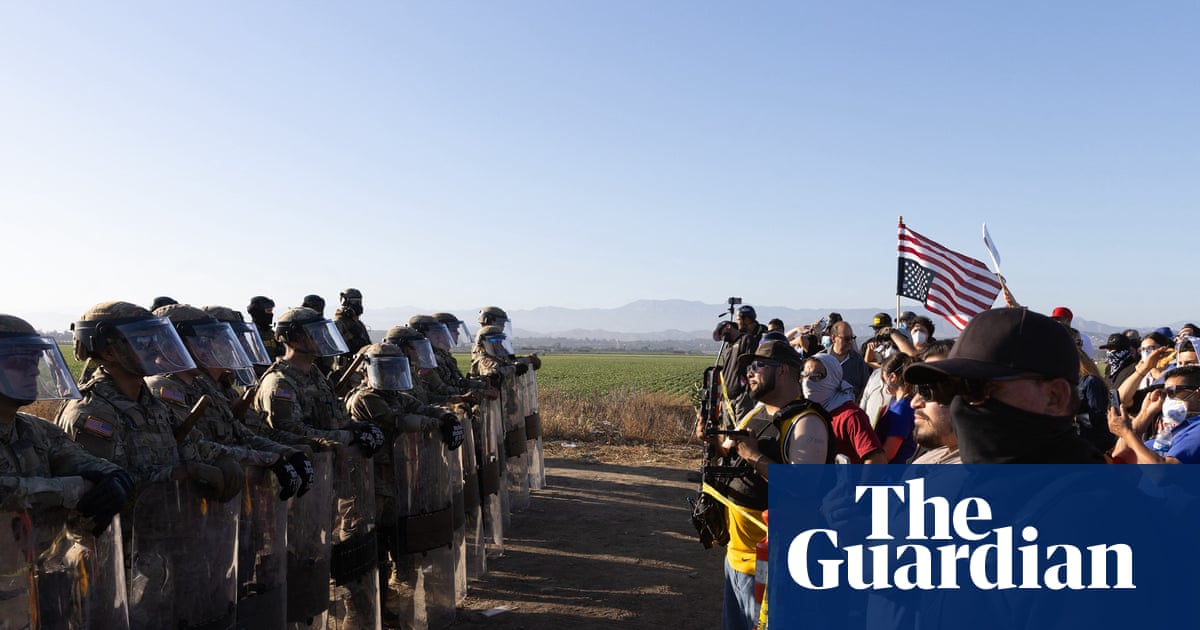
The botched July raid resulted in the death of a farm worker and numerous arrests, occurring under the protective presence of National Guard troops. In response to the recent raids, VC Defensa’s lawyer, Reem Yassin, characterized the HSI actions as a “fishing expedition” fueled by a “baseless” search warrant. Yassin emphasized that these tactics aim to intimidate activists and suppress their free speech rights.
In a demonstration of solidarity, supporters gathered outside the federal building in Los Angeles, chanting “Trump, Escucha, Estamos en la Lucha!” (Trump, listen, we’re fighting!). Yassin announced that a coalition of lawyers is preparing to file a civil lawsuit against the federal government for violating the constitutional rights of the volunteers.
Martinez, who asserts that ICE officers are the ones engaging in unlawful behavior, highlights a disparity in accountability. “If we did even a fraction of what they did to us, we’d be rounded up and thrown into a federal facility immediately,” he stated. VC Defensa leader Rainy Yongpian reassured supporters of their commitment to continuing their fight for justice and community support amidst these challenges.
Community Vigilance During Early Morning Patrols
The day before the raid, Martinez was conducting a patrol in Oxnard, roughly 60 miles north of Los Angeles. Oxnard, an agricultural hub, has a predominantly Latino population, many of whom are undocumented workers. At 5 a.m., Martinez navigated the foggy streets in a modified pickup truck equipped with a loudspeaker, dash cameras, and floodlights, aiming to spot potential ICE vehicles.
Martinez established VC Defensa shortly before President Trump’s second term began, and the organization has grown to include over 1,000 volunteers. On that particular morning, about 40 volunteers were dedicated to monitoring for ICE activity. This patrol marked the first occasion a journalist accompanied them.
During the early hours, neighborhood streets filled with the activity of workers commuting to agricultural jobs, coinciding with a surge in ICE arrests in recent months. Martinez’s strategy involves engaging with residents, distributing hotline numbers, and organizing training sessions to empower the community with their rights. This proactive approach has earned them both respect from law enforcement and criticism from various quarters.
While observing recent ICE operations, Martinez and his volunteers have successfully intervened multiple times, providing critical support to families facing deportation. Although VC Defensa’s patrols receive significant attention, Martinez insists that the bulk of their work focuses on community support—offering legal aid, childcare, and even transportation assistance to families affected by ICE actions.
Analyzing the Pattern of Targeting by Federal Agents
Less than 24 hours after the patrol, Martinez and his mother were jolted awake at 3 a.m. by loud noises outside their home. Before they could react, federal agents forcibly entered their residence, handcuffing Martinez while agents simultaneously targeted his business in Oxnard and another activist’s home. Photographic evidence revealed significant damage to both locations.
With more than 100 federal officers present during these raids, the scale of operation is alarming. Search warrants suggested efforts to uncover evidence of a conspiracy aimed at impeding federal officials or damaging government assets. Among the items seized from Martinez’s business were personal belongings, including a computer and a USB drive, raising concerns over privacy and potential misuse of information.
Federal authorities have described the raids as part of an ongoing investigation into “individuals associated with anti-ICE organizations” but refrained from commenting further, citing the active nature of the investigation. This lack of transparency has further fueled accusations of systemic repression against activist groups like VC Defensa, with Yassin asserting that over 50 individuals involved with the organization have faced harassment or legal actions in recent months.
Martinez and his supporters draw historical parallels to previous government initiatives aimed at silencing dissent. Claims that the Department of Homeland Security and the FBI are scrutinizing VC Defensa as part of a broader investigation into potential domestic terrorism have raised alarm bells within activist circles. Although numerous protestors have faced charges during confrontations with immigration enforcement, prosecutions have often faltered due to contradictions in witness testimonies.
Expressions of Gratitude for Community Support
At a press conference following the raids, Martinez addressed attendees in Spanish, expressing deep gratitude for the ongoing support from the community. “The work we do every day is an act of gratitude to our parents,” he stated, reflecting on the sacrifices made by families in pursuit of a better life.
Just days prior, while sharing a meal with fellow activists, he reiterated this sentiment to a community member who thanked them for their advocacy. This exchange highlights the personal connections that underlie their mission. The volunteers, who balance their activism with other jobs, reported feeling buoyed by community appreciation and solidarity.
The collective efforts of VC Defensa are not just aimed at activism but also at nurturing a supportive and united community, exemplified by individuals who selflessly contribute to a cause that resonates deeply with their lived experiences. Amidst rising tensions and government scrutiny, the resilience and commitment of these activists demonstrate their unwavering dedication to the immigrant community.
